
Windows, Surface and RTX Spark: Everything AI Microsoft Unveiled
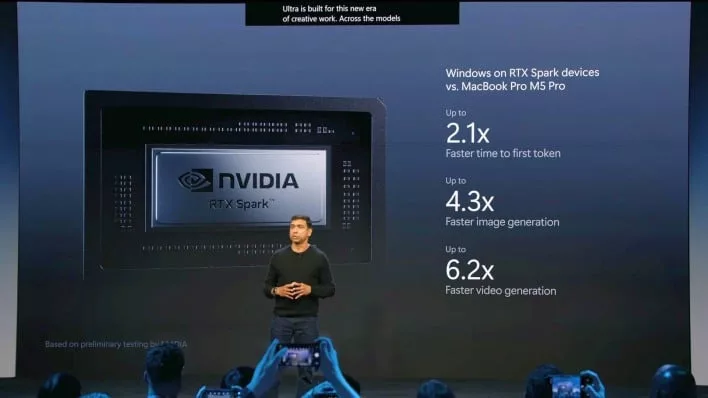
Microsoft and NVIDIA have moved from vision to execution regarding their Agentic AI strategy. At a recent event in San Francisco, the companies unveiled a comprehensive ecosystem centered around the new RTX Spark processor. This initiative aims to transform PCs into powerful workstations for local AI agent workflows, reducing reliance on cloud-based processing.
Hardware: Blackwell Architecture in a Consumer Form Factor
The primary technical highlight was the launch of the first wave of systems powered by RTX Spark processors. These are Arm-based SoCs that leverage interconnect technology from Grace Blackwell server processors and utilize the Blackwell graphics architecture found in RTX 50 Series GPUs. Essentially, this brings high-end server-grade interconnects to consumer-grade hardware.
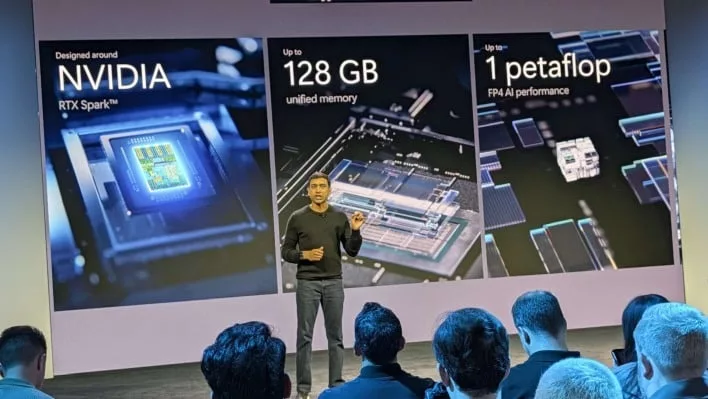
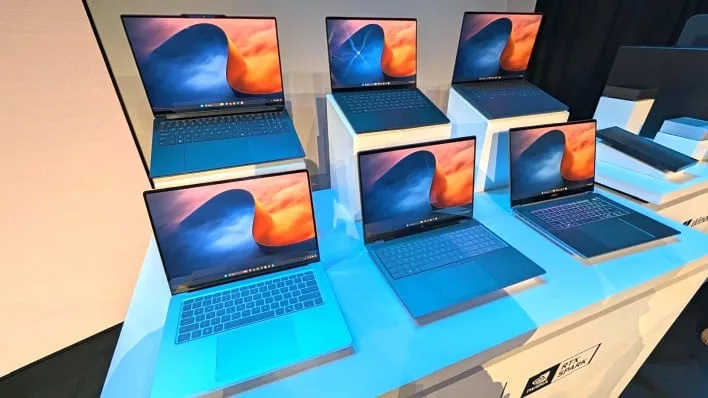
Leading the charge is the Surface Laptop Ultra, positioned as a direct competitor to the MacBook Pro. The device features a premium aesthetic, magnetic charging, and high-speed connectivity. The lineup offers several tiers:
- Base model: 18-core CPU, 40 SM GPU, 24GB unified RAM — starting at $2,599.
- High-end variant: 20-core CPU, 48 SM GPU, 128GB RAM — up to $5,899.
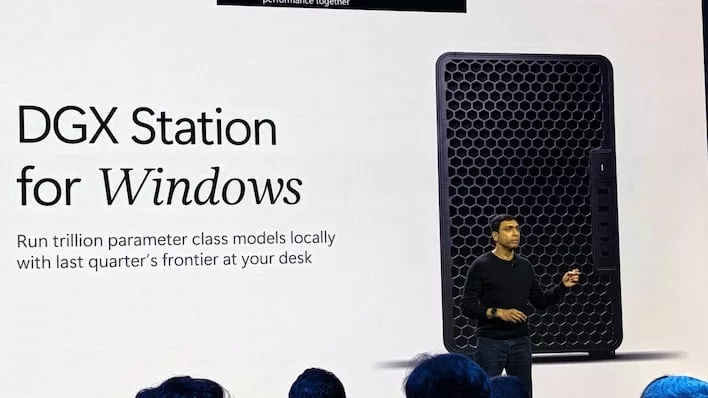
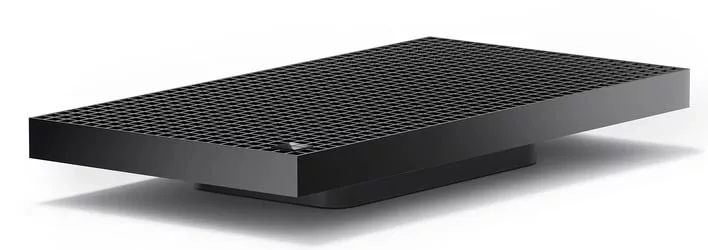
Beyond partner laptops from ASUS, Dell, HP, Lenovo, and MSI, Microsoft introduced specialized hardware: the Surface RTX Spark Dev Box ($5,999 for the 128GB RAM configuration) for developers, and the DGX Station for Windows, described as a deskside supercomputer.
Software Stack: Security and Local Context
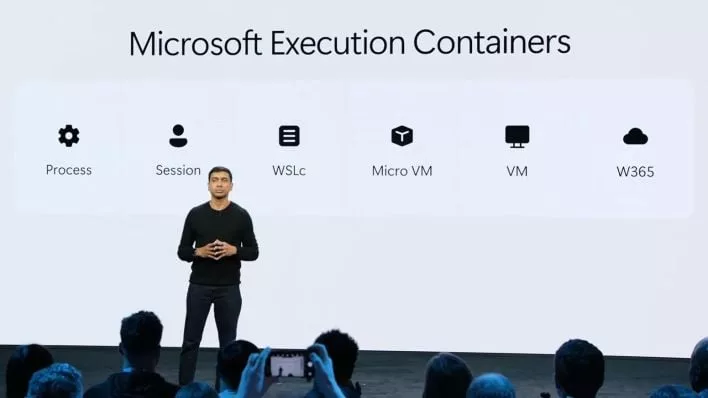
To ensure AI agents can work effectively on PCs without creating security threats, Microsoft is moving Microsoft Execution Containers (MXC) out of beta. This sandboxing layer limits agent access to local files and network resources. For the enterprise market, the Agent 365 control platform was featured, allowing IT admins to govern AI agents through integrations with Microsoft Entra, Defender, and Purview.
A major step toward localizing computation is the deeper integration of AI into Windows 11. Copilot will gain access to local context, local actions, and local models, allowing it to perform tasks even when the system is completely offline. Additionally, support for the llama.cpp framework is coming, alongside native integration for models from Meta, DeepSeek, and NVIDIA.
The first RTX Spark-based devices are available for pre-order now, with shipping scheduled to begin on October 16th, 2026.
Гика
