

Microsoft says Windows 11 is 20% more responsive
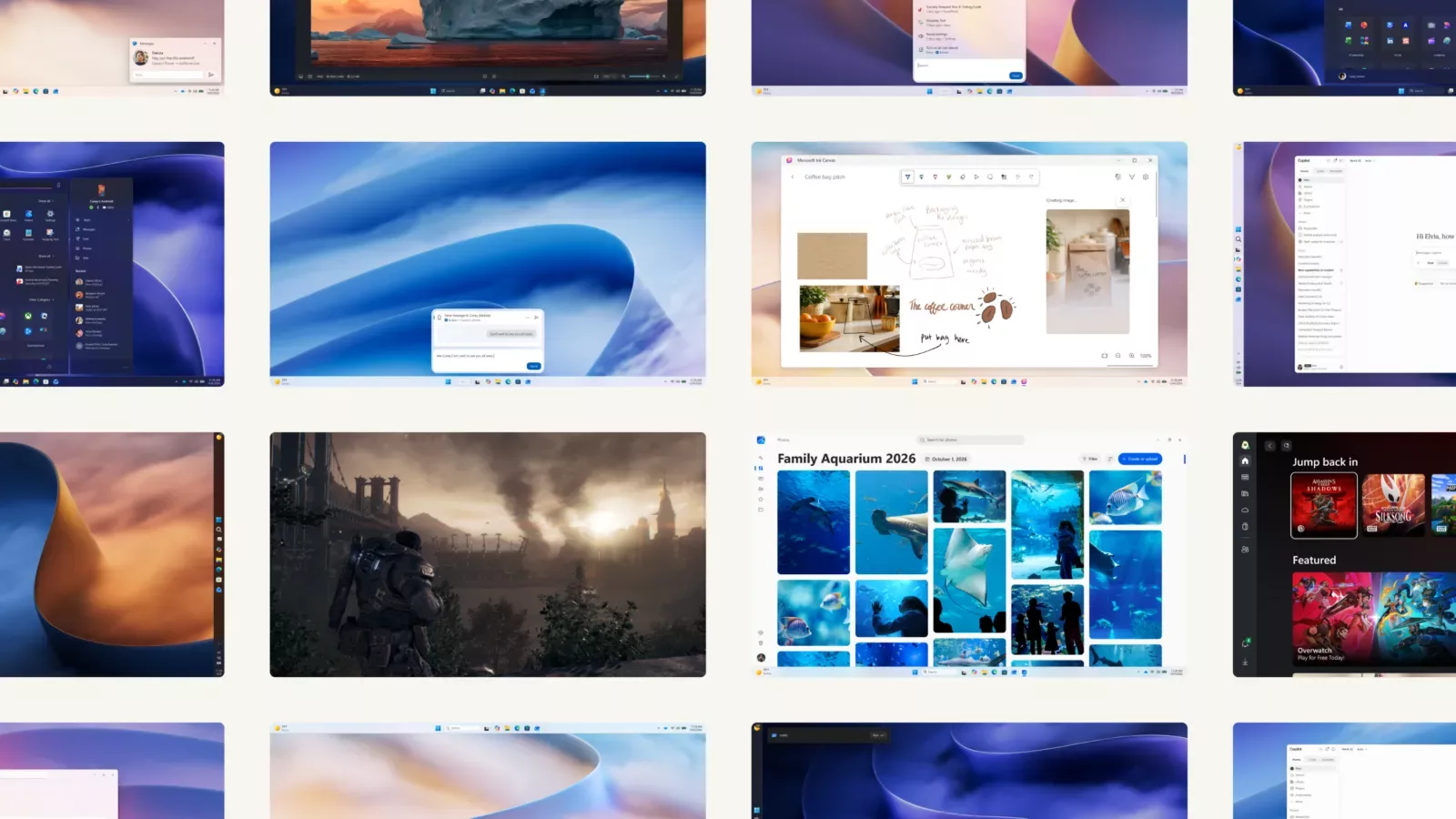
Microsoft has announced that Windows 11 is now up to 20% more responsive following a series of performance and memory management updates. These improvements are designed to reduce latency in core system components, with the most significant impact expected on PCs equipped with 8GB of RAM.
Memory management and Widgets optimization
The company's latest updates focus on reducing delays within the Start menu, File Explorer, Windows Search, Settings, and the Snipping Tool. It is important to note that the 20% figure refers to interface responsiveness rather than a 20% increase in overall system performance benchmarks.
A major part of this optimization involves how Windows 11 handles Widgets. On systems with 8GB of RAM or less, Widgets are now loaded only when a user actively opens them. Microsoft claims this change frees up over 200MB of memory for other applications. By improving memory management, the OS can keep up to 2GB more active data in the system RAM instead of swapping it to slower storage drives.
Additional system updates
Beyond memory efficiency, Microsoft is rolling out several functional improvements:
- Windows Update: updates aimed at reducing interruptions and required restarts.
- Taskbar: the ability to move the taskbar to the top or sides of the display is being brought back.
- Bluetooth: changes intended to reduce pairing times for AirPods by up to 15 seconds.
- Windows Search: a redesigned search experience, allowing users to adjust settings like dark mode or night light directly from results, is currently being tested by Windows Insiders and is slated for a wider release later this year.
The reported improvements were measured by comparing build 26300.9550 against build 26200.7628. Actual performance gains will vary depending on the specific hardware configuration and user workload.
Гика
