
What Makes Kusan: City of Wolves Stand Out
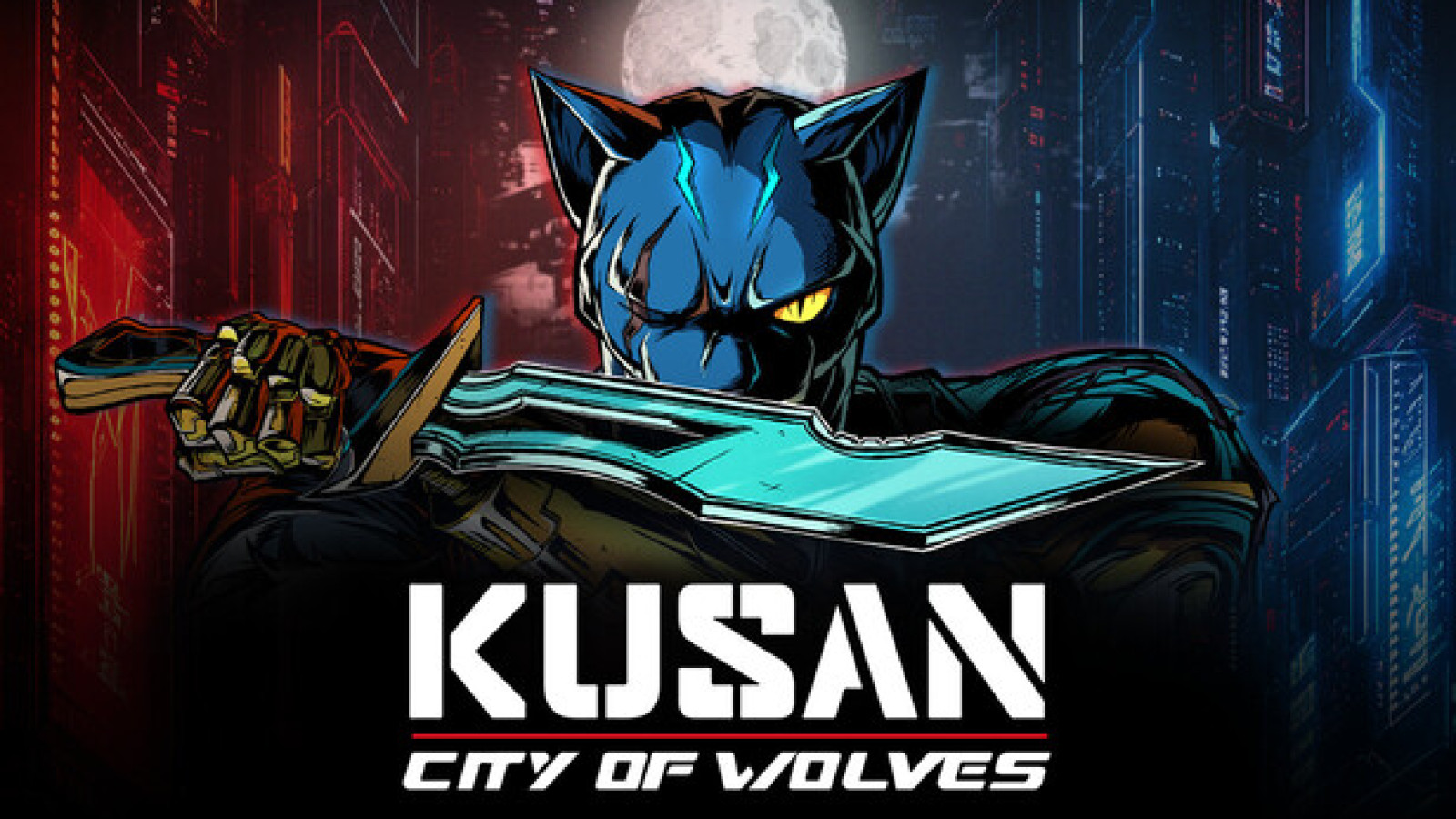
Kusan: City of Wolves launched on July 30, 2026. CIRCLEfromDOT builds its top-down shooter around short dangerous encounters, replay, and style scoring rather than an endless loot treadmill. Former soldier Jin returns to the violent city of Kusan to rescue Haru and stop a man who has seized a weapon of enormous power.
Combat That Demands Movement
The overhead camera exposes threats early, but it rarely provides a safe distance. Jin combines firearms, a blade, and close-range techniques; the system comes alive when the player switches between them quickly. Enemies apply pressure from several directions, making one piece of cover an unreliable plan.
Victory is only one part of the evaluation. Kill chains, pace, and varied actions contribute to a stage score, turning a familiar encounter into a route to refine. A mistake breaks the rhythm, while clean execution shortens the run and raises the result.
Why 54 Handcrafted Stages Matter
The studio lists 54 handcrafted stages. That choice matters in a game where repetition should build mastery: enemy positions, narrow passages, and entry points can be learned and then solved differently. The campaign reads as a sequence of compact combat problems rather than one stretched level.
Difficulty grows through combinations. A familiar enemy becomes more dangerous beside ranged support or inside a room with limited space to evade. The layout tests target priority as much as reaction speed.
Comics, Noir, and Music
Story scenes use stylized comic panels. The technique preserves the sharp cut between missions instead of stopping the action for long cinematics. Kusan itself is framed as a neon crime zone where Jin's personal objective collides with a wider contest for power.
The soundtrack comes from Loptimist. Hip-hop and electronic rhythms act as a combat metronome, reinforcing the acceleration of a successful chain and connecting a Korean urban identity to the game's arcade foundation.
Replay Without Random Maps
Hand-authored layout does not remove variation. Players change weapons, target order, and the level of risk accepted for a better score. Progress therefore exists both in unlocked options and in a clearer understanding of each room.
This structure suits short sessions: finish a stage, identify an error, and restart immediately. Across a full campaign, the larger question is whether enemy combinations keep those returns meaningful rather than mechanical.
Who City of Wolves Is For
Kusan speaks to players who enjoy Hotline Miami, Ghostrunner, and other action games where planning and execution matter more than an inventory count. It does not hide its demands: a fast restart is part of learning, and a high score requires a deliberately ambitious route.
The release has a precise identity—54 fixed challenges, a mixed combat toolkit, and style-based evaluation. Sources: CIRCLEfromDOT; PQube; Kusan: City of Wolves on Steam.
Редакция MBG
