

iPhone 18 Pro Max Storage: QLC NAND Could Mean Massive Write Speed Drops
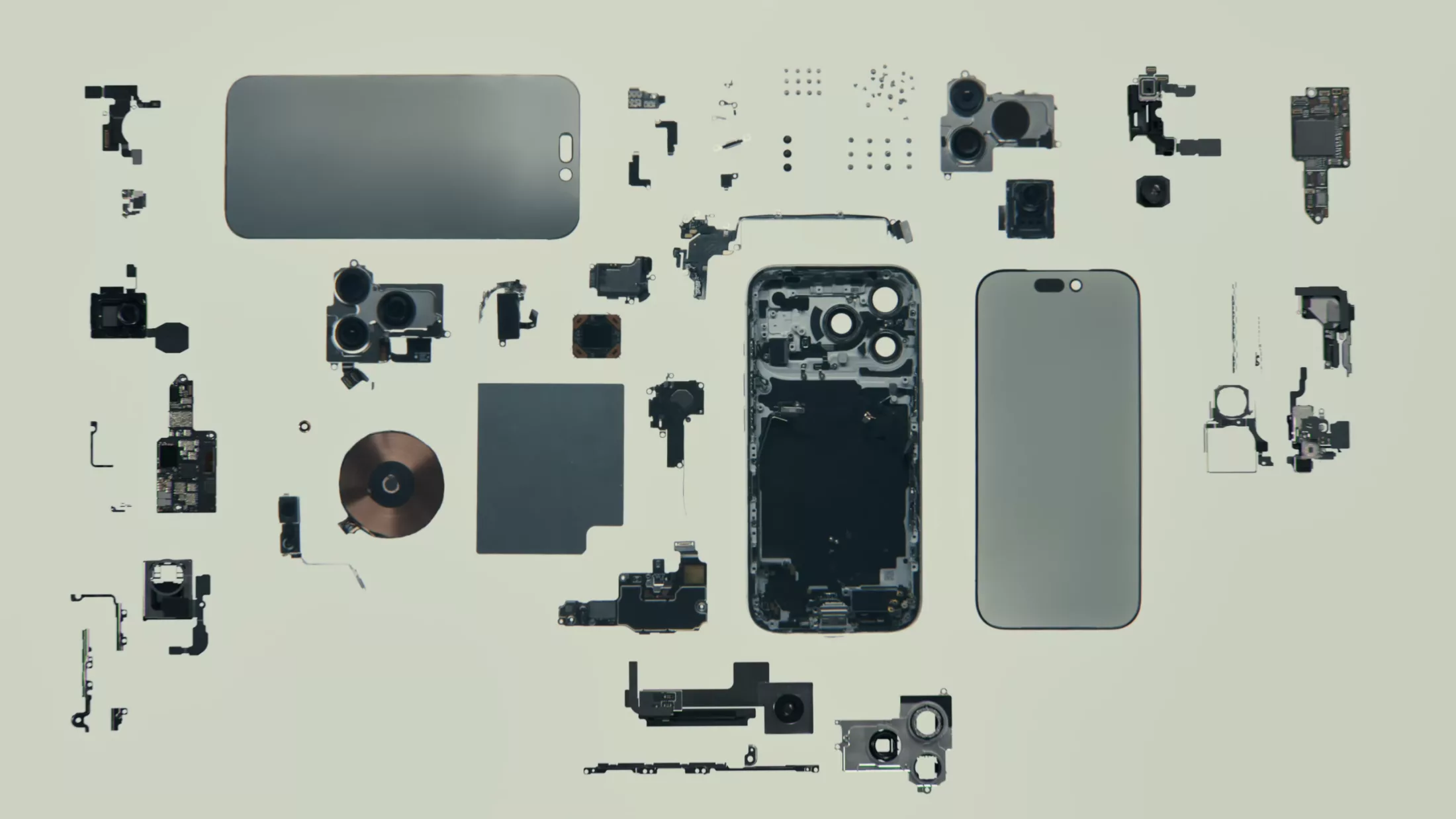
The upcoming iPhone 18 Pro Max might be facing a significant hardware compromise regarding its internal storage. Reports indicate a shift toward QLC NAND technology, a move that prioritizes higher storage capacities at the expense of sustained write performance.
The Performance Penalty of High Capacity
The most alarming detail emerging from recent reports is the potential for extreme performance degradation during heavy write operations. While the standard Pro models are expected to stick with TLC-based memory, the Max variant may see its write speeds plummet to as low as 1.1 MB/s. To put that in perspective, such speeds are more characteristic of legacy mechanical hard drives than a flagship smartphone.
This transition to QLC NAND in the iPhone 18 Pro Max could result in an estimated 38% drop in write performance compared to the TLC-based Pro models. While this architecture allows for higher density and potentially larger storage options within the same physical footprint, it introduces a bottleneck that could affect users performing intensive tasks, such as high-resolution video recording or large file transfers.
Capacity vs. Consistency
This move highlights a growing tension in mobile hardware: the trade-off between raw capacity and sustained performance. While Apple may aim to offer more storage tiers to satisfy power users, the underlying QLC technology might undermine the very experience those users demand. If these reports hold true, the distinction between the Pro and Pro Max will extend beyond screen real estate and camera specs, reaching down to the fundamental speed of the device's storage subsystem.
Зануда
