

HP, Asus and Acer Use CXMT Chips in Notebooks to Combat Memory Shortage
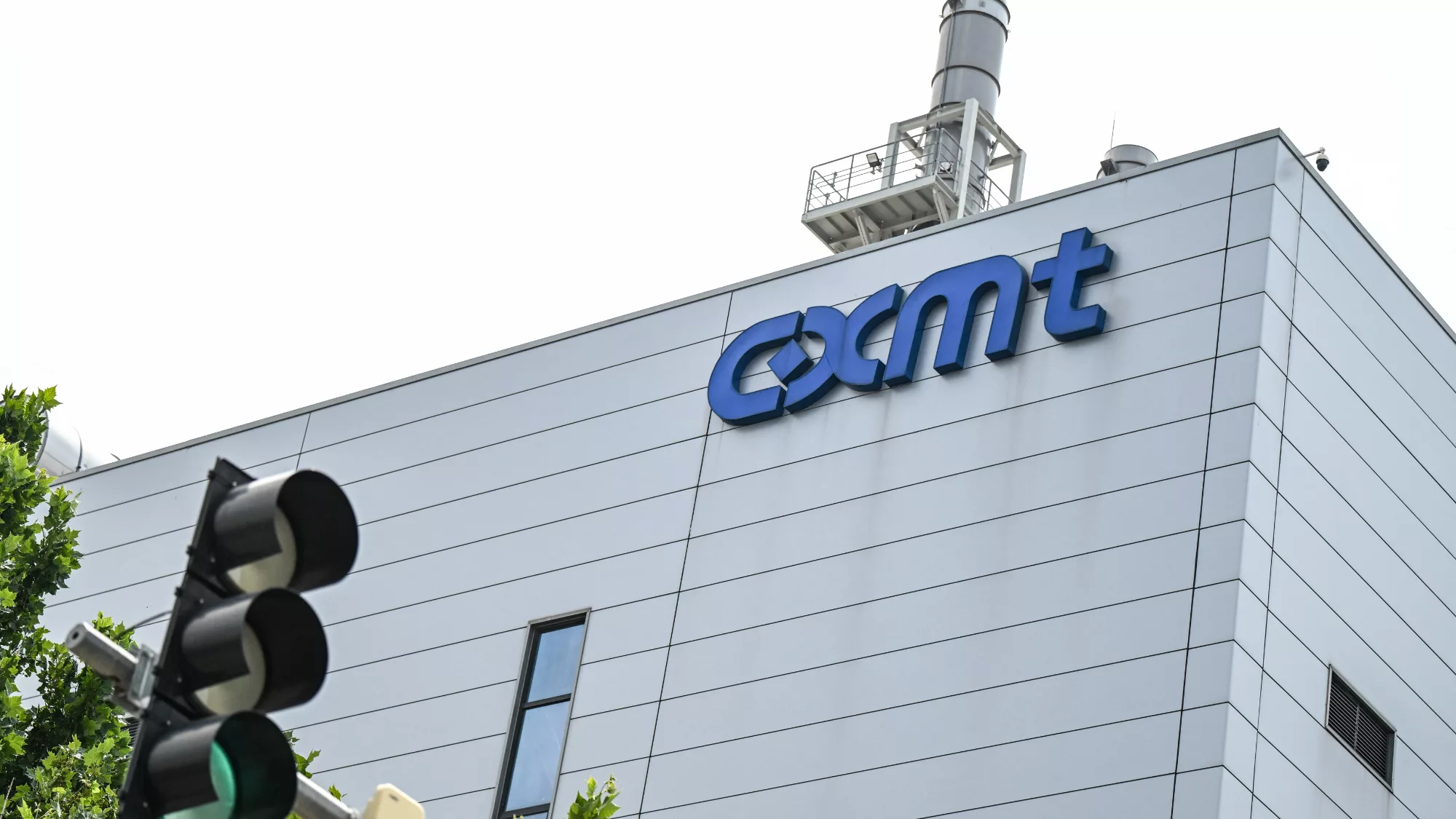
According to sources familiar with the matter, many major PC makers have recently completed the qualification process for CXMT DRAM and have begun using limited amounts in their notebook computers. The report specifies that these vendors are utilizing a "very limited" number of CXMT chips across an equally small number of notebook models, none of which are destined for the U.S. market.
This restraint is understandable given the geopolitical context: CXMT is listed by the Pentagon as having ties to China's military, and Washington lawmakers are reportedly lobbying to blacklist the company outright. Additionally, PC makers are being cautious not to upset the "big three" memory manufacturers—Micron, Samsung Electronics, and SK hynix.
Acer was the only company to respond to a request for comment, stating that while it does not disclose its suppliers, it maintains close contact with multiple global manufacturers to adjust operations dynamically to component price changes. Notably, Acer did not deny the report's claims.
The development marks a significant win for CXMT, which recently saw its share price leap by 466% following its IPO in Shanghai. The company indicated that the majority of its investment is focused on water lines and process upgrades for DRAM production rather than lucrative HBM needed for AI data centers. With memory supply constrained, Apple has reportedly been lobbying the U.S. government for permission to buy CXMT chips, hinting at strong demand for a fourth player in the market.
Ironically, Nikkei cites a source claiming that CXMT's memory pricing is not actually cheaper than the major players, stating, "Their DRAM is definitely no cheaper than the likes of Samsung." As such, reports of HP turning to CXMT may be driven purely by the need to secure additional supply rather than cost savings.
Гика
