GTA 6's pirate PC ports: new tools, old problem
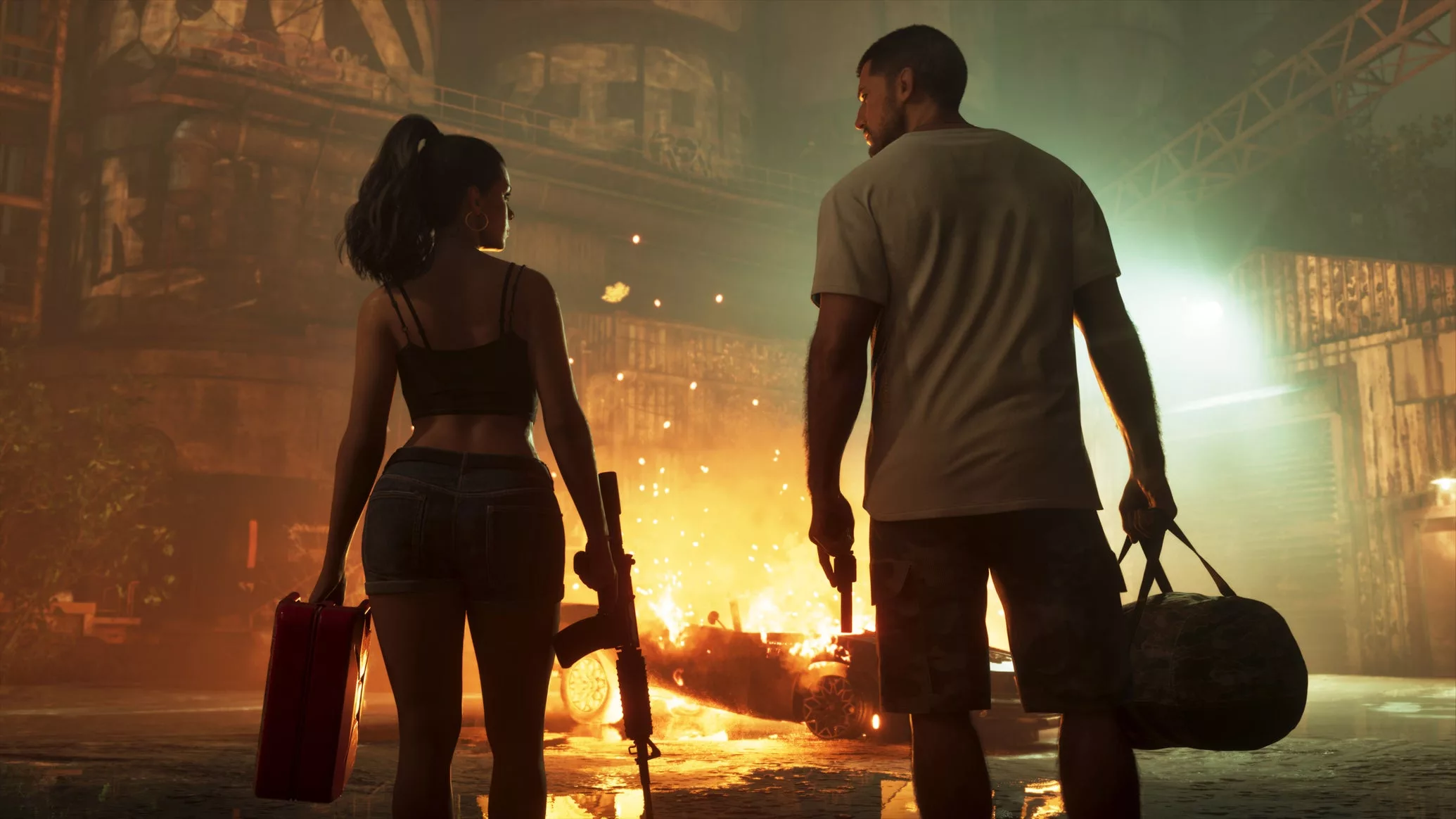
The scramble to bring Grand Theft Auto 6 to PC is already underway, driven by unauthorized efforts to recompile Xbox code into Windows applications. While Take-Two Interactive is actively fighting these projects, the emergence of sophisticated new tools suggests that the battle against pirate ports is shifting into a much more complex era for the entire gaming industry.
The launch of Grand Theft Auto 6 has triggered a massive, albeit unauthorized, technical race. Within a day of the game's release, files from an Xbox build began circulating online, leading to the creation of a project called Leonida on GitHub. The goal was ambitious: recompile the Xbox code into a native Windows application. The project gained rapid momentum, attracting nearly 180,000 members on Discord and spawning almost 3,000 forks of its code. However, the momentum hit a legal wall when GitHub enforced a DMCA notice from Take-Two Interactive against the network of 3,007 repositories, leading the project's creator—reportedly a 15-year-old—to abandon the effort.
The takedown, however, may have triggered the Streisand effect, drawing even more attention to the porting efforts. Copies of the Leonida code have already been migrated to other platforms, and several rival projects are continuing the work. At least one project claims to have achieved a bootable version of the game on Windows, though performance remains extremely low when exploring the game world.
A shift in the technical landscape
While the Leonida project relied on leaked files—making Take-Two's legal position straightforward—the underlying technology represents a broader, more systemic shift. The technical barrier to converting console games into PC versions has been significantly lowered. This isn't just about high-profile leaks; it's about the democratization of tools. We are seeing a wave of AI-driven, semi-automated 'decompilation' techniques being applied to brand-new releases, a trend that has already been observed in the retro gaming scene.
This phenomenon is not limited to massive blockbusters like GTA 6. As noted by Alex Nichiporchik of Tinybuild, the ease with which unauthorized ports can be created—such as the unauthorized mobile port of Graveyard Keeper—is a growing concern. While a giant like Rockstar Games can weather the commercial impact of such projects, the situation is far more precarious for smaller developers.
The risk to smaller developers
For smaller studios, a pirate PC port can be devastating. This is particularly true for games with long console exclusivity windows that were never intended for PC due to resource constraints, or titles where exclusivity deals were vital for funding development. A pirate version appearing on a platform where no legitimate purchase option exists can damage a game's reputation, disrupt its community, and undermine its eventual official launch on that platform. In some cases, developers have even had to deal with bug reports and negative reviews for versions of their games that they never actually produced.
The industry's response often focuses on aggressive anti-piracy measures—such as DRM, obfuscation, or even blockchain-based solutions—which frequently fail to curb piracy. Instead, these measures often create a better experience for pirates, who use versions stripped of cumbersome protections, while making the legitimate, paid version more prone to bugs and performance issues for paying customers.
Ultimately, piracy is often driven by convenience rather than a desire to avoid payment. The most effective way to combat this trend is to ensure that legitimate products are the most accessible and seamless versions available. This involves not only competitive pricing in different global markets but also ensuring that official PC releases arrive in a timely manner, closing the gap that unauthorized projects are so eager to exploit.