

Girls' Frontline 2: Exilium's latest patch introduces story that questions the nature of identity
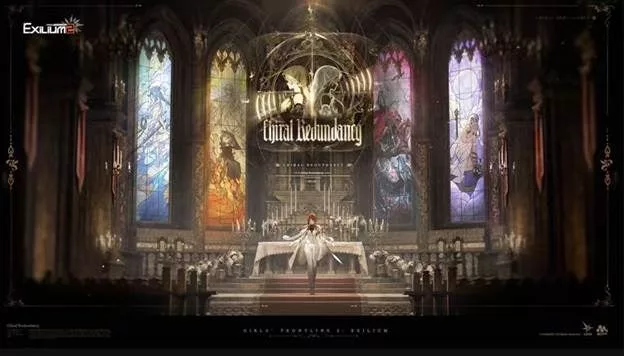
The latest patch for Girls' Frontline 2: Exilium, titled Chiral Redundancy, shifts the focus from tactical combat to a profound philosophical exploration of identity. By introducing a narrative conflict centered on the duplication of consciousness and memory, the developers at Sunborn Network Technology aim to transform sci-fi tropes into an emotionally resonant experience that challenges the very definition of what makes an individual "real."
The Dilemma of the Two Grozas
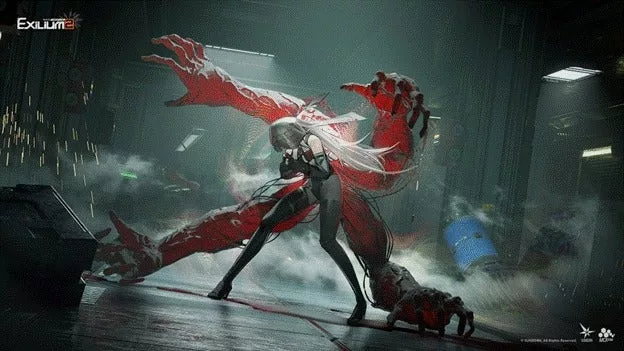
At the heart of the Chiral Redundancy update is a complex narrative knot involving the character Groza. In the launch story of Girls' Frontline 2: Exilium, Groza sacrificed herself to protect the Commander. However, the patch reveals that her original frame was not destroyed but was instead seized by the Conglomerate and modified into a third-generation Doll known as OTs-14, or Juno. Meanwhile, the Groza currently serving the Commander is a reconstruction built from a backup frame.
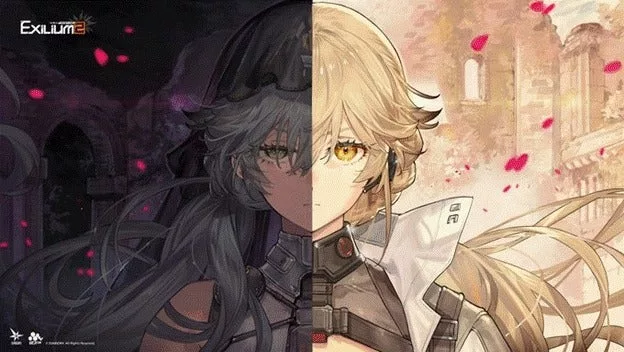
This setup creates a scenario where two distinct entities—one a heavily modified original and the other a reconstruction—both claim to be the true Groza. The story forces the Commander to confront a heavy decision regarding the nature of identity and whether both versions can coexist. According to the writing team, the goal was to ensure this return felt earned and grounded, providing a resolution that is both moving and bittersweet rather than a mere plot convenience.
The tension is further heightened by the differing emotional responses of the two characters. While both care for the Commander, their experiences have shaped their methods of connection: one fears that proximity will cause harm, while the other fears rejection and the possibility of being turned away. This psychological friction is intended to be a cornerstone of the Chiral Redundancy arc.
Narrative Foreshadowing and Community Feedback
The developers noted that the emotional weight of this arc was built through subtle clues planted in previous chapters. These include:
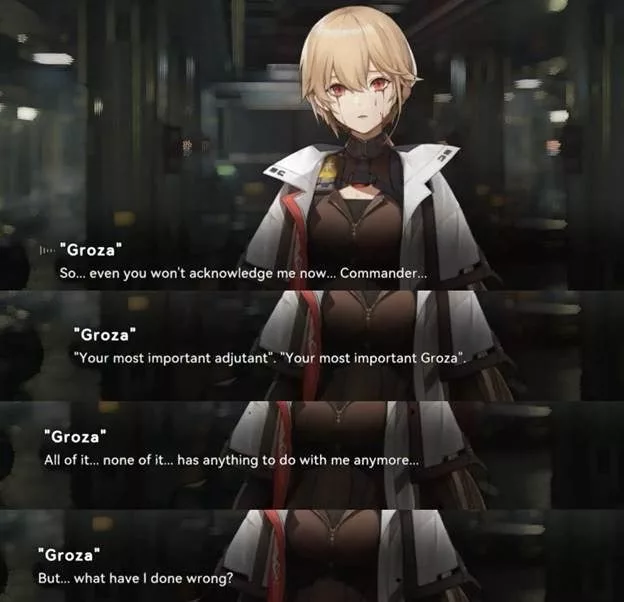
- The anomalies observed when Groza was reactivated in Story Campaign Chapter 5.
- Her lack of confidence while serving as the Commander's adjutant in Corposant.
- Her hesitation regarding the "red onion" in Dawnforger.
- Her emotional breakdown when the Commander was taken away.
These moments were designed to establish her underlying longing, her fear of destroying her bond with the Commander, and the pain stemming from her lost memories. By weaving these threads into the existing lore, the team aims to make the sudden appearance of OTs-14 feel like a natural, albeit devastating, progression of the story.
The decision to give OTs-14 such a prominent role is also a response to community sentiment. The developers emphasized that they actively monitor feedback from both domestic and international communities to understand what players want from the narrative. While the team follows a mantra of trusting the audience's perception of what is
Зануда
