

GeForce RTX turns 8: The legacy of Turing and the birth of Ray Tracing
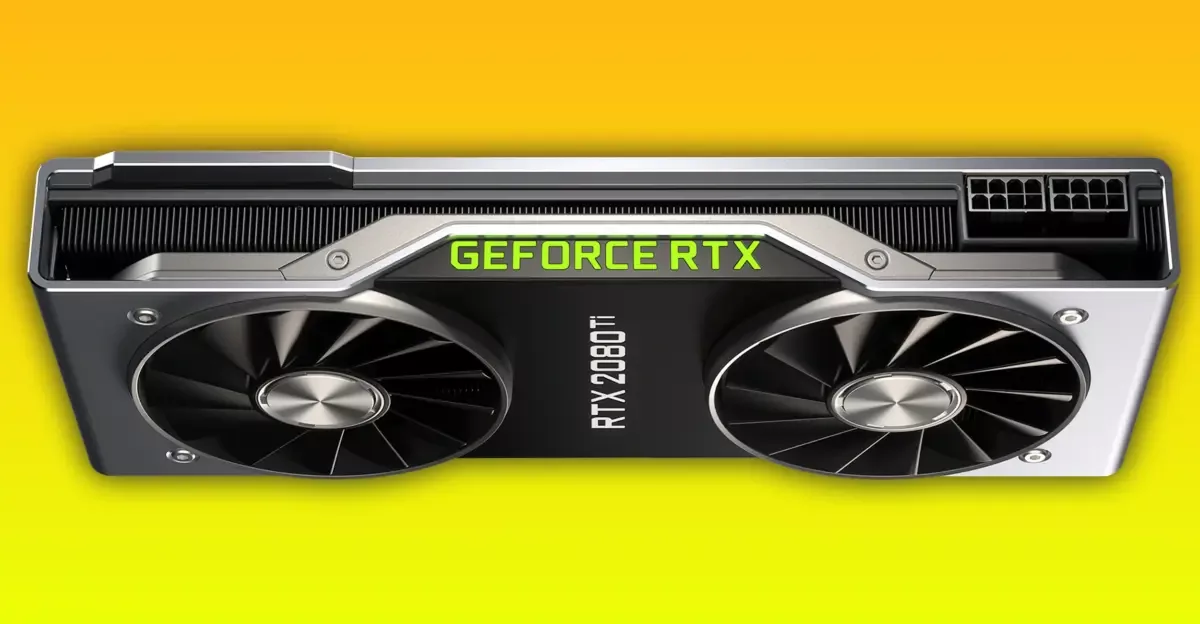
Eight years after the debut of the first GeForce RTX graphics cards, the Turing architecture remains the bedrock of modern gaming. On September 20, 2018, NVIDIA released the GeForce RTX 2080 Ti and RTX 2080, introducing dedicated hardware for ray tracing and AI workloads to the consumer market.
The Turing Era: RT Cores and Tensor Cores
The defining feature of the Turing architecture was the introduction of specialized hardware: RT Cores for real-time ray tracing and Tensor Cores for AI-driven tasks. At launch, NVIDIA rated the RTX 2080 Ti at 10 GigaRays/s and the RTX 2080 at 8 GigaRays/s. However, the practical application of ray tracing was limited at the start; only a handful of titles like Battlefield V, Control, and Metro Exodus offered early support. It took several months of developer adoption of DXR (DirectX Raytracing) for ray tracing to become a visible reality in many mainstream titles.
The Evolution of DLSS: From Softness to Standard
The Tensor Cores provided the essential hardware foundation for DLSS (Deep Learning Super Sampling). The first generation of DLSS, which relied on spatial reconstruction, was met with skepticism due to its tendency to produce softer images compared to native rendering. The turning point came with DLSS 2, which implemented a temporal reconstruction approach, significantly improving image clarity and performance. This technology has since evolved into a robust ecosystem including Frame Generation and Ray Reconstruction, with modders even finding ways to bring advanced features to older hardware.
Launch Specifications and Pricing
The 20-series launch was characterized by premium pricing. At the time of release, NVIDIA set the following MSRPs:
- GeForce RTX 2080 Ti: starting at $999 ($1,199 for Founders Edition), featuring 11 GB GDDR6, a 352-bit bus, and 4,352 CUDA cores.
- GeForce RTX 2080: starting at $699 ($799 for Founders Edition), featuring 8 GB GDDR6, a 256-bit bus, and 2,944 CUDA cores.
While the
Гика
