

AMD adds GDDR7 support to Linux driver
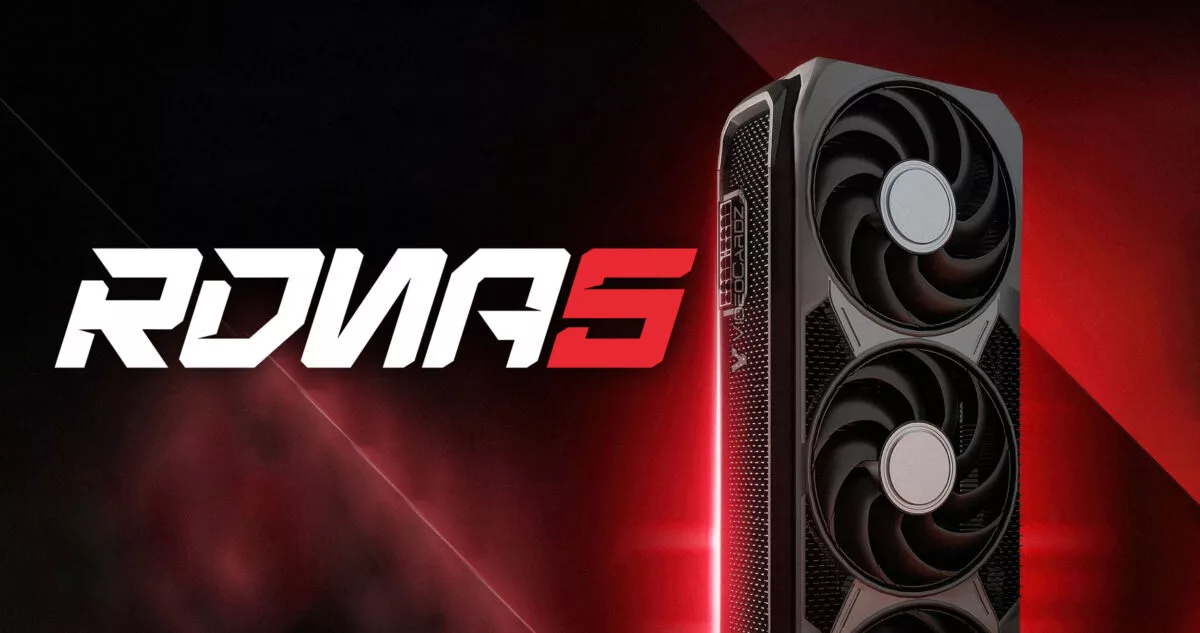
The open-source amdgpu driver for Linux is getting ready for the next generation of memory standards. A recent patch has officially added GDDR7 to the list of VRAM types recognized by the driver.
Preparing for next-gen memory
The update is a targeted addition to the software stack: AMD engineer Frank Min added the “GDDR7” identifier to amdgpu_vram_names, placing it alongside GDDR6, HBM3E, and HBM4. The patch was submitted by AMDGPU maintainer Alex Deucher and reviewed by Hawking Zhang.
While AMD has not explicitly linked this change to a specific architecture, it points toward future hardware. Current Radeon RX 9000 cards based on the RDNA 4 architecture rely on GDDR6, whereas NVIDIA has already transitioned its desktop GeForce RTX 50 series to GDDR7. This move suggests that AMD is aligning its driver stack with upcoming hardware capabilities.
Hardware enablement and IP blocks
The GDDR7 update arrived alongside other hardware enablement work. The driver is also seeing support for IH 8.0 (a new revision of the Interrupt Handler block) and NBIF 7.10 (a new version of the New Bus InterFace). Additionally, work on Display Core Next 6 (DCN 6) is progressing, with changes already appearing in the Linux 7.3 and 7.4 driver development branches.
At this stage, official memory specifications for AMD's next-generation GPUs remain unannounced. While leaks have frequently associated GDDR7 with the RDNA 5 architecture, the company has yet to confirm the exact memory configurations for its future lineup.
Гика
