

Former EVGA manager says NVIDIA pricing rules forced some GeForce cards to be sold at a loss
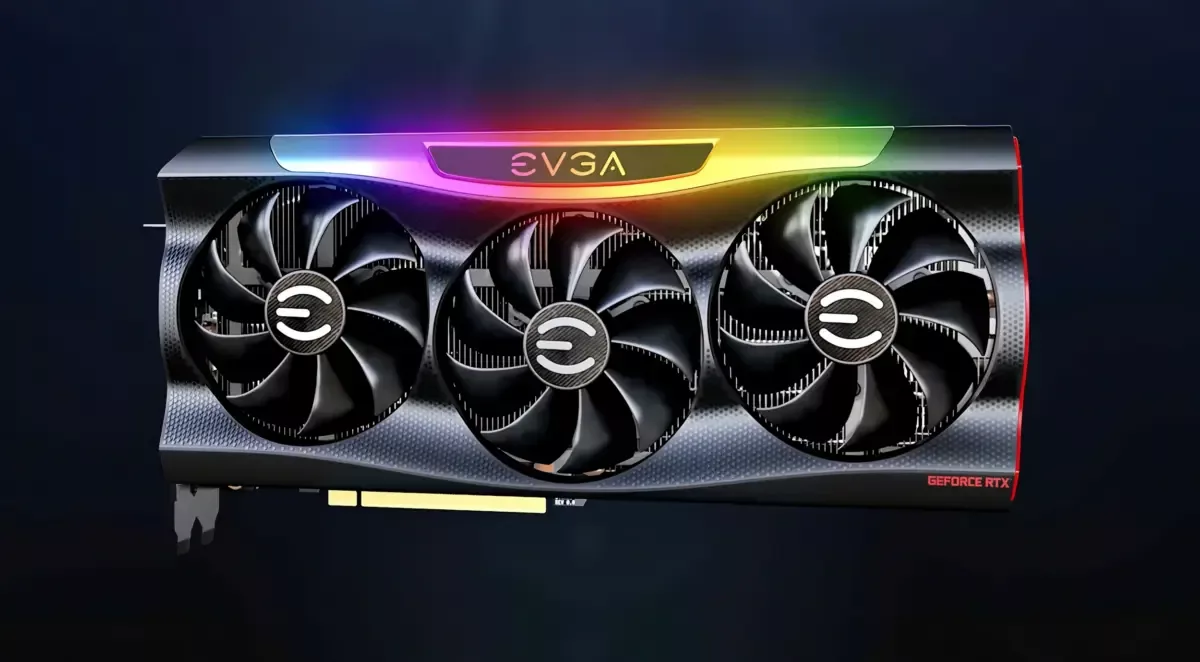
Former EVGA product manager Brendon Ray Hedrick has shared insights into the company's operations between 2016 and 2019. He claims that NVIDIA's pricing mandates forced EVGA to offer certain GeForce models at prices that did not cover production costs, a move intended to secure the company's continued allocation of GPUs.
The 'Loss Leader' Strategy
According to Hedrick, EVGA operated under the understanding that they were required to offer at least one model at NVIDIA's advertised starting price. Failure to do so could result in a reduction of GPU supplies from NVIDIA. To maintain their access to essential chips, EVGA had to maintain a "loss leader"—a card sold at a loss to keep the supplier satisfied.
These low-priced models reportedly sold out almost immediately. This left consumers with the choice of more expensive EVGA models, which featured custom circuit boards and advanced cooling solutions. However, because these premium cards had to carry enough margin to offset the losses from the entry-level models, their price tags often appeared significantly higher to customers comparing them to the base MSRP.
Competing with the Supplier
The business environment became increasingly complex as NVIDIA expanded its own Founders Edition business. This meant that NVIDIA was not only EVGA's primary component supplier but also a direct competitor selling finished graphics cards to the same customer base. Hedrick noted that while he could not confirm if NVIDIA intended to push partners out of the market, the room for EVGA to operate was steadily shrinking.
EVGA eventually exited the graphics card market in 2022 following the termination of its partnership with NVIDIA. Hedrick's account covers the period of the Pascal and early RTX architectures, prior to the company's final departure from the GPU industry.
Гика
