
Flamecraft on PS5: Turning a Shared Board-Game Economy into Cozy Strategy
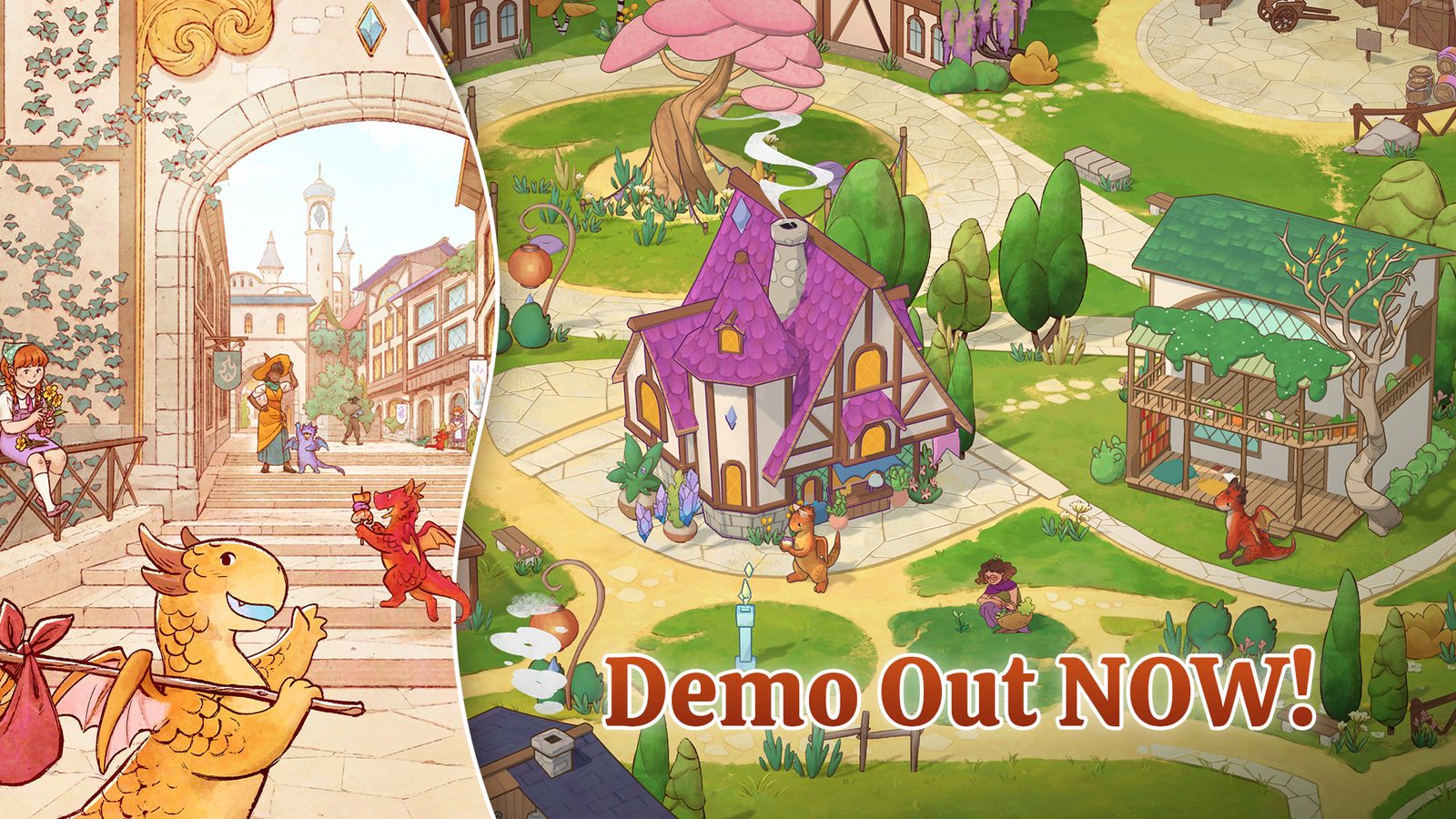
Monster Couch released a Flamecraft demo for PlayStation 5 on July 28 and plans to launch the full game later in 2026. This digital tabletop adaptation gives every player a personal Reputation score while making the town itself a shared engine.
A Shared Town Instead of a Private Base
Flamecraft’s central idea is that every shop can be used by every player. Placing Artisan Dragons in suitable shops creates resources and improves the common system. A productive action therefore tends to help the next Flamekeeper who visits the same location.
A move cannot be judged only by its immediate income. Turn order, opposing resource pools, and the chance to exploit a new combination first all matter. The warm presentation conceals an economic game built around distributing value.
What Happens During a Turn
A Flamekeeper either visits a shop to gather resources or enchants it with a magical artifact. Enchanting fires up the dragons working there and connects their effects into a sequence. A carefully prepared shop makes one action carry much more value.
Fancy Dragons provide unique powers and scoring opportunities. They point a strategy in a direction rather than replacing the shared economy: one plan may emphasize repeated enchantments while another pursues particular shops and personal scoring conditions.
Solo, Local, and Online Modes
The full game supports solo play, local matches, and online play. Up to five people can share one console, with bots filling seats when needed. Online options include Short Matchmaking, Long Matchmaking, and Custom Online Games.
Solo achievements unlock pieces of a story about building a lighthouse that can guide Artisan Dragons from distant lands. That provides continuity between sessions, while the changing setup keeps the match structure replayable.
What the Demo Can Establish
The demo contains a selection of shops, Artisan and Fancy Dragons, bots at three difficulty levels, and local multiplayer for up to five players. An interactive tutorial introduces the role of a Flamekeeper and the basic action sequence.
That is enough to assess television readability, turn length, and single-console group play. The developer does not present the demo as the full card, shop, or story set.
Why the Design Fits a Console
The digital edition handles setup, resource accounting, and card effects. That matters in a shared engine because the interface can reveal legal actions and prevent mandatory effects from being overlooked.
Automation does not remove the decisions. Players must still decide who benefits from a new shop and when a powerful enchantment should be delayed.
For a five-player local match, handoff speed will be decisive. Short animations and clear prompts could make the digital game faster than the tabletop version, and the demo provides a way to test that balance before buying.
Flamecraft does not turn the board game into direct dragon control. It keeps the turn-based structure and concentrates on making the shared economy readable. Sources: PlayStation Blog; Monster Couch.
What to Watch in the Full Release
The key launch question is not the number of decorative details but the variety of starting setups and viable Reputation paths. The less often one combination becomes mandatory, the longer the shared economy can remain interesting for a regular group.
Аналитика MBG
