
Flamenco Rhythms and Family Themes: Inside Fire Emblem: Fortune's Weave
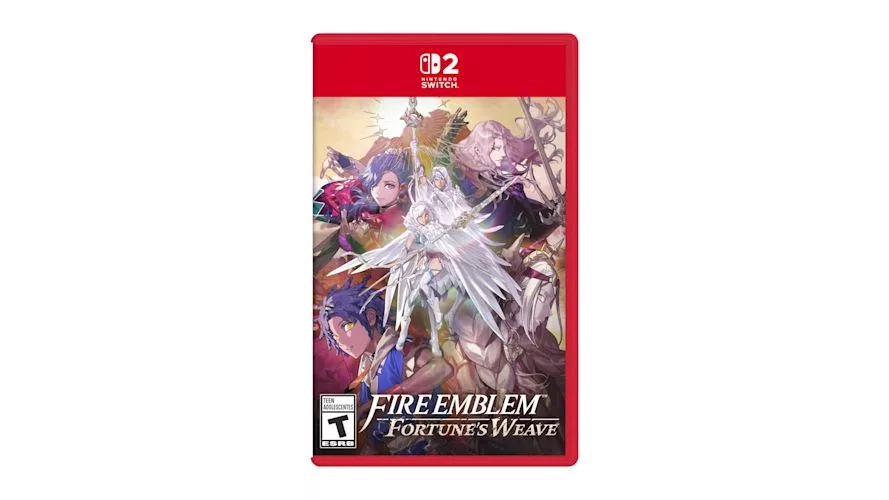
In the third installment of the Ask the Developer interview series, the team behind Fire Emblem: Fortune's Weave shared deeper insights into the game's creative direction. A Nintendo Switch 2 exclusive set to launch on September 17, 2026, the title aims to offer a starkly different experience from its predecessors through its unique musical and visual identity.
Ancient Atmosphere and Flamenco Influence
A primary goal for the development team was to drastically shift the tone from Fire Emblem: Three Houses. To capture the essence of the ancient Mediterranean-inspired continent of Dagda, sound director Kanazaki incorporated flamenco elements into the score. By emphasizing hand claps and percussion, the music aims to convey the raw vitality and rugged energy of the world's inhabitants.
The musical composition is also deeply intertwined with the narrative structure. Each protagonist is assigned a specific thematic musical phrase. When the characters' journeys converge, these individual themes weave together into a unified arrangement, a detail the developers encourage players to listen for closely.
Character Design and Next-Gen Visuals
Character designs were handled by Chinatsu Kurahana, who also contributed to Fire Emblem: Three Houses. While the setting has shifted, the visual language remains connected to the same world. The designs reflect the diverse climates and social structures of Dagda, ranging from the simple attire of villagers to the ornate, lavish clothing of prosperous trading factions.
The transition to Nintendo Switch 2 hardware played a significant role in the artistic process. The increased graphical fidelity allowed the design team to push the boundaries of visual detail, creating more intricate and high-fidelity character models than ever before in the series.
Narrative: Instincts and the Concept of Family
Moving away from the traditional tropes of noble-born heroes, Fortune's Weave features a more diverse cast of protagonists. The central narrative pillar is the theme of family, explored through various lenses: growth, surrogate connections, the weight of leadership, and the drive for revenge.
The developers emphasized a nuanced approach to morality, moving away from a simple binary of good versus evil. Instead, characters are driven by instincts and personal perspectives, making them more relatable and complex. This approach ensures that even characters who appear unlikable initially can develop into compelling allies as their personal struggles are revealed through the story.
Флешка
