
DLSS 5 mod brings next-gen tech to old Ampere GPUs but frame rates tank
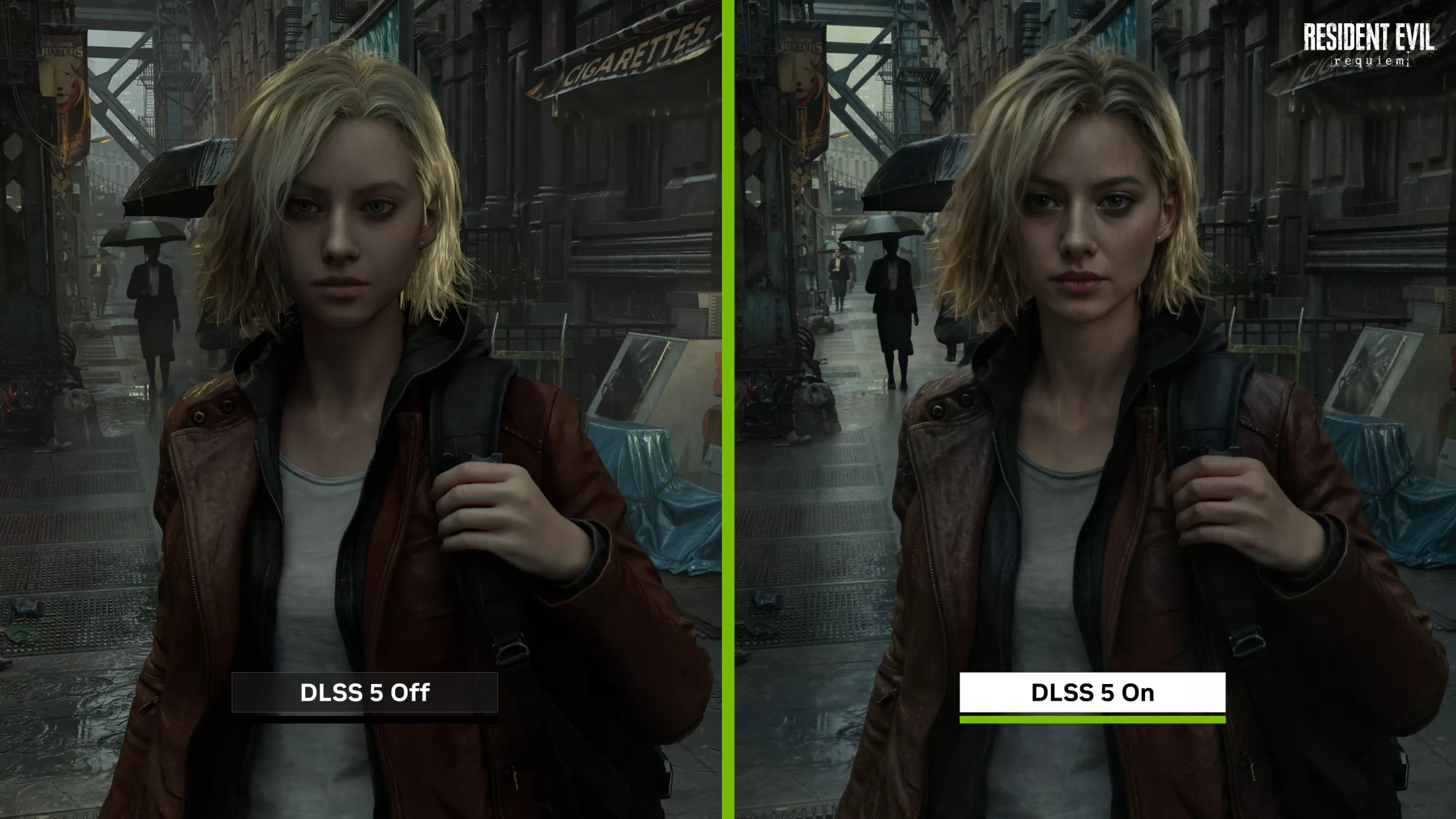
Nvidia's upcoming DLSS 5 neural rendering technology has leaked via a pre-release DLL found inside the early access build of NBA 2K27. While modders have successfully patched this DLL to work on older hardware, bringing next-gen AI upscaling to legacy cards, the practical results are mixed at best. The community is currently testing the technology on everything from high-end RTX 50-series GPUs down to aging Ampere architecture, revealing a stark divide between visual fidelity and performance stability.
The initial excitement surrounding DLSS 5 stems from its ability to deliver photorealistic imagery that surpasses native rendering in certain scenarios. Early tests conducted by enthusiasts show that the technology can indeed produce images with a level of detail and realism that looks noticeably different—and arguably better—than standard rasterization. However, this visual gain comes at a significant cost to frame pacing. The current implementation introduces an "insane latency penalty," where the time it takes to render each frame is now heavily dependent on neural processing rather than traditional GPU throughput.
Performance metrics are particularly concerning for users hoping to revive older hardware. On RTX 30-series (Ampere) GPUs, which represent a significant portion of the current market, the technology causes frame rates to "tank" in almost every tested case. In worst-case scenarios, frametimes can multiply by ten compared to native rendering or previous DLSS versions. This means that while the image might look sharper, the experience becomes unplayable for most titles, dropping into single-digit FPS territory where stuttering and input lag become severe issues.
Even on high-end hardware like the RTX 50-series, the situation is not a clear victory. While these cards can manage to hit up to 40 FPS in some specific cases, this comes at the cost of base visual fidelity. Users report that to achieve acceptable frame rates with DLSS 5 enabled on these powerful chips, they must turn in-game settings all the way down. This creates a difficult balancing act where users are forced to sacrifice quality to maintain smoothness, negating the primary benefit of using high-end hardware.
The technical root of the problem lies in how the neural rendering is integrated into the game loop. Instead of being an optional post-processing step that runs efficiently alongside standard rendering, the current leaked build appears to make frame pacing exclusively dependent on the speed of the AI inference engine. This architectural shift explains why performance tanks so drastically; the GPU spends a disproportionate amount of time waiting for the neural network to process frames before they can be displayed.
Community feedback highlights the polarization around this technology. Some users describe the output as "fake" and plagued by artifacts, while others argue that the visual evolution is worth the performance hit. However, the consensus among those who have tested it extensively suggests that the current state of DLSS 5 is not ready for general adoption. The trade-off between achieving a photorealistic look and maintaining playable frame rates remains too steep for most gamers.
It is important to note that these results are based on leaked DLLs from an early access build of NBA 2K27. Official releases often undergo significant optimization, but the fundamental architectural challenges seen here—such as the heavy reliance on neural rendering for frame pacing—are likely to persist until Nvidia refines their approach. For now, owners of older Ampere GPUs should be cautious about expecting a performance boost from this technology, and even RTX 50-series users may find themselves needing to revert to DLSS 4.5 or native rendering for the best experience.
The discussion in forums also touches on the broader implications for GPU longevity. If next-gen features like DLSS 5 require such drastic sacrifices in performance or visual quality on older hardware, it raises questions about how quickly manufacturers will move away from supporting legacy architectures. The sentiment is mixed: while the technology represents a step forward in AI rendering, its current implementation feels more like a proof of concept than a polished product ready for the masses.
Гика
