

At least three exhibitors robbed at Gamescom 2026 with unfinished game builds stolen
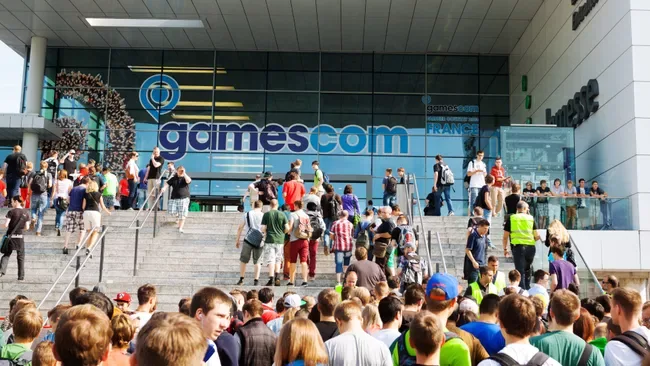
At least three exhibitors at Gamescom 2026 in Cologne, Germany, have confirmed that their booths were targeted by thieves, resulting in the theft of laptops and handheld gaming devices containing unfinished game builds. The incident has left indie developers and publishers reeling, not just from the financial loss of hardware, but from the potential exposure of unreleased software.
According to reports from Video Games Chronicle (VGC), the thefts occurred during the week of the exhibition in August 2026. The victims include Mimic, whose developer Ryan Laley lost all his laptops from his booth; publisher iam8bit, which reported two missing laptops; and Tessera Studios, which had two laptops and a Steam Deck stolen from its cabinet. While the physical equipment represents a significant financial setback, particularly for smaller indie creators, the primary concern lies with the data stored on these machines.
The locations of the affected booths provide some context to the modus operandi. Mimic and iam8bit shared a booth in Hall 4.1, situated next to the west entrance gate, making them easy targets for opportunistic thieves looking for a quick score. In contrast, Tessera Studios was located in Hall 10.2, quite far from the other two incidents, suggesting that these were not necessarily coordinated attacks but rather isolated events targeting high-value portable hardware left unattended.
The developer of Mimic, Ryan Laley, expressed his devastation on social media, stating that his Gamescom experience was cut short and that he felt defeated. He noted that while police reports have been filed, the emotional toll is immense. The loss extends beyond the cost of the laptops themselves; it includes the potential leakage of unreleased game builds. For developers, a copy of their work being out in the wild could be catastrophic, potentially ruining marketing plans or revealing unfinished mechanics to the public prematurely.
Industry observers note that while external SSDs often serve as backup copies, relying solely on them is not foolproof against physical theft. The fact that a working build exists on stolen hardware means that the software itself has been compromised. This scenario highlights the inherent risks of showcasing unreleased titles at large public events like Gamescom, where security measures must be robust enough to protect both hardware and intellectual property.
Comments from readers suggest this is not an isolated incident in the gaming industry's history. Some users noted that similar thefts have occurred previously, with thieves hoping to find valuable assets on the equipment. Others pointed out that reporting such incidents can sometimes be discouraged by event organizers or local authorities to avoid negative publicity for the city of Cologne or the Gamescom brand itself. This reluctance to publicize security failures may inadvertently encourage further criminal activity.
Security experts and attendees have raised questions about the adequacy of current protective measures. While locked cabinets are standard, they are not impenetrable if left unmonitored for extended periods. The use of cable locks is often recommended as an additional layer of security, ensuring that even if a device is removed from its cabinet, it cannot be easily walked away with. However, in the chaotic environment of a major trade show, such precautions can sometimes be overlooked or deemed insufficient by exhibitors.
The aftermath of these thefts will likely involve significant financial and reputational damage for the affected companies. For Mimic, iam8bit, and Tessera Studios, the road to recovery will involve replacing hardware, securing backups, and managing the fallout from any potential data leaks. The incident serves as a stark reminder of the vulnerabilities faced by developers at large-scale events and underscores the need for enhanced security protocols in the future.
As Gamescom 2026 continues, other exhibitors remain vigilant. The community is watching to see if further incidents occur or if these were indeed isolated breaches. For now, the focus remains on supporting the affected developers and ensuring that their creative work does not suffer irreversible damage from this unfortunate turn of events.
Гика
