

Developers need to treat Early Access like a real launch
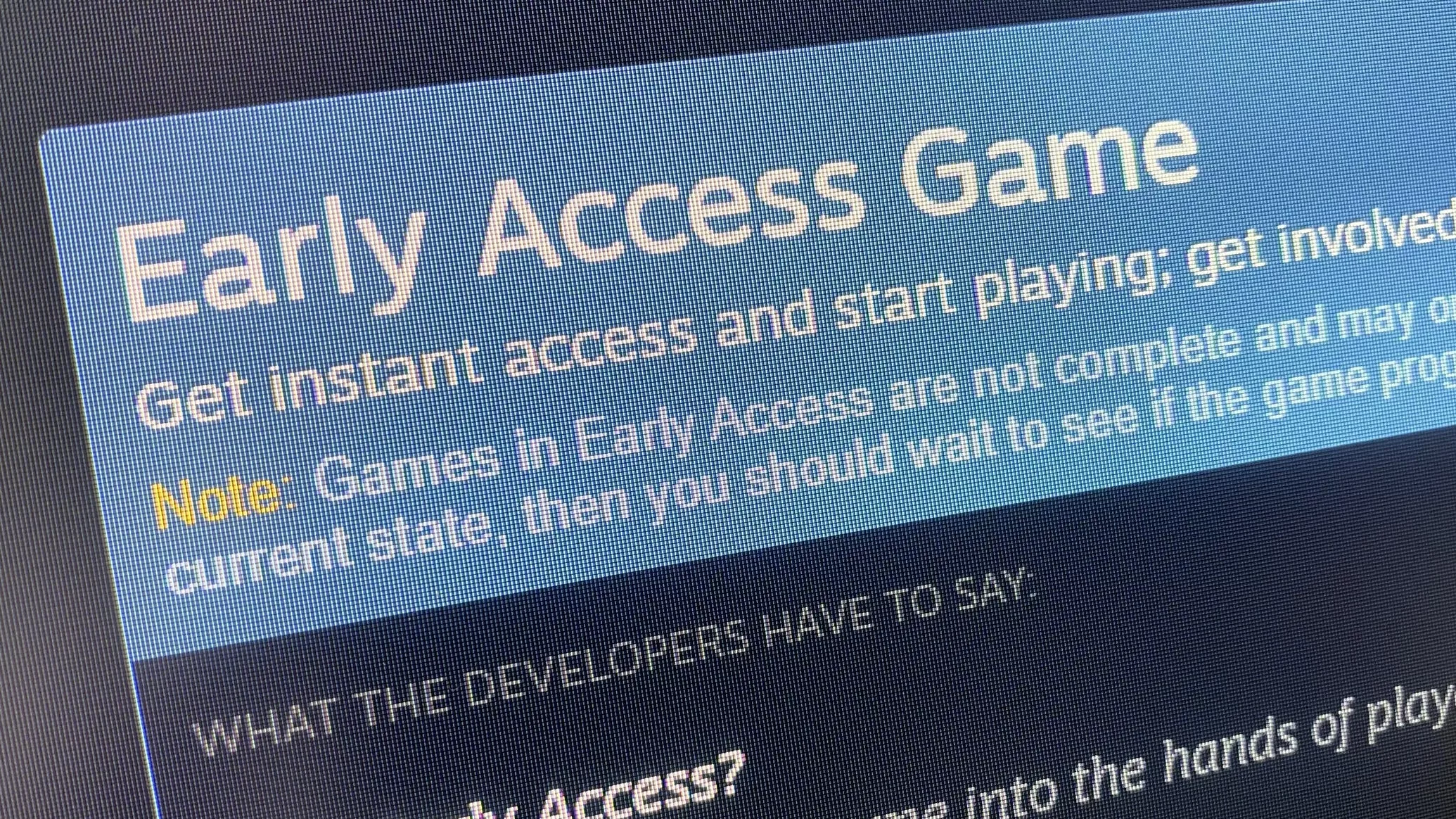
The Early Access program on Steam has evolved from a niche tool for indie developers into a massive market force. According to SteamDB, 2,924 Early Access games launched on Valve's platform in 2026 (as of mid-October)—an 18% increase from 2025 and a 60% surge compared to 2020. The share of Early Access titles in total annual Steam releases has climbed to 13.7% in 2026.
However, this growth brings heightened scrutiny. As reported by GameDiscoverCo, only 21% of Steam Early Access graduates earn more in their first 30 days after a 1.0 release than they did during their Early Access period. This makes the transition to a full launch a high-stakes moment that requires meticulous preparation.
Rising Standards and the AAA Influence
The Early Access landscape is becoming increasingly complex. Anthony Gallegos, creative director of Subnautica 2, notes that the program now spans a spectrum from long-term open development to a paid beta soft launch used to soften player expectations. This creates a confusing landscape where players may not always understand the nature of the product they are buying.
The situation is further complicated by the entry of major publishers. Denis Dyack, CEO of Apocalypse Studios, argues that AAA publishers are using Early Access as a marketing beat, releasing polished products to rake in cash. This skews player expectations, leading them to demand near-perfect games from smaller indie teams, which effectively defeats the collaborative purpose of the Early Access model.
Developers from Kinetic Games (Phasmophobia) and Paralives emphasize that the quality bar for Early Access is higher than ever. It is no longer enough to simply release a game; it must be technically stable and have a clear concept from the start.
Funding and Feedback: The Key to Success
Despite these challenges, Early Access remains a vital boon for many. Richard Svensson of Iron Gate admits that without this model, Valheim would never have achieved its massive success, as it allowed the team to work with a live community. Similar success stories include Subnautica and Hades from Supergiant Games, where Early Access allowed developers to experiment with content and scale their vision based on real player feedback.
For small teams, it is also a matter of financial security. Alex Massé of Paralives explains that Early Access provided the necessary funds to build a studio and collect a vast amount of feedback, helping them compete in a market dominated by giants like The Sims 4.
Risks and Lessons: When Things Go Wrong
Early Access also carries the risk of getting lost in community feedback. Alex Massé warns that it can be overwhelming to balance requests for new content with the need to fix existing mechanics. Daniel Knight from Kinetic Games advises that while developers should have a plan, they must also be willing to change it in response to player input.
The experience of Apocalypse Studios with Deadhaus Sonata served as a sobering lesson. Facing backlash over performance issues and bugs, the studio had to undergo significant restructuring and team changes. However, the developers believe that receiving harsh feedback during Early Access is far better than facing a disastrous full release.
The ultimate takeaway for modern developers is to treat Early Access as a real launch. Performance, quality, and building trust with the audience are essential to surviving in this evolving landscape.
Флешка
