
Clutchain CS2 Project Collapses Amid Unpaid Salaries
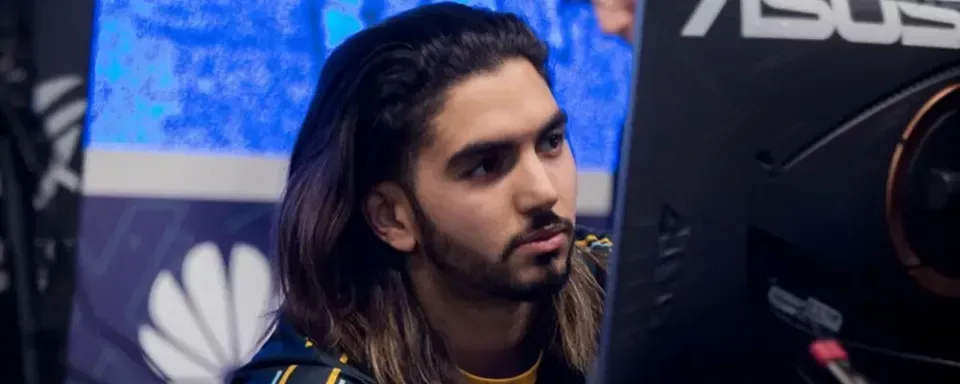
Clutchain has effectively ceased operations with its Counter-Strike 2 teams, leaving players from both the men's and women's rosters owed tens of thousands of euros in unpaid salaries and expenses.
According to HLTV, the men's team is currently owed approximately €40,000, while the women's team is owed around €28,000. The collapse of the project marks the end of an ambitious esports initiative that launched in early 2026 with high-profile signings but quickly ran into severe financial and organizational difficulties.
The organization first entered the scene in April by signing the women's team Pigeons, which consisted mainly of former Imperial Valkyries players. Six days later, Clutchain introduced a men's roster featuring ScreaM, Nivera, and Kyojin. While the project attracted immediate attention due to these prominent names, it also faced early criticism. French content creator Nyouz released a video on March 21 labeling the company as a suspicious project, citing weak KYC requirements, premium subscriptions, and the founder's other ventures involving reward systems and gaming capsules.
Financial promises did not materialize as expected. The men's team agreed to a monthly budget of €30,000, with half allocated to salaries and the other half for LAN tournaments and boot camps. However, after receiving their March salary, the team saw no further regular payments. Additionally, Clutchain agreed to pay €5,000 for an ESEA Advanced slot but only paid €1,000, forcing the players to cover the remainder themselves.
The women's team faced similar issues, including payment delays and logistical problems. A planned boot camp in the Netherlands was canceled due to visa issues, and a subsequent camp in Belgrade was canceled a week before it was to start. Despite these setbacks, the team traveled to Brazil for the Rainhas do Clutch tournament without their May salary. They finished third, defeating Atrix in the placement match, but the club's share of the prize money remains unpaid.
Nivera became the first player to leave, announcing on September 4 that he had terminated his contract and is now a free agent. Most players and coach bubble from the women's team have also filed for contract termination. David Sasha, the founder of Clutchain, denies fraud allegations, stating that the esports teams were primarily a marketing tool to promote the company's main business: gaming capsules. He claims the first capsule is already completed and at a manufacturer's plant in China, with the second unit to be installed in Europe by the end of November.
As the project collapses, players are left without teams or money, with some reporting significant personal financial impacts. The situation highlights the risks associated with joining organizations that prioritize speculative business models over stable esports operations.
Имба
