
Call of Duty: Modern Warfare 4: From Integrated Graphics to RTX 5090
The new IW 9.0 engine makes Modern Warfare 4 incredibly scalable: it runs on integrated graphics but pushes the RTX 5090 to its limits in 4K.
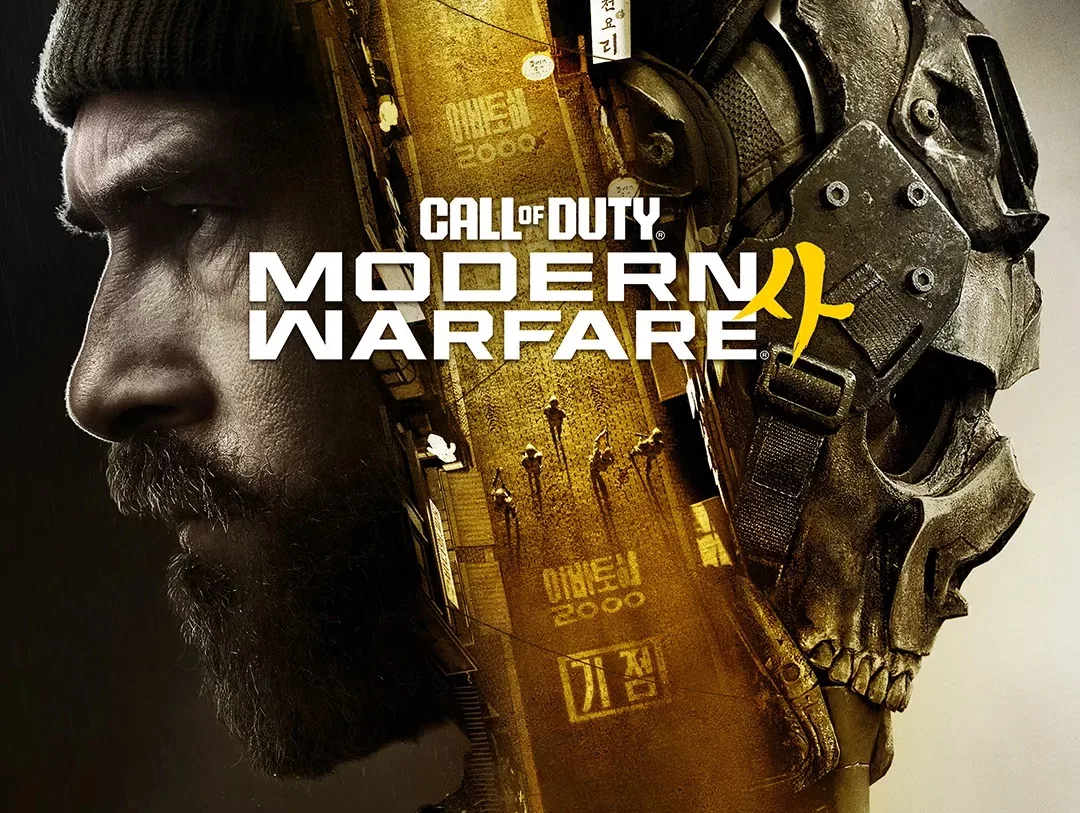
Call of Duty: Modern Warfare 4 delivers an impressive visual showcase, turning urban combat into a chaotic spectacle of collapsing buildings and debris. However, despite its high-end visuals, the game is surprisingly flexible regarding hardware requirements, scaling from budget laptops with integrated graphics to top-tier setups powered by the RTX 5090.
Developed by Infinity Ward in collaboration with Treyarch and Sledgehammer Games, the game utilizes the overhauled IW 9.0 engine. A key technical shift is the decision to drop support for the previous console generation (Xbox One and PlayStation 4), enabling a significant graphical leap. The environments are highly dynamic, featuring destructible objects, flying debris, and sparks that bring the urban disaster scenarios to life.
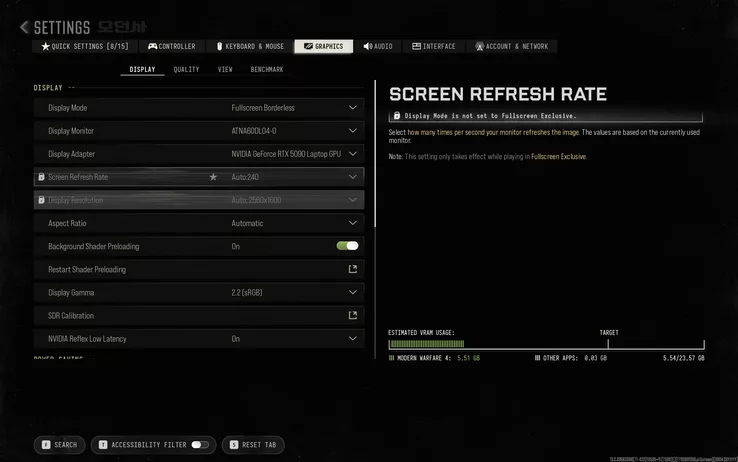
The graphics menu is extensive, offering deep customization alongside standard presets. The engine supports upscalers from all major vendors (DLSS, FSR, XeSS), as well as Frame Generation and Ray Tracing. One notable convenience is that all settings, including DLSS and Ray Tracing, take effect immediately without requiring a game restart. While Path Tracing is absent, the current engine features are more than enough to strain even the most modern GPUs.

Performance: Scalability Across Hardware
Benchmarks reveal impressive scalability. At Full HD (1080p), the game is playable even on integrated graphics like the AMD Radeon 890M (though frame rates may dip below 30 FPS on Extreme settings). Mid-range mobile GPUs like the RTX 4050 handle 1080p comfortably. Moving to QHD (1440p), the requirements increase; while FSR/DLSS helps, a dedicated GPU like the RTX 4050 is recommended to maintain a smooth experience.
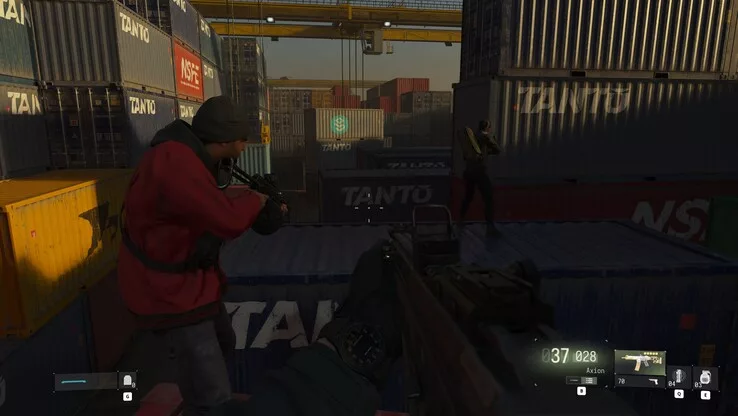
The real challenge arises at 4K. Even an RTX 4070 needs to rely on DLSS to remain playable at this resolution. The flagship RTX 5090 is pushed to its limits in 4K at native resolution and faces significant strain when Ray Tracing is enabled. While Multi Frame Generation (MFG) can boost frame rates significantly (up to 6x modes), it can lead to lip-sync issues in cutscenes and occasional visual artifacts, making it less ideal for cinematic moments.
Benchmark Summary
Гика
