

Brazil aims to be in the top five game producers in the world in 10 years
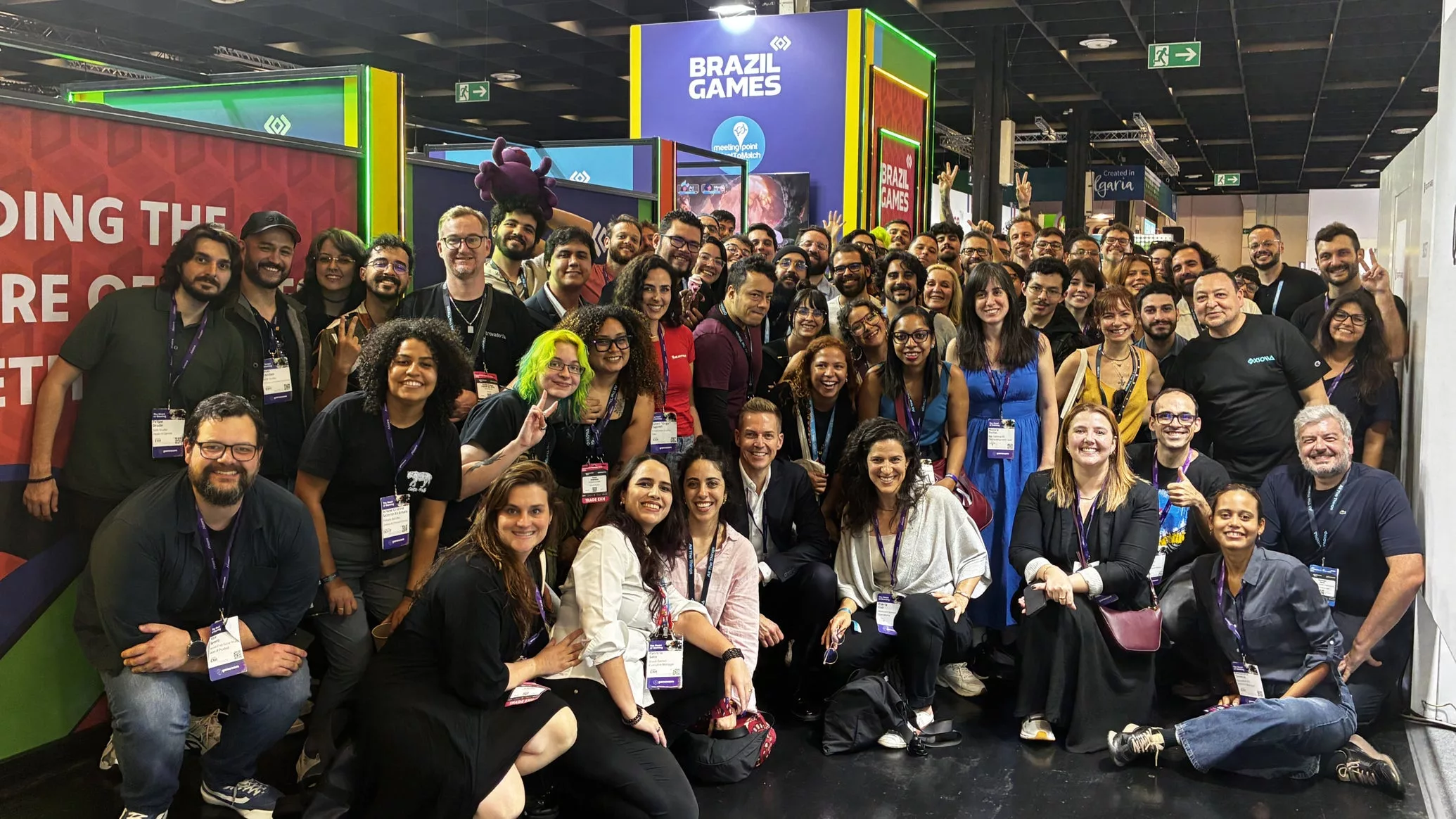
The video game industry in Brazil is setting its sights on a massive milestone: becoming one of the top five game producers in the world in less than a decade. According to Rodrigo Terra, president of the trade body Abragames, growing the gaming sector is not just an economic move, but a strategic way to exert 'soft power' and promote Brazilian culture globally.
Terra believes that video games can become a cultural conduit similar to Hollywood films or Japanese anime. His vision is for the world to recognize Brazil through its storytelling, talented artists, and writers within the next 10 years. He points to The Witcher as a prime example of how a game can introduce a global audience to a specific national history and perspective.
Patricia Sato, executive manager for the export program Brazil Games, notes that international perceptions of Brazil are often limited to stereotypes like football, samba, or carnival. She hopes games will showcase the country's diversity—such as its arid, desert-like regions that differ from the well-known Amazon rainforest. Developers are already doing this organically; for instance, Hell Clock features a dark fantasy take on the War of Canudos, a historical conflict from the late 19th century.
To support this growth, Brazil has implemented several structural changes:
- A new legal framework has redefined video games, providing new incentives and investment opportunities.
- The Ministry of Labour now officially recognizes four specific professions: producer, game designer, game narrative designer, and game artist.
- Abragames is actively expanding international outreach, focusing on markets in South Korea, Japan, China, and Southeast Asia.
Market data supports this upward trajectory. According to Newzoo, the number of players in Latin America is projected to reach 394 million by 2026, with revenues expected to top $9.3 billion. Notably, the region's revenue growth rate of 7.9% is outpacing that of North America (5.4%), marking Latin America as one of the fastest-growing sectors in the global gaming market.
Флешка
