
Be Quiet! Light Mount TKL review: A quieter, smaller update with niche gaming appeal
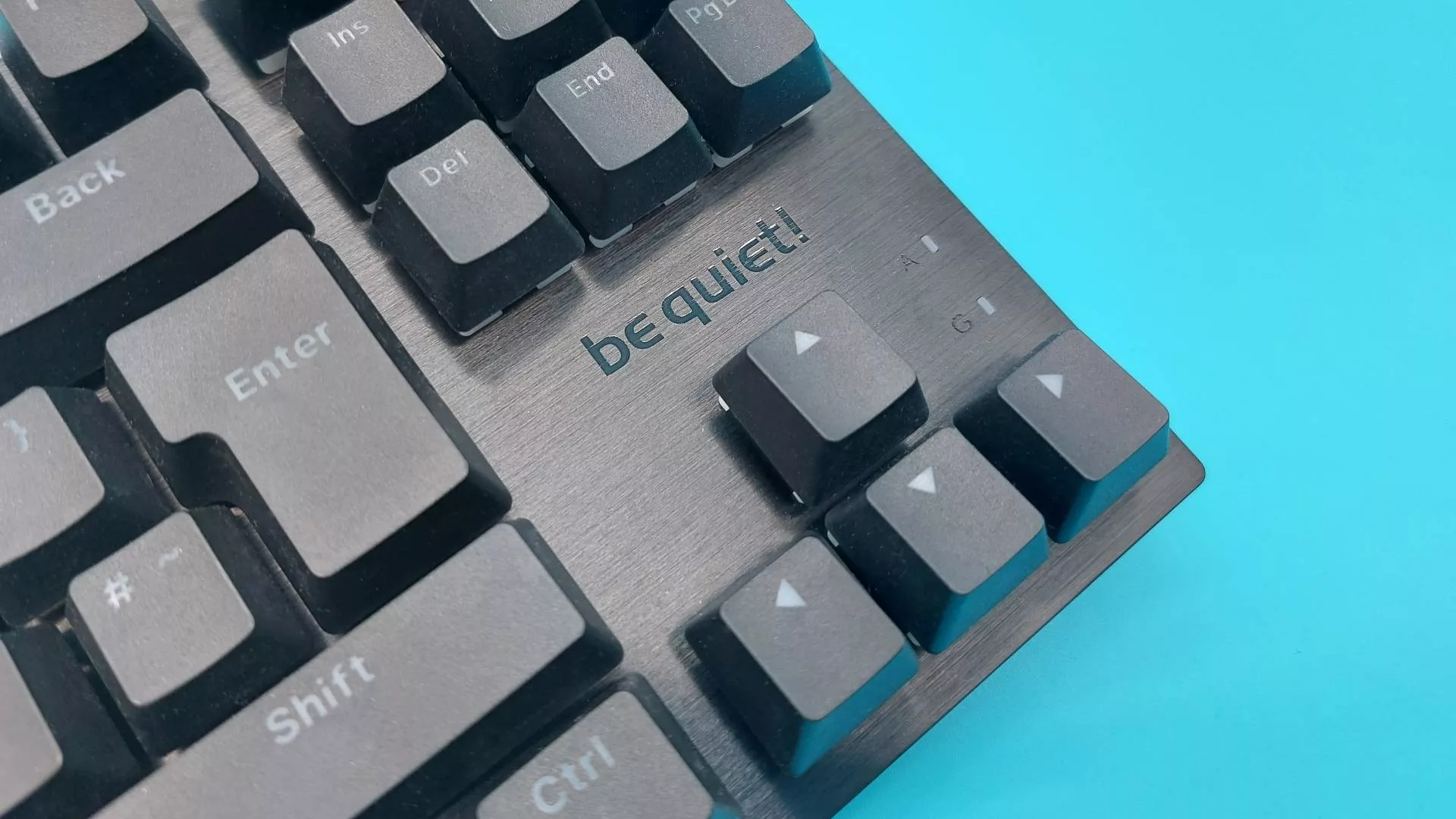
Be Quiet! has returned with a refined iteration of its acclaimed silent mechanical keyboard, the Light Mount TKL. This update aims to bridge the gap between the brand's signature ultra-quiet typing experience and the feature-rich demands of competitive gaming. By adopting an 80% form factor and integrating new Silent V2 switches alongside Simultaneous Opposing Cardinal Directions (SOCD) technology, the manufacturer attempts to redefine what a 'silent' keyboard can achieve in a gaming context. However, as with any niche product, the question remains whether its specialized features justify its position against established competitors in the enthusiast market.
Verdict
The Be Quiet! Light Mount TKL delivers on its primary promise: it is exceptionally quiet while retaining a premium aesthetic. The inclusion of SOCD and Game Mode toggles elevates it above a standard typing peripheral, yet it still lags behind other compact gaming keyboards in terms of raw feature density. While the new Silent V2 switches offer an even quieter experience than their predecessors, the PBT keycaps limit RGB vibrancy compared to competitors. Ultimately, this is a classy, quiet board for those who prioritize acoustic stealth and build quality over bleeding-edge customization.
Features
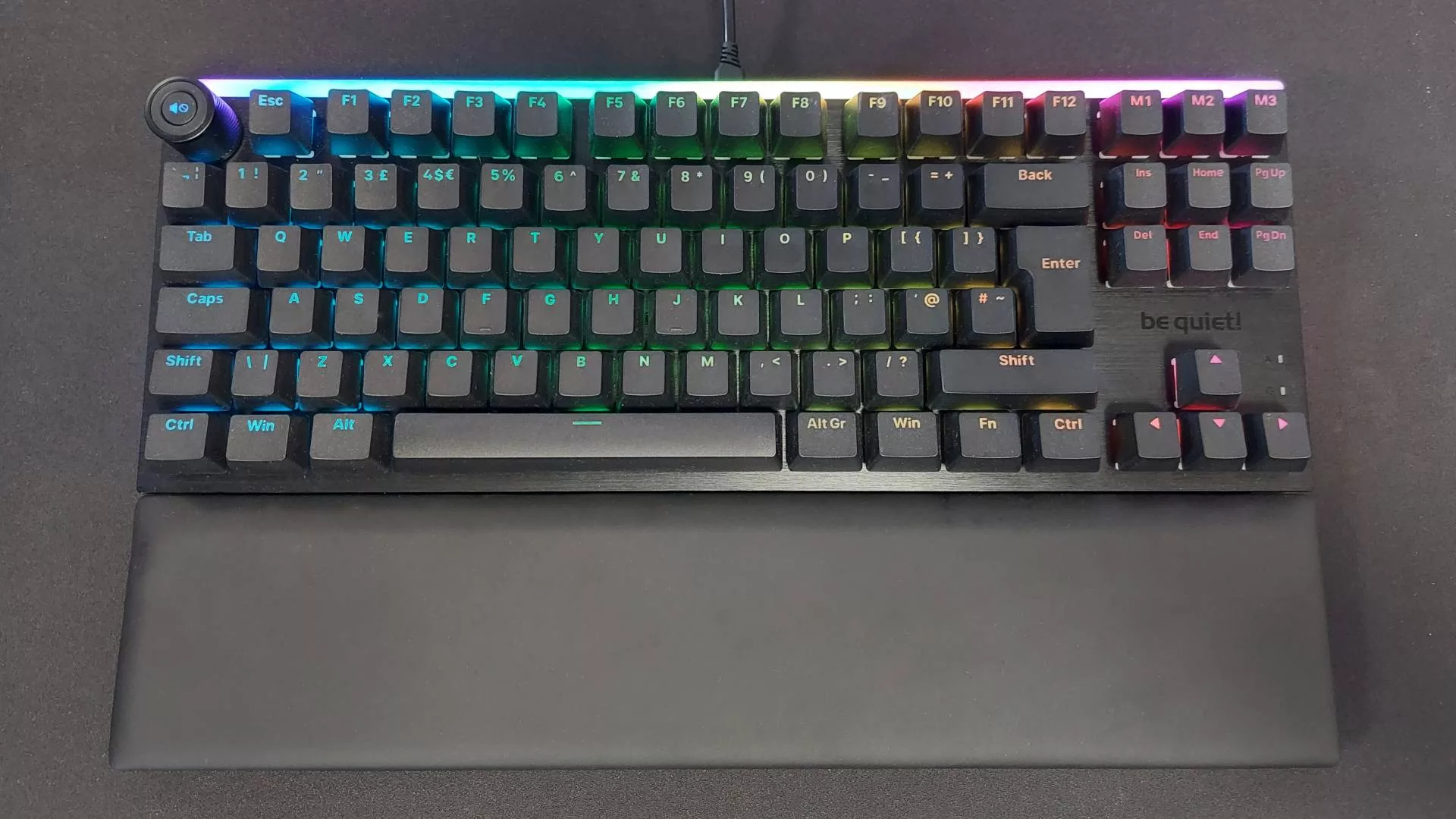
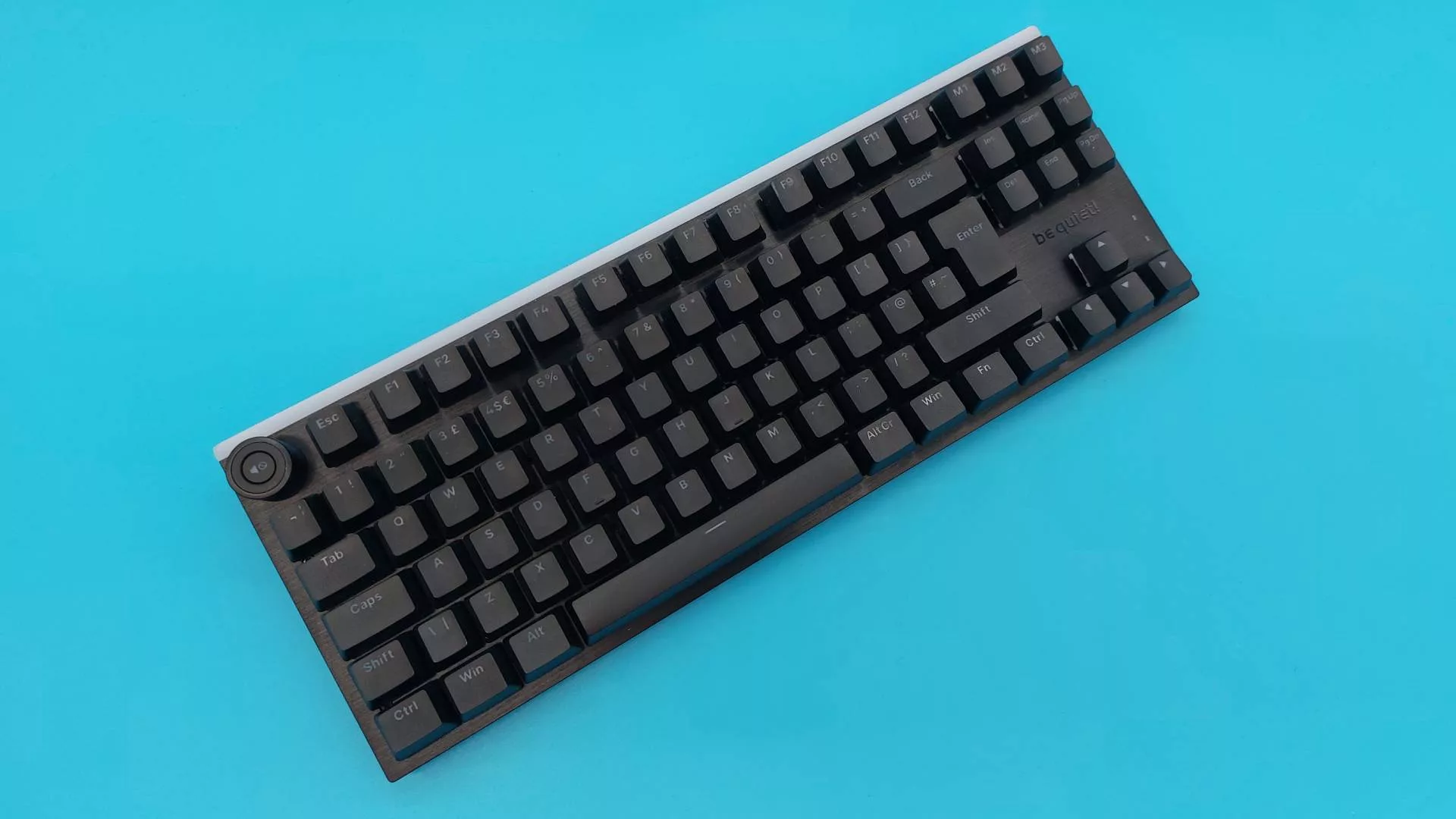
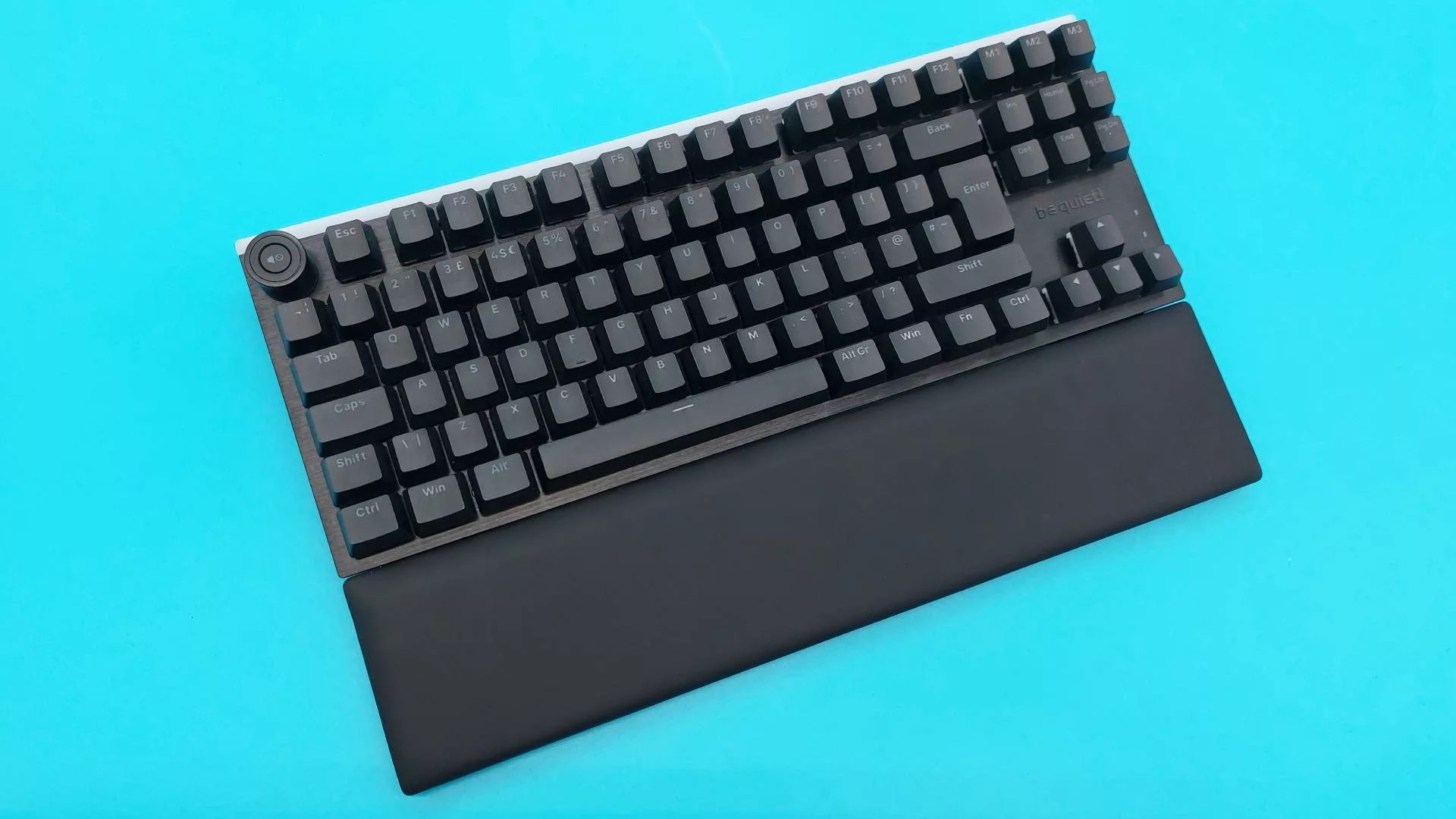
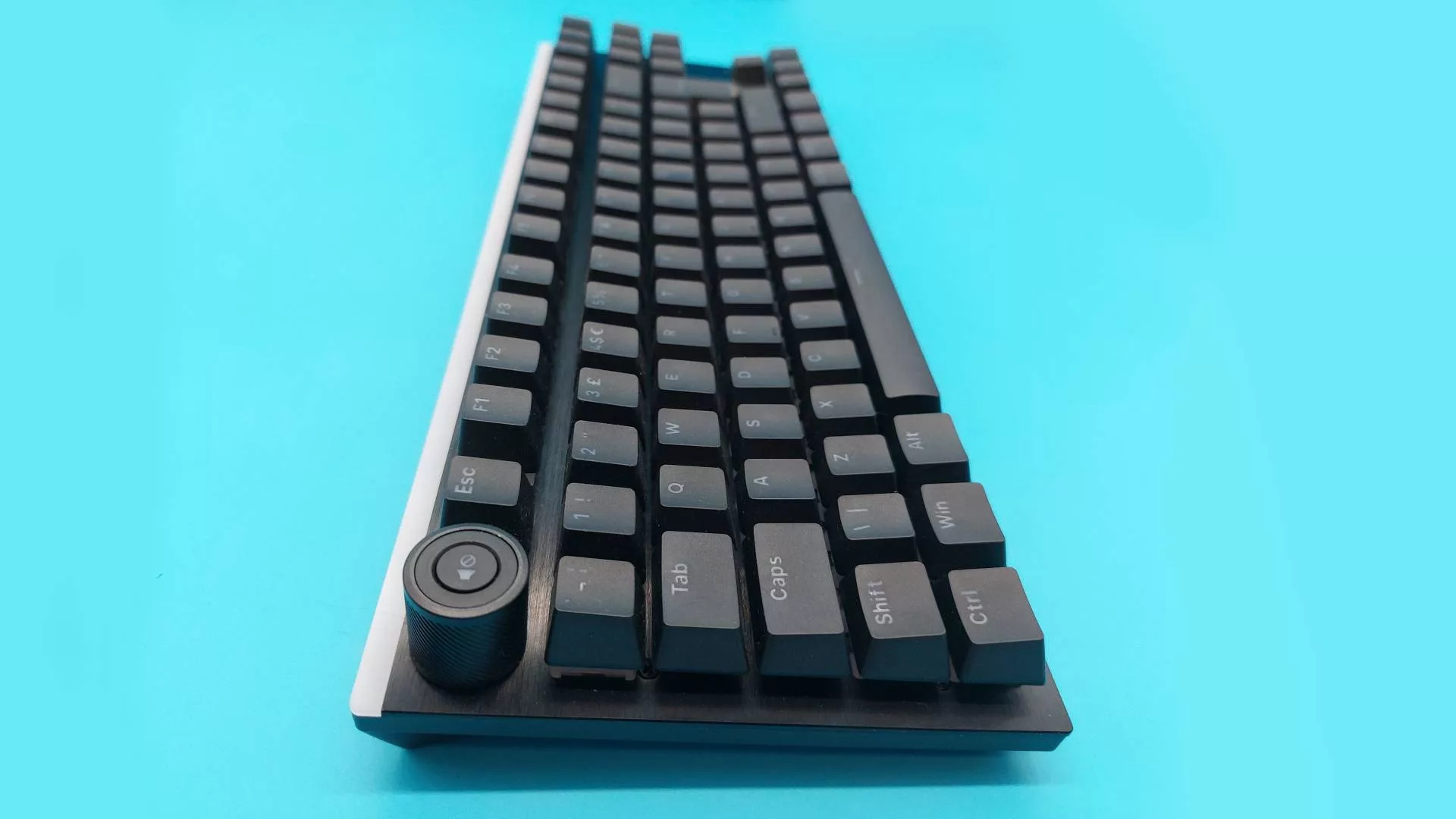
The Light Mount TKL represents a significant evolution from its full-sized predecessor, primarily through the adoption of an 80% layout. This form factor strikes a balance between desk space conservation and usability, providing enough room for mouse movement while eliminating the accidental Caps Lock hits common on smaller 60% or 65% boards. The keyboard retains the brushed aluminium top plate found on other Be Quiet! models, ensuring it looks equally at home in a high-end gaming rig or a professional office environment.
At the heart of this update are the new Silent V2 mechanical switches. Available in Linear and Tactile variants, these switches feature thicker gold contact points for the copper lever and optimized lubrication designed to reduce noise further than the original V1 generation. In practice, the Linear V2s feel firm initially but settle into a clean actuation quickly. The tactile version offers a controlled descent onto solid ground, avoiding any discordant crunchiness. Notably, the spacebar on this TKL unit is significantly quieter than that of the full-size Light Mount, thanks to the improved internal dampening layers.
For gamers, the most significant addition is the integration of Quick Tap technology, which implements SOCD (Simultaneous Opposing Cardinal Directions). This feature prioritizes the most recent directional input, allowing for highly efficient strafing that Valve has previously banned in Counter-Strike 2. While this makes the keyboard a viable tool for competitive shooters, it also highlights a potential conflict with game integrity policies. Beyond Quick Tap, the IO Center software now supports more extensive macro recording (up to 999 events) and offers five customizable key pairs for SOCD calibration.
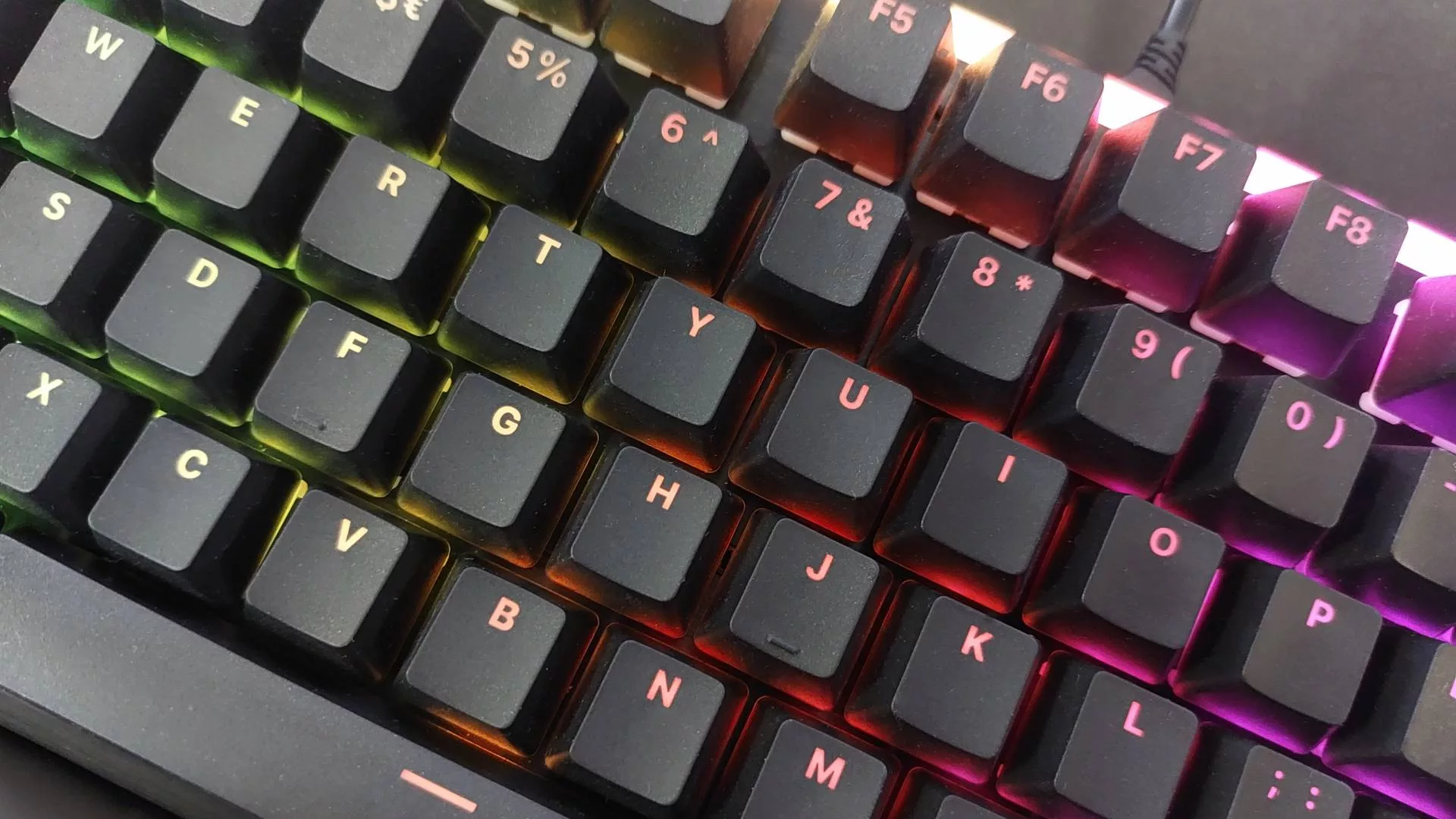
Visual customization is handled via RGB LED backlighting with ARGB diffusers on each switch. A dedicated light strip runs along the top edge of the keyboard, complementing the per-key illumination. The software supports Microsoft Dynamic Lighting integration and offers a robust selection of ripple effects, gradients, and custom layered lighting. However, users should note that PBT keycaps are not known for high light transmission; consequently, the RGB output is more subtle than on some competitors, though the diffusers ensure an even distribution of the available glow.
Performance
In terms of typing performance, the Light Mount TKL excels. The switch feel is described as second to none, offering a smooth and quiet actuation that does not disturb late-night gaming sessions or office environments. The 1,000 Hz maximum polling rate ensures low latency for gaming tasks, while the layout's precision helps avoid accidental key presses common on smaller boards. The Shift key remains comfortably within reach for sprinting mechanics in games like Cat Mail Co., provided the user does not adopt an unusual hand grip.
Gaming performance is bolstered by the Quick Tap feature, which makes direction changes snappier and more responsive. This allows for tighter control during rolling maneuvers or rapid directional shifts. However, it is important to note that this keyboard is not designed as a direct competitor to Hall effect keyboards like Wooting devices. It lacks customizable actuation points and Hall effect switches, positioning it instead as a high-quality mechanical option for those who prefer traditional tactile feedback without the noise.
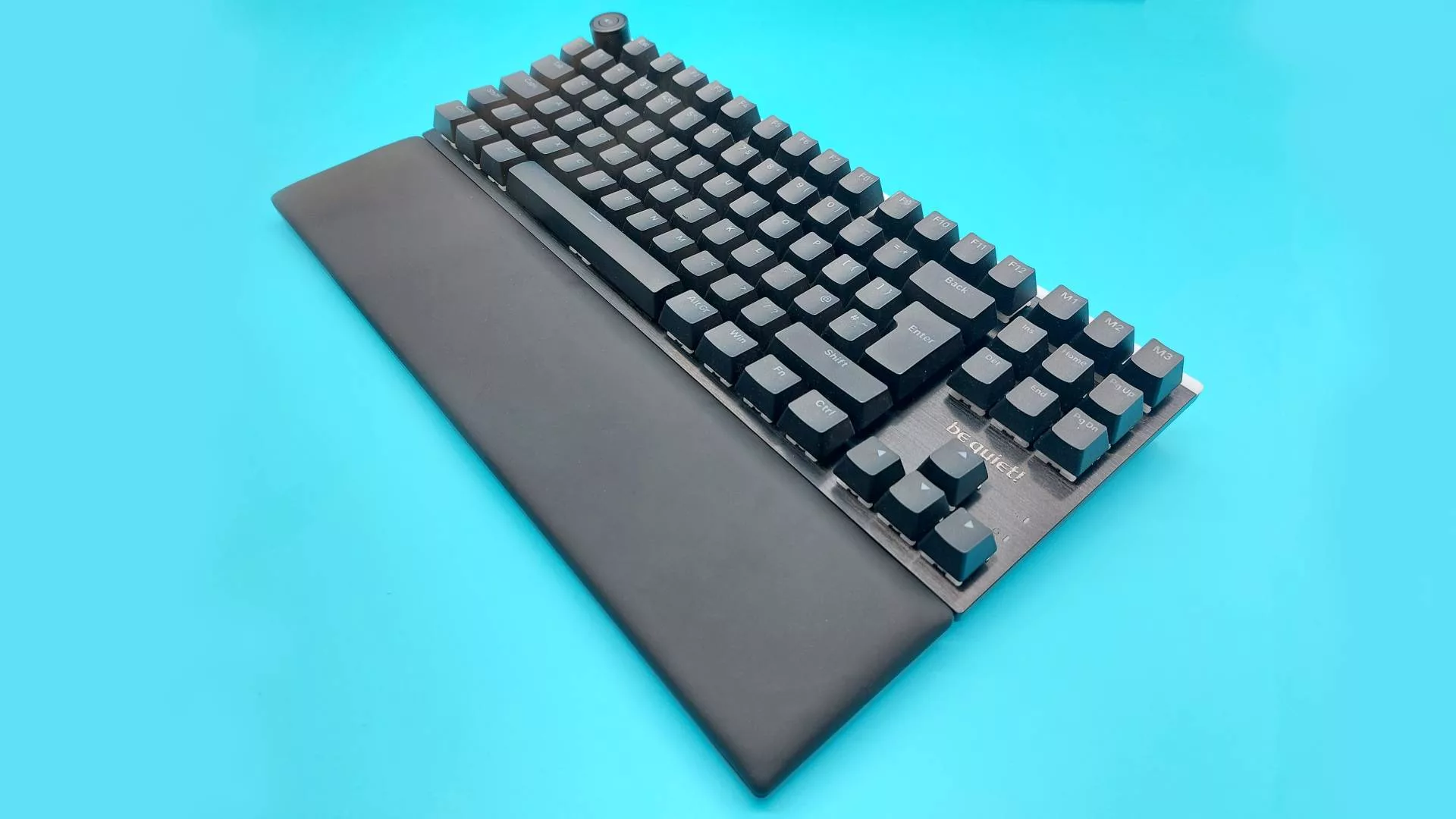
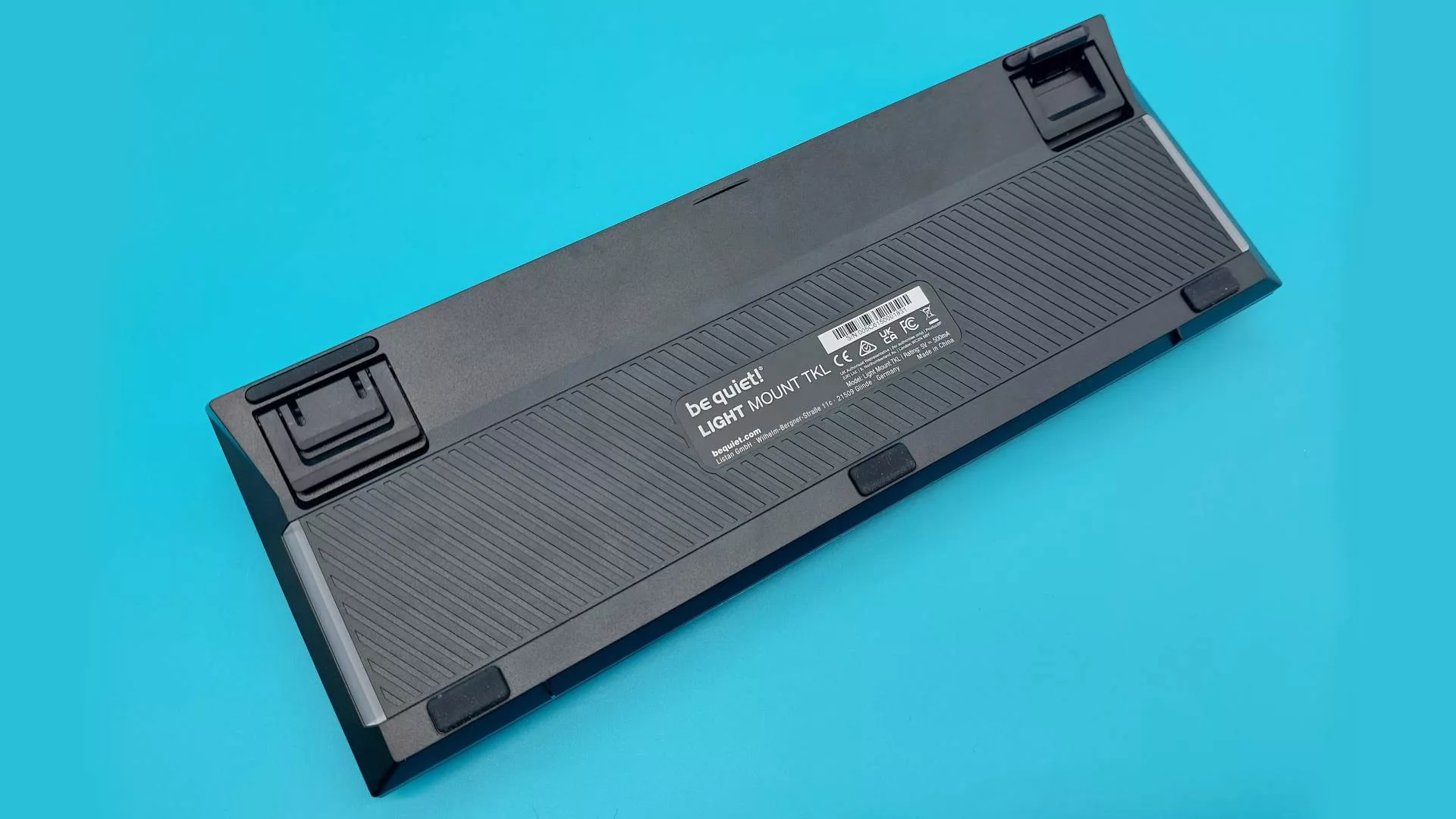
The build quality is exemplary, with three internal layers of sound-dampening foam that contribute to the keyboard's overall quietness and sturdy heft. The magnetic wrist rest attaches securely, adding comfort during extended sessions. The brushed aluminium top plate adds a premium finish, though the lack of fun colorways may deter some users who prefer vibrant aesthetics.
Software
The IO Center software serves as the hub for customization and configuration. It can be installed as a local desktop application or accessed via a web interface. The software is well-organized, allowing users to tweak RGB effects, adjust Game Mode settings, and manage macros. A helpful hardware monitor within the dashboard displays temperatures and fan RPM, though this is less relevant for a keyboard-only setup.
Game Mode offers several toggles to disable specific key combinations while gaming, including Shift + Tab, Alt + F4, the Windows Key, Alt + Tab, and now Caps Lock. This functionality is crucial for maintaining immersion in competitive titles. Quick Tap settings are found under 'Product Settings' rather than within the standard Key Binding menu, reflecting its specialized nature. The software also includes warnings about SOCD restrictions in competitive games, advising users to check specific game rules before enabling the feature.
Value
Priced at $140/€140, the Light Mount TKL is approximately $30 less than the full-size version at launch. While this makes it a more accessible entry point into Be Quiet!'s silent keyboard lineup, it still commands a premium compared to budget alternatives. The full-size Light Mount remains the pick for the best overall silent board, but the TKL introduces features like V2 switches and expanded Game Mode that will eventually trickle down to future productions of the larger models.
For users who rely heavily on complex macros or require the specific benefits of SOCD in a quiet environment, the TKL is the logical choice. However, for those seeking the absolute best value in a compact form factor, alternatives like the Gamakay x NaughShark NS68 offer Hall effect switches and PBT keycaps for around $40. Similarly, the Wooting 60HE v2 provides customizable actuation points and wireless connectivity at a competitive price point.
Ultimately, the Light Mount TKL is a niche product that caters to users who value acoustic stealth and build quality above all else. While it may not offer the bleeding-edge features of dedicated gaming peripherals, its combination of silence, premium materials, and thoughtful software integration makes it a compelling option for those willing to pay for a well-crafted mechanical keyboard.
Зануда
