ASRock Releases ASRVBFlash 1.0.6 Following Critical Radeon VBIOS Failures
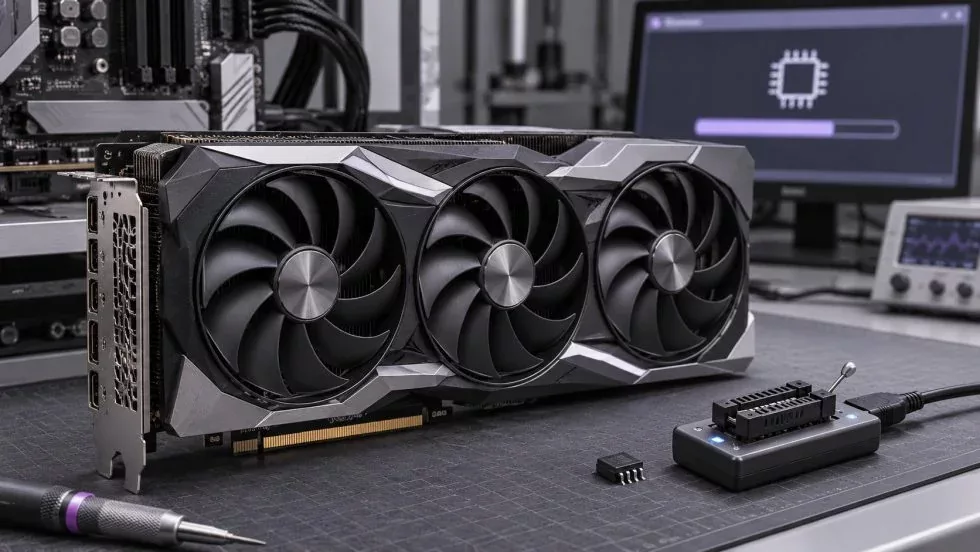
ASRock has released a new version of its VBIOS update package, ASRVBFlash 1.0.6, following reports of multiple Radeon RX 7900 XT and RX 7900 XTX units failing to boot after a previous update. While the new version replaces the problematic 1.0.5 release on several product pages, the manufacturer has notably omitted a changelog or any technical explanation regarding the cause of the previous failures.
The issue stems from the ASRVBFlash 1.0.5 update, which was released on October 29 for ten different Radeon RX 7000 models. This included various RX 7600 XT, RX 7700 XT, and RX 7800 XT cards, as well as several RX 7900 XT and XTX models from the Phantom Gaming and Taichi series. While intended as a broad security measure for the Radeon RX 7000 lineup, the update led to a series of critical failures, particularly among owners of the high-end Navi-31 models. Users reported that after performing the flash and restarting their systems, the PCs would fail to initialize or reach the POST (Power-On Self-Test) stage.
The failure pattern was remarkably consistent: the ASRock utility would complete the check, initiate a reboot, and then the system would hang before the operating system could load. In many cases, removing the affected graphics card allowed the system to boot again, suggesting that the hardware itself was not physically destroyed, but rather the firmware failed to initialize correctly. Some users managed to recover their cards using an external EEPROM programmer and an older, known-working VBIOS image, highlighting that the issue was rooted in the firmware rather than permanent hardware damage.
Uncertainty Surrounding Version 1.0.6
ASRock's response has been somewhat fragmented. While some product pages and download paths have been updated to include version 1.0.6, the global ASRock support overview still lists version 1.0.5 as the current release for many models. Furthermore, the manufacturer has not provided a changelog or clarified whether the issue resided in the VBIOS itself, the flashing tool, or the assignment of specific firmware images to certain card variants. Consequently, it is premature to label version 1.0.6 as a confirmed fix for the 'bricking' risk, even though secondary reports suggest it aims to correct the flashing process.
This lack of transparency leaves current owners of functional cards in a difficult position. While the original update was intended for security, the risk of total system failure on RX 7900 models is significant. Without a detailed description of the fix or widespread user feedback on the new version, there is no immediate technical reason to flash a currently working card. For those whose cards have already been rendered non-functional by version 1.0.5, attempting to program the EEPROM manually is highly risky and requires disassembling the cooler to access the flash chip directly, which may also void warranties.