

How Early Access Changed: Amplitude Reflects on Endless Legend 2 Launch
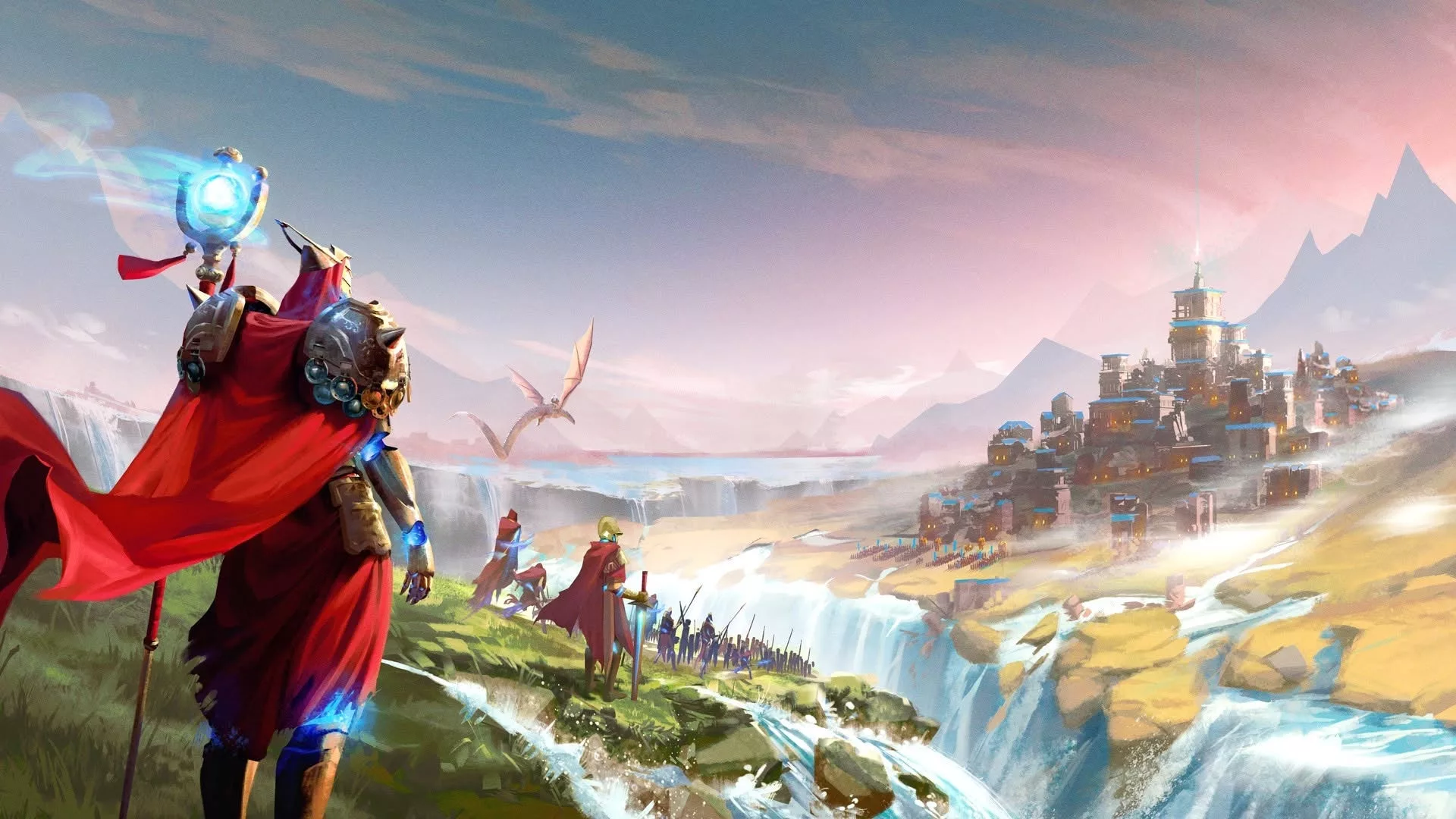
With the 1.0 release of ENDLESS Legend 2, Amplitude is looking back at its long history of iterative development. The early access model, which the studio has utilized for years, has undergone a massive transformation in both technical execution and player perception.
Co-founder and CEO of Amplitude, Romain de Waubert de Genlis, recalls that the studio was among the first to embrace early access long before it became a standardized feature on Steam. Ahead of the 2012 launch of Endless Space, players who preordered received immediate access to an alpha build that was steadily refined through patches. In those days, the process was a private affair between the developers and a dedicated core of players, as journalists were often reluctant to cover unfinished titles.
Today, the landscape is vastly different. de Waubert de Genlis notes that early access has become a much more public phenomenon, involving influencers and journalists from the start. However, this brings new uncertainties. While a polished launch used to trigger an "avalanche" of new players, developers now face the question of whether those who joined during early access will stick around for the full 1.0 release.
The most significant shift, however, lies in player expectations. A decade ago, players understood they were playing an unfinished product; in fact, some criticized builds that were too polished, demanding more input in the design process. Now, the sentiment has inverted. Romain de Waubert de Genlis points out that modern audiences are far less forgiving: "If you come to early access with an unfinished game, you'll get crushed." This pressure limits the ability to experiment, as the risk of making mistakes during creative exploration can lead to immediate backlash.
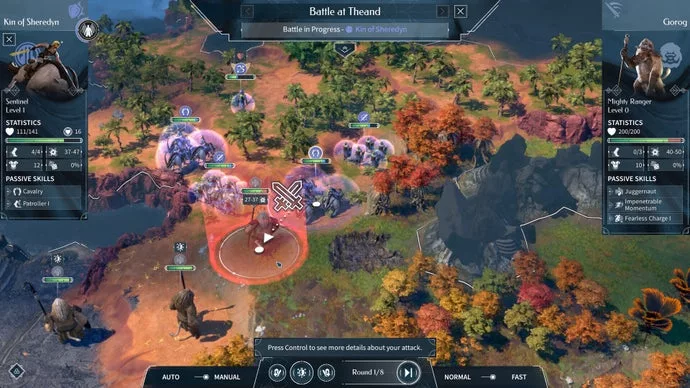
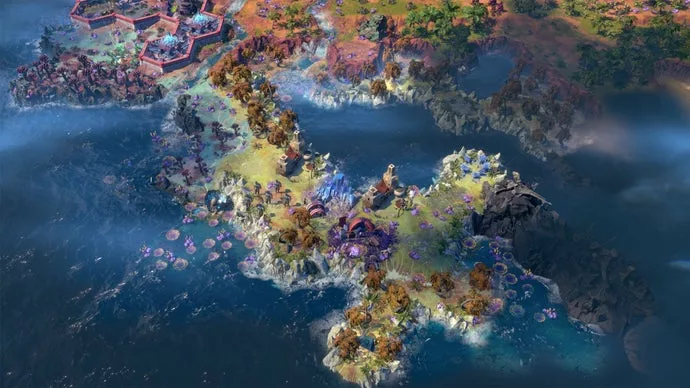
The development of ENDLESS Legend 2 serves as a testament to how feedback can shape a game. Throughout its early access period, the team released approximately 60 patches and 10 major updates. One notable adjustment involved the receding waters mechanic. Initial feedback indicated that the land generation was too vast, leading to player boredom. In response, the team refined the generation to include more chokepoints, turning the new territory into a tactical battleground.

Despite these evolving pressures, Amplitude intends to continue its community-driven approach. For their upcoming project, Humankind 2, the studio is already preparing a private alpha. As game director Benoit Humbert explains, the modern standard for early access is a game that feels finished and functions smoothly, even if the developers continue to iterate based on player input.
Флешка
