

AMD RDNA 5 targets 3.1-3.4GHz GPU clock range, according to leak
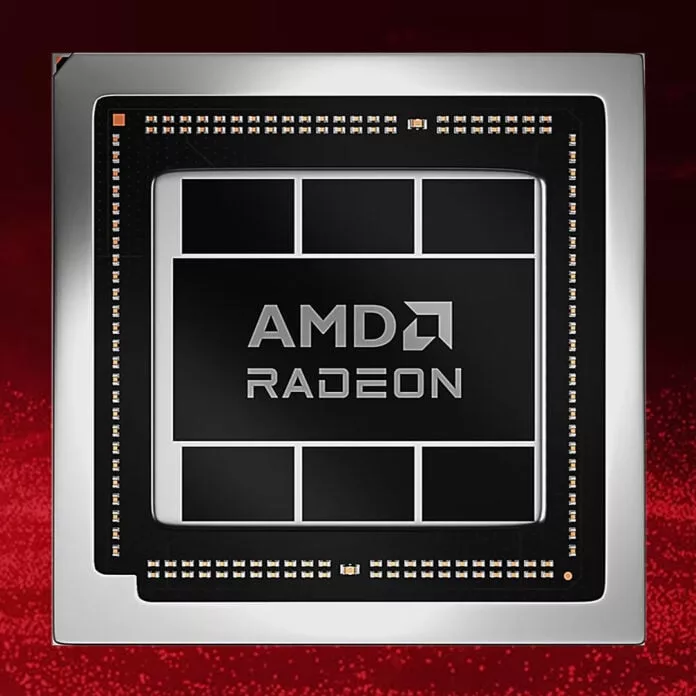
AMD is reportedly targeting a 3.1–3.4 GHz peak frequency range for its upcoming RDNA 5 graphics cards, according to a leak from Kepler_L2. If accurate, these figures would represent a modest increase over the current top-end Radeon RX 9000 series, though the exact application of these clocks across different form factors remains unclear.
The information comes from Kepler_L2, a regular figure in the Radeon rumor community, who claims to have seen internal AMD documents referencing these specific clock speed targets. However, the leaker has not provided any screenshots or verifiable evidence of these materials. As is standard with unverified leaks, these figures should be treated with caution until officially confirmed by the manufacturer.
Context is crucial when evaluating these numbers. While RDNA 4 has been primarily focused on the desktop segment with the Radeon RX 9000 series, RDNA 3 was deployed across both desktop and mobile platforms. It is expected that RDNA 5 will follow a similar multi-platform path, potentially covering desktops, laptops, handhelds, and consoles. The pressure from competitors like Intel with its Panther Lake architecture may have pushed AMD to innovate beyond the RDNA 3.5 generation.
In terms of performance implications, a 3.4 GHz target on a high-end GPU would translate to a 14.5% increase (+430 MHz) over the Radeon RX 9070 XT, which currently tops out at 2,970 MHz. Conversely, a 3.1 GHz target would represent a smaller 4% bump (+130 MHz). It is worth noting that the more affordable Radeon RX 9060 XT already boosts to 3.13 GHz, suggesting that the lower end of this rumored range may not be a significant leap for all models. These calculations also do not account for dynamic boosting behavior, which can vary based on thermal headroom and power limits.
Clock speed is only one factor in overall performance. Instructions per clock (IPC), the total number of compute units (CUs), and other architectural improvements will all play a role in determining the final capabilities of RDNA 5 GPUs. For now, the only concrete takeaway is that AMD appears to be aiming for higher raw frequencies than the RDNA 4 generation, but final specifications remain unconfirmed.
According to previous whispers, the RDNA 5 launch is not expected until 2028. If this timeline holds, enthusiasts will have to wait a considerable amount of time for finalized specifications and models across various platforms.
Гика
