

A new MMORPG era: how Throne and Liberty is changing a genre everyone wrote off
For years the MMORPG was a dying genre. Throne and Liberty is pulling millions of players and proving the genre wasn't dead — it was waiting for the right game. A deep dive into what changed, why it matters, and what the MMO market looks like from here.
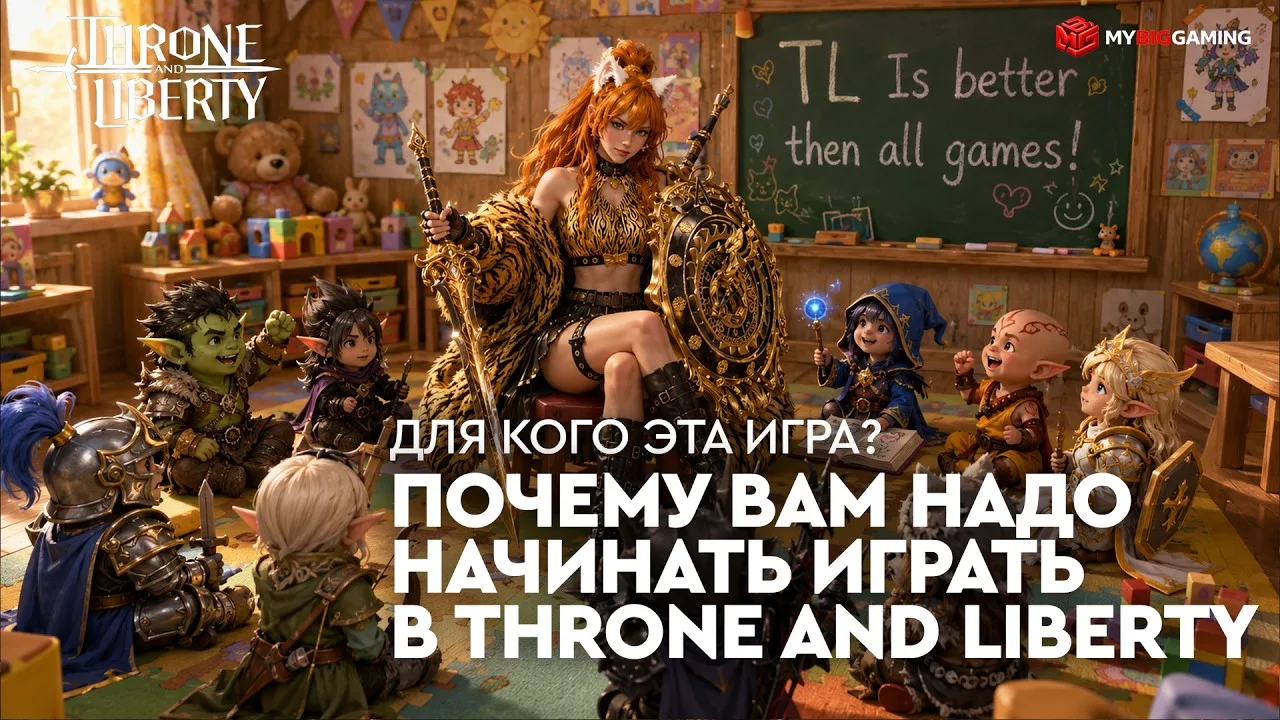
38% retention at 90 days post-launch — a Western MMO record. The obituary for the MMORPG genre was written too early.
In 2020, a prominent gaming journalist wrote a column titled "MMORPGs are dead." It seemed reasonable: World of Warcraft was shedding subscribers, new entries kept disappointing, and the subscription business model was visibly crumbling. In 2026, the picture looks fundamentally different.
The 2010s MMO problem: a genre stuck in the past
Most MMORPGs of the 2010s made the same mistake: they copied WoW's formula without understanding that the formula worked in a specific historical moment. WoW's narrative was unique in 2004. Its quest systems held players until 2007 because the internet was slower, social alternatives were fewer, and the average gamer had more patience. Raid content created guild social bonds because guilds were how you found people to play with.
Mobile gaming rewrote player expectations. People adapted to immediate feedback loops, clear progression milestones, and the ability to play anywhere. Traditional MMORPGs kept requiring hour-long sessions and intimidating tutorials — the audience drifted away.
Final Fantasy XIV: the first signal
FFXIV's 2013 rebirth (A Realm Reborn) was the first clear evidence that the genre wasn't dead — it just needed the right game. Square Enix publicly acknowledged the failure of 1.0, rebuilt the product from near-scratch, and created one of the most loyal player communities in MMO history. The lesson FFXIV demonstrated: if players feel respected by the developer and see real-time improvement, they stay. Today FFXIV has over 30 million registered accounts. Not concurrent players — but 30 million people who bought a subscription and returned at least once.
Throne and Liberty: a new philosophy of scale
NCSoft announced Throne and Liberty in 2017. Western release in 2024. Seven years of development with several significant directional changes — the result is a title that can reasonably be called a turning point for the genre.
What TL does differently
Dynamic world instead of static zones. Weather and time of day change dungeon accessibility and enemy behaviour. Some content is only available at night; some only during storms. This creates a lived-in world feeling that 2010s MMOs almost universally failed to deliver.
Large-scale PvP without a grind wall. Castle sieges, open-world PvP with a political system, guild wars — all accessible in the second week of play. TL was designed so that PvP is a realistic goal from day one, not a 200-hour endgame unlock.
Free-to-play without pay-to-win. This was the core critique of Korean MMOs for a decade. NCSoft, at least for the Western release, took that feedback seriously: premium content is cosmetic. Progression cannot be purchased with real money. For Western players, this is a non-negotiable floor.
The TL numbers in 2026
Peak concurrent players at launch: 930,000 on Steam
Monthly active users (May 2026): ~4.2 million
Average daily session length: 3.1 hours (comparable to WoW Classic in 2019)
90-day retention: ~38% — a Western MMO record by a significant margin
What this means for the genre
TL proves several things simultaneously. First: large-scale PvP-focused MMOs work in Western markets when the monetisation is calibrated correctly. Second: players will invest time in complex games if the gameplay loop is engaging from the first hours — not from the 200th.
Competitors are already responding. Several studios have announced MMO projects with increased emphasis on PvP systems and dynamic worlds. Amazon Games accelerated development on a new project. Blizzard is hinting at a "significant content update" for WoW with open-world PvP as a centrepiece.
Risks and open questions
TL is not perfect. Endgame content depth is a current criticism — guilds who completed all available raid content are waiting for updates. NCSoft has committed to a major update every two months, which is ambitious. Whether that cadence is sustainable at the required quality level remains to be seen.
The second question is server longevity. MMOs live and die by server population. If the player base contracts past a critical threshold, a spiral begins. Current metrics do not suggest this risk is imminent, but 18 months post-launch is the standard "real test" for the genre.
Conclusion: the obituary was premature
MMORPGs did not die — they evolved. Throne and Liberty proved that the genre can attract millions of players in 2026 when developers commit to respecting the player's time and money. The next three years will determine whether this is a sustainable renaissance or a temporary peak. But one thing is clear: the obituary written in 2020 was premature.
Аналитика MBG
