

25 Years of Windows XP: The Cult OS That Started Mandatory Activation
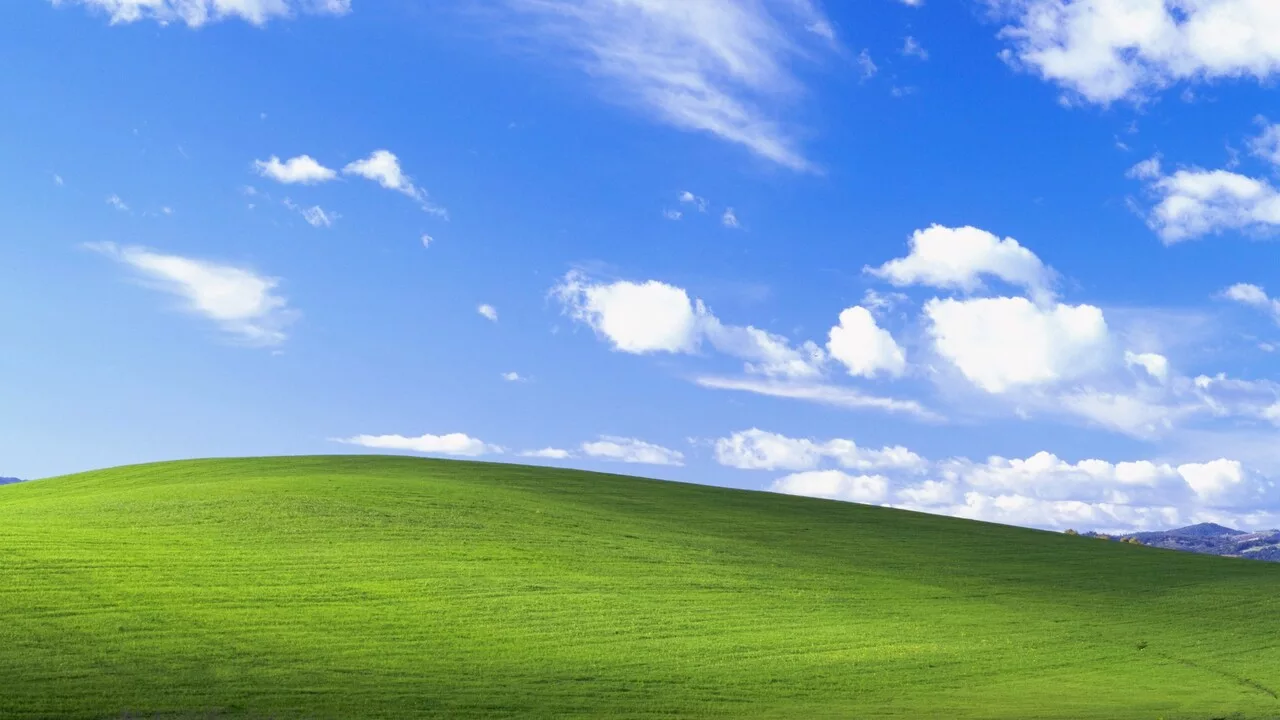
Twenty-five years after its release on October 25, 2001, Windows XP remains one of Microsoft's most iconic operating systems. While it delivered unprecedented stability for home users, it also laid the groundwork for many modern controversial practices, including mandatory product activation and the push toward cloud-based ecosystems.
Stability Powered by the NT Kernel
The most significant technical milestone for Windows XP was the migration of consumer operating systems to the Windows NT architecture. Previously, home users relied on the 9x line (including Windows 95, 98, and Me), which was built on top of DOS. While this offered better hardware compatibility, these systems were notoriously unstable and prone to frequent crashes.
By adopting the NT kernel—previously reserved for professional environments like Windows 2000—Windows XP brought enterprise-grade reliability to the mass market. This stability contributed to its immense longevity; the OS received three Service Packs and remained supported until 2014. However, breaking away from the DOS heritage also caused initial friction, as many legacy drivers and classic games were incompatible with the new architecture.
System Requirements and Hardware Leap
Windows XP represented a significant jump in hardware demands. Compared to Windows Me, the minimum RAM requirement doubled from 32 MB to 64 MB. The minimum specifications at launch were:
- Processor: Pentium 233 MHz (300 MHz+ recommended)
- RAM: 64 MB (128 MB+ recommended)
- Hard drive space: 1.5 GB
- Display resolution: 800 × 600 pixels
Legacy: Activation and Ecosystem Beginnings
Windows XP also introduced the era of product activation, a practice that remains controversial today. To combat software piracy, Microsoft implemented a system that tied the license to specific hardware via online or telephone activation. Failure to activate resulted in the system becoming unusable after 30 days. While many users bypassed these restrictions using well-known keys (such as the FCKGW key), the move marked a fundamental shift in how software is controlled.
Furthermore, Windows XP served as a testing ground for Microsoft's ecosystem ambitions. This was seen in the aggressive promotion of the Passport service (a precursor to modern Microsoft accounts) and the deep integration of Internet Explorer 6 and Media Player. These practices triggered antitrust investigations in both the US and the EU, eventually leading to the release of a version of Windows XP without the Media Player in 2005.
Гика
