
The 2026 Memory Crisis: Samsung Strike, GDDR7 Shortage, and Rising PC Prices — What Gamers Need to Know
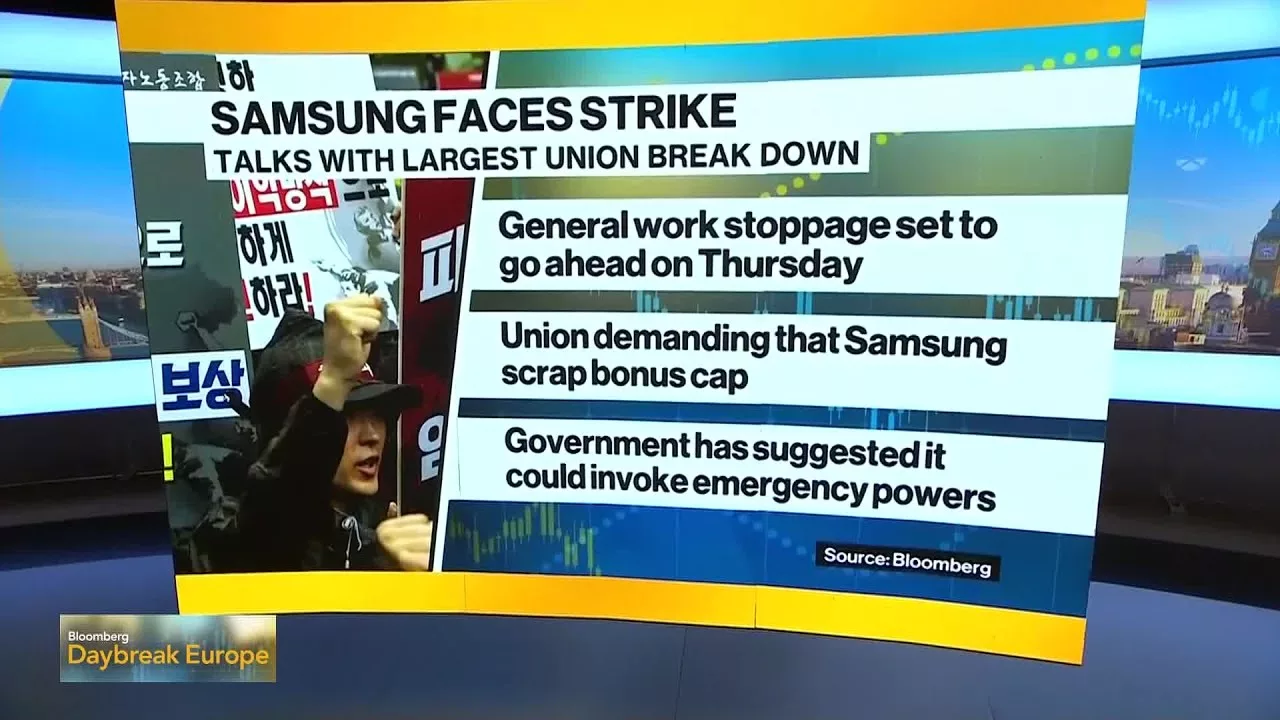
May 2026 has been eventful not just for game releases but for the semiconductor market. Three interconnected events — Samsung's labor strike, NVIDIA's GDDR7 shortage, and PC vendor price warnings — are combining to create a challenging environment for gaming hardware buyers.
NVIDIA is redirecting GDDR7 to data center GPUs: they generate 3–5x more revenue per gigabyte than gaming cards.
Let's break down each development individually — then examine how they compound into a broader trend.
Samsung: 45,000 Workers, 18 Days
On May 21, 2026, Samsung's largest union began an 18-day strike. Around 45,000 workers walked off production lines, primarily at facilities manufacturing HBM (High Bandwidth Memory) — critical for AI-tier GPUs.
The union's demands center on removing profit bonus caps after Samsung's AI-driven revenue surge. Samsung and SK Hynix together control roughly two-thirds of the global DRAM market and an even larger share of HBM — with Micron as the only third player. This concentration means any significant output reduction has global consequences.
Analysts (TrendForce, Notebookcheck) estimate the strike could cause 3–4% DRAM and 2–3% NAND shortfalls short-term. With global inventories covering only 4–6 weeks of demand, even small supply drops can act as price triggers.
NVIDIA Cuts RTX 50: GDDR7 Is the Problem
Separately, NVIDIA has reportedly cut RTX 50 Series production by 30–40% in H1 2026 due to constrained GDDR7 memory supply. The key tension: data center GPUs generate 3–5x more revenue per gigabyte than gaming products. Under supply constraints, NVIDIA naturally allocates memory to professional segments — meaning the gaming market receives fewer cards than anticipated at the lineup's announcement.
PC Vendors: 15–20% Price Increases
Lenovo, Dell, HP, Acer, and ASUS have warned of 15–20% price increases on PC systems shipping in H2 2026, driven by rising memory costs, US tariffs, and currency headwinds.
Nintendo Switch 2 already responded — the May 9 announcement raising the price from $449.99 to $499.99 (effective September 1) officially cited "AI chip memory shortages" as a contributing factor.
What Gamers Should Do Now
- GPU: Planning an RTX 50 upgrade in 2026? Consider the AMD RX 9070 XT ($600 MSRP, strong alternative) or wait for RTX 50 supply to normalize after the initial AI demand wave subsides;
- RAM and SSD: Prices may rise in H2 2026. If an upgrade is planned, consider acting before September;
- Nintendo Switch 2: Buy before August 31 at the current $449.99 if you intend to purchase.
Conclusion: A Cyclical Storm, Not a Collapse
The combination of these factors creates a headwind for gaming hardware over the next 6–12 months. This isn't a market collapse — but it's not a buyer's market either. Acting proactively is the best strategy.
Аналитика MBG
