

20 years ago, Dead Rising showed a different path for open worlds, and more games should pinch its ideas
Two decades after its release, Dead Rising's structure with time limits and a dynamic world that ignores player actions remains rare. Capcom Vancouver's 2006 innovation offers valuable lessons for modern open-world design.
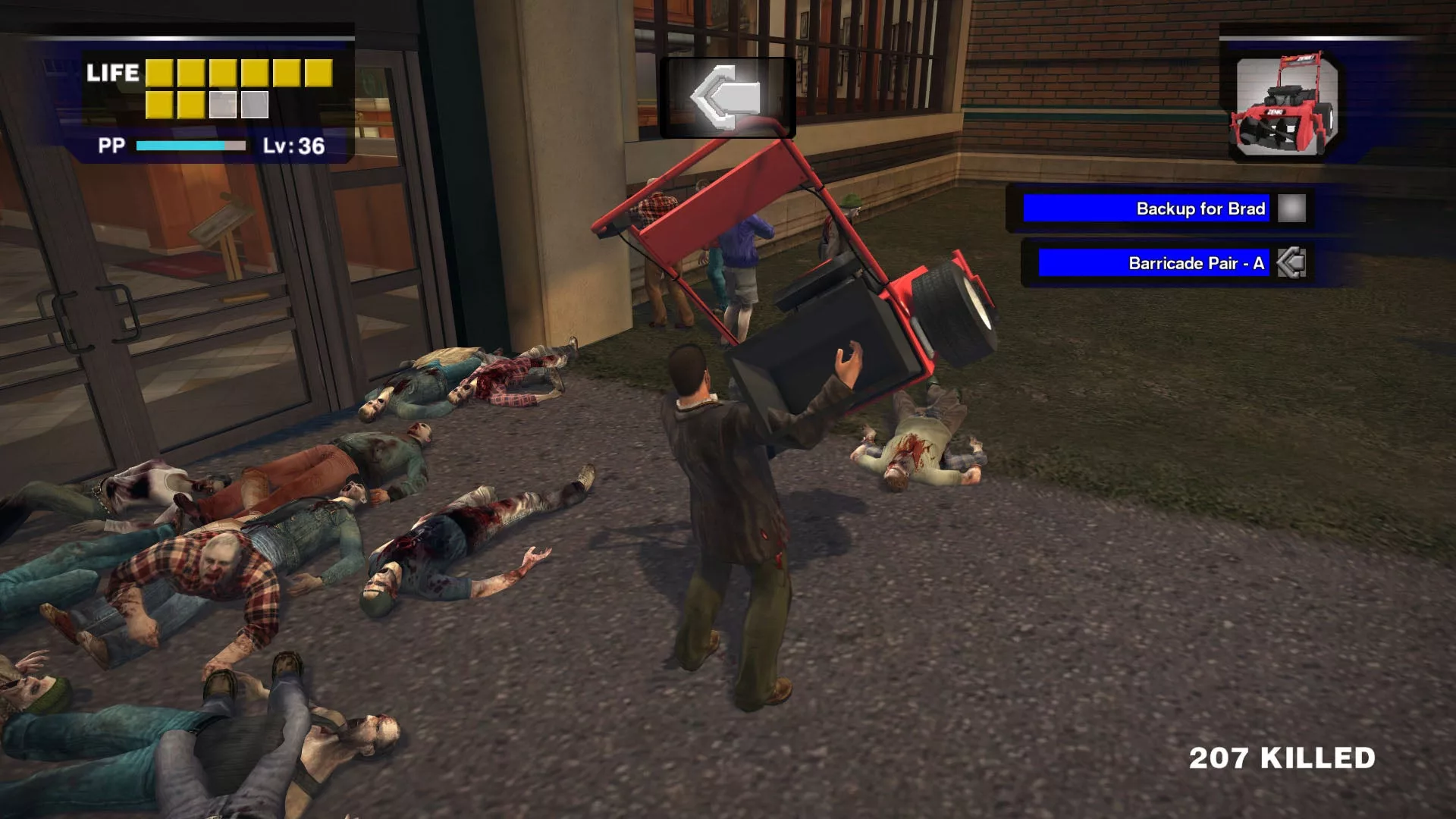
While most developers chose the path of Oblivion in 2006, Capcom took a different route with Dead Rising. Photojournalist Frank West is dropped into Willamette Parkview mall, where time is limited to three days. The game doesn't require players to complete all quests: they can simply wander through shops, search for weapons, or read books. The world reacts to events independently of player actions, creating a unique atmosphere.
Unlike most modern open worlds where the world is 'frozen' until the main story concludes, Dead Rising offers a dynamic structure with time limits. This avoids the feeling of emptiness when traveling between locations and maintains tension even in late-game scenarios.
While many projects like Persona, Outer Wilds, or Deathloop also use time as a key gameplay element, Dead Rising demonstrates how limited time can make repeat playthroughs engaging through new possibilities and accumulated experience.
A Dynamic World vs Static Space
Many open worlds in 2006 were vast but empty. Players often faced the problem of crossing miles of nameless terrain to reach the next destination. Dead Rising, on the other hand, focuses on a dense and interactive space within a shopping mall. Locations are logical: sporting goods stores provide weapons, while food courts offer health-restoring snacks.
The game doesn't require players to complete all quests but offers numerous action options: rescuing survivors, hunting psychopaths, or simply exploring the environment. The world reacts to events independently of player actions, creating a unique atmosphere and a sense of living space.
Time Limits as a Gameplay Driver
One of the main advantages of Dead Rising is the three-day time limit. This creates a sense of urgency and forces players to make decisions about how to spend limited time. 'Case' missions activate at specific times, while survivors and psychopaths appear on timers.
After the first playthrough, the game offers a New Game+ system where players retain upgrades and can explore the world again with new possibilities. This makes repeat playthroughs engaging, as players can try new strategies and approaches to tasks.
Rarity of Dynamic Open Worlds
Since Dead Rising was released in 2006, dynamic open worlds have become rare. Most modern games use a 'frozen time' model where the world waits for the player until the main story concludes. This leads to a feeling of emptiness and reduces interest in side quests.
Exceptions include projects like Deadly Premonition, where NPCs have their daily routines, or Persona, where time plays a key role in story development. However, Dead Rising demonstrates how limited time can make repeat playthroughs engaging through new possibilities and accumulated experience.
Why Adopt Dead Rising's Ideas?
Dead Rising's structure with time limits and a dynamic world remains relevant. It avoids the feeling of emptiness when traveling between locations and maintains tension even in late-game scenarios. Developers should consider implementing similar mechanics to create a more engaging and lively gaming experience.
The game also demonstrates how limited time can be used to create a unique atmosphere and sense of urgency. This makes Dead Rising one of the most innovative projects in the open-world genre over the last 20 years.
Флешка
