

The FCKGW Story: How a Windows XP Leak Involved Dell and Microsoft Bob
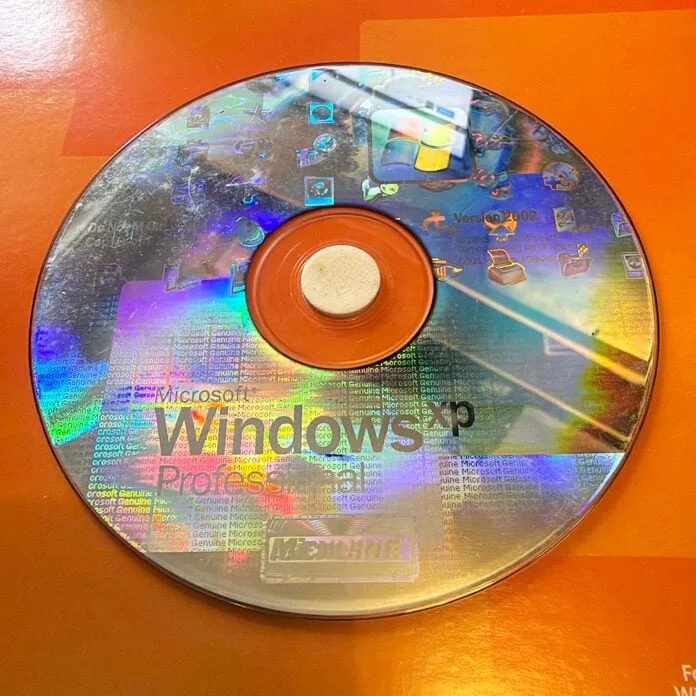
The infamous FCKGW-RHQQ2-YXRKT-8TG6W-2B7Q8 key, a staple of pirated Windows XP installations written on marker-inked CD-Rs for years, finally has a backstory. Dave Plummer, a former primary author of Microsoft's Windows Product Activation (WPA), has shared details on X regarding how this legendary key leaked and the unexpected role played by Microsoft Bob.
The Mechanics of the Leak
As explained by Dave Plummer, the issue wasn't a flaw in the key's mathematical validation, but rather a timing error in distribution. In 2001, Microsoft produced two types of media: Retail and Volume Media for large enterprises. The latter allowed businesses to activate multiple offline PCs without individual hardware binding.
The leak occurred because manufacturing partners received the OS on August 24, 2001, well before the official October release. Five weeks later, the warez group DevilsOwn leaked a Windows XP Pro Corporate ISO alongside the FCKGW key. Because the key passed the initial validation math and WPA simply skipped hardware-binding for volume media, the installation appeared entirely legitimate, even during early Windows Update checks.
Dell, Intel, and the Microsoft Bob Connection
Since only a few organizations had access to Volume License Keys (VLK) that early, Plummer suggests the leak likely originated from a major OEM or hardware partner. Dell is the name most frequently cited, though Intel has also been mentioned in relation to subsequent source dumps.
A fascinating technical detail involves the use of Microsoft Bob data as a security measure. To ensure the key matched the correct media, Plummer embedded a 10MB block of entropy-stripped data into the Volume installation discs. This data was derived from Microsoft Bob, which was compressed and encrypted multiple times to create a hash used for validation. Standard retail discs lacked this specific data block, which is why the FCKGW key failed to work on legitimate retail copies.
Гика
