
Tencent's Strategy: Live Service, AI, and Evergreen Titles
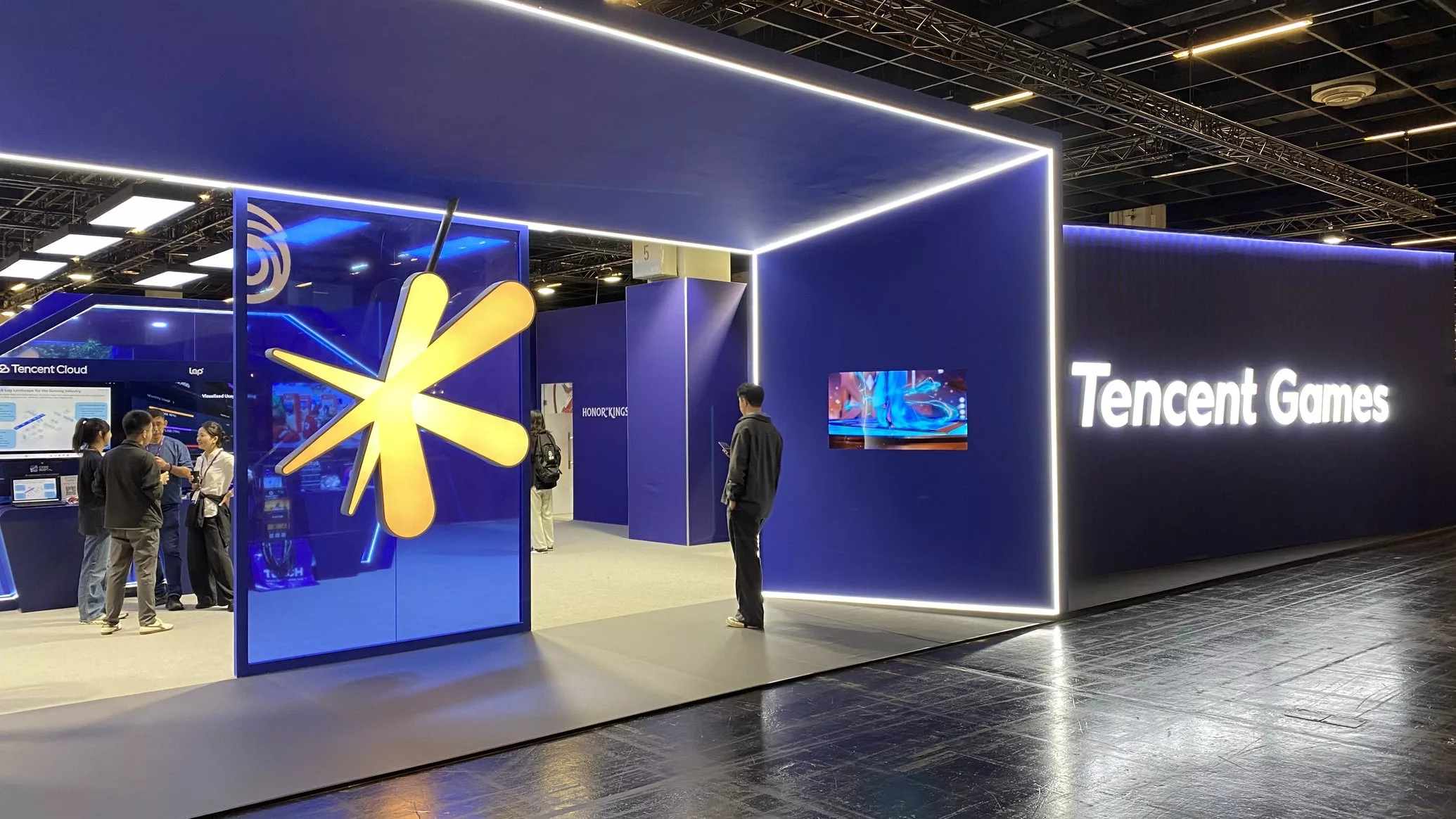
Tencent is not retreating from the live-service model despite recent industry setbacks, according to Yong-yi Zhu, VP and head of operations, strategy and compliance at Tencent Games. In a detailed interview with GamesIndustry.biz, Zhu outlined the company’s long-term strategy, which prioritizes sustainable community building, high-quality talent, and the strategic use of AI tools to enhance development efficiency rather than replace human creativity.
The gaming industry has recently witnessed a wave of skepticism toward live-service titles. High-profile failures, including the reported collapse of Highguard—a project backed by TiMi Studio Group, a Tencent subsidiary—have led many to question the viability of the model. While companies like Sony have faced significant losses in this space, and others like Capcom have maintained stability by sticking to traditional release cycles, Tencent remains committed to the promise of recurring revenue and long-term engagement.
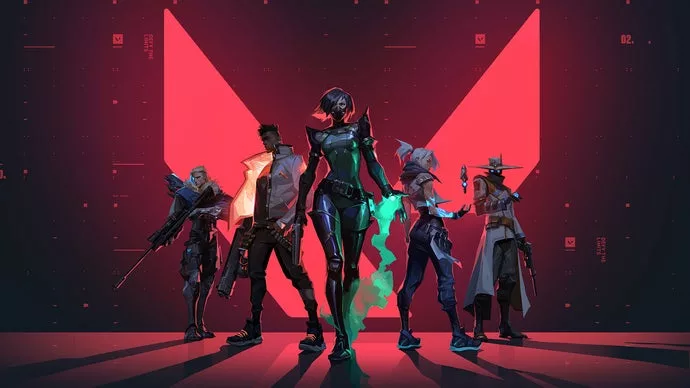
“I think our holy grail is live service, right?” Zhu stated. He pointed to the company’s core DNA, citing Honor of Kings, League of Legends, and Valorant as foundational examples. These titles are not just products but ecosystems that build upon themselves, providing financial stability to the studios and fostering deep community connections. Zhu emphasized that the modern gaming landscape is shifting away from short-term engagement toward games that become a part of players’ lifestyles.
Strategic Portfolio Adjustments
Since the last major conversation with GamesIndustry.biz nearly a year ago, Tencent’s portfolio has undergone significant changes. Several UK-based studios, including Splash Damage and Bulkhead, have gone independent, following similar moves by The Chinese Room and Secret Mode earlier in 2025. Zhu acknowledged that while Tencent has invested in numerous studios, not every acquisition results in a successful integration. “There are certain situations where we acquire a studio and actually we have trouble integrating them because of market conditions or cultural differences,” he explained. “Not everything, at the end of the day, is going to be a slam dunk.”
The decision to allow these studios to operate independently was driven by a lack of synergy. Zhu noted that the partnership had to make sense for both parties. In some cases, the games did not align with Tencent’s long-term strategy, or the studios found better opportunities elsewhere. Ultimately, Tencent determined that these entities were “better standalone than they are with Tencent.” This approach reflects a pragmatic view of portfolio management, where the goal is to support studios that can thrive under the company’s umbrella while releasing those that cannot.
The Evergreen Philosophy
While live service is a central pillar, it is not the sole focus of Tencent’s strategy. Zhu described the company’s broader aim as building “sustainable communities long-term” and creating games that continue to engage players over time. This includes both single-player and multiplayer titles, with the former being well-represented in the company’s mobile games portfolio. The concept of “evergreen” titles is key here. Zhu cited Call of Duty as an example of an evergreen IP, noting that even though it is released in successive versions, it maintains a consistent audience and cultural relevance.
The ultimate goal is consistency and stability. Zhu observed that many premium game companies have experienced significant ups and downs, often leading to layoffs after a game’s launch. In contrast, Tencent aims to bring stability to its operations. “You typically don’t see Tencent doing the same thing,” he said, referring to the cycle of massive hiring followed by large-scale cuts. This stability is achieved by investing in “really high quality talent” and ensuring that there is a strong synergy between Tencent and its partner developers.
Global Studio Support
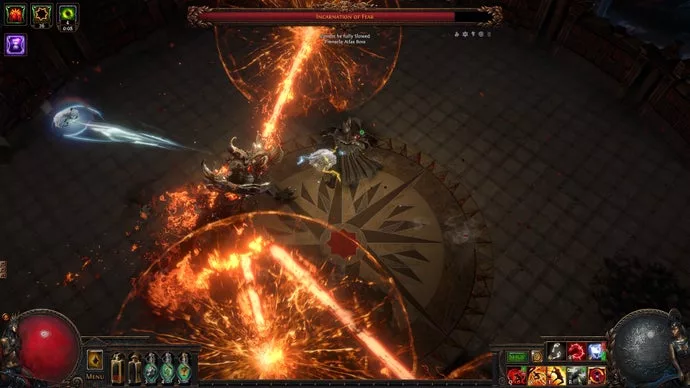
Zhu oversees operations and strategy for Tencent’s global games business, which includes approximately 20 studios. This diverse portfolio spans Europe, North America, and New Zealand, featuring studios such as Miniclip, Sumo Digital, Funcom, Fat Shark, Sharkmob, 10 Chambers, Stunlock Studios, Digital Extremes, and Grinding Gear Games. His primary focus is not on where the company is heading next, but on ensuring that these studios are successful in their upcoming launches.
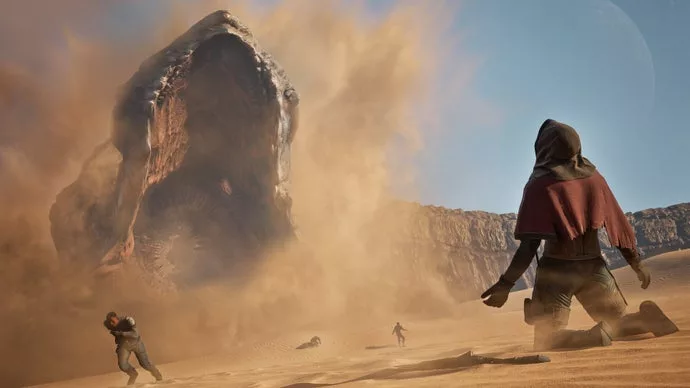
This support involves leveraging the wider Tencent ecosystem to provide expertise in regional publishing, technical support, testing, backend services, and data analysis. Zhu explained that Tencent has extensive experience in the domestic Chinese market and is now translating that expertise into the global market. For example, experts from across China and Europe were brought in to assist with Dune Awakening, a title developed by Funcom. These experts worked alongside the developers to solve specific issues, and in some cases, they remained with the studio as permanent employees if the collaboration was successful.
While creative and artistic design is largely left to the individual studios, Tencent steps in to address common technical challenges, such as issues with Unreal Engine, or to assist with publishing in specific regions like the Middle East and North Africa (MENA) or Southeast Asia. This targeted support allows studios to focus on their core strengths while benefiting from Tencent’s global infrastructure and expertise.
Scale and Studio Autonomy
The question of scale remains a point of discussion in the industry. Funcom, for instance, underwent redundancies in October of the previous year and closed its subsidiary The Outsiders, the developer of Metal: Hellsinger. At the time, Funcom stated that the aim was to focus internal resources on releasing new content and features for Dune Awakening. This raises the question of whether Tencent is prioritizing larger, live-service titles over smaller projects.
Zhu clarified that the approach depends on the individual studio. Funcom had already been running the live-service title Conan Exiles for a long time before Tencent acquired the studio, making live service a natural part of its DNA. However, other studios in the portfolio that attempted live service found it did not work out and have since focused more on premium titles, which have been their traditional strength. Tencent’s goal is to help build studios that are “best in class in their craft, whatever that might be.”
Addressing claims that Tencent only invests in large-scale projects, Zhu disagreed. He noted that Tencent looks at games across all scales. “I don’t think there’s anything that’s stopping us from making smaller games,” he said. “We do have small games in our portfolio.” He cited Larian Studios and From Software as “north stars” in terms of studio investment, noting that both companies have built up their games over time, with not all titles being massive hits, but all being purposeful and contributing to the growth of their audience and craft.
External Development and Location
In the previous year, Zhu discussed the idea of creating Chinese support teams to better integrate Tencent’s Western and Chinese operations. However, he acknowledged that progress on this front has been slower than desired, partly due to challenges working across different time zones. Instead, the focus has shifted to instilling learnings from different studios across the group.
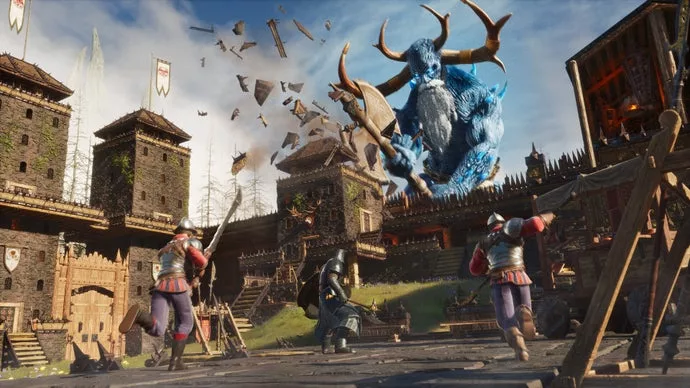
Zhu sees a future in the model of smaller, core teams being supplemented by external development, a model that has worked well for titles like Star Wars: Galactic Racer. “At a high level, I think that makes sense,” he said. The decision on how many people to keep on staff versus leveraging from outsource vendors depends on the specific needs of the project. For example, if a project requires high-precision work on intricate elements, it may be beneficial to have those individuals in a specific location working together. This decision is largely left to the studio head.
Location has proven to be a key factor in outsourcing. Some teams are comfortable working with distant partners, while others prefer help in the same time zone. Sumo Digital, for instance, is potentially going to support Tencent’s studios in Europe due to its proximity, although being in the UK is not the cheapest option. Zhu agreed with the observation that North America is becoming a tougher place to operate, unless a studio has a very solid development team that has worked together for a long time. He cited his previous experience at Activision, where the team was based in the Santa Monica area and had delivered content consistently over many years. However, for support teams, it does not make sense to be in such an expensive part of the world.
The Role of AI in Development
The recent Gamescom Opening Night Live featured a large number of highly polished games from Chinese studios, prompting questions about a potential power shift in the games industry from West to East. Zhu, who was born in China, expressed hope for this shift but noted that the reality is that games like Black Myth: Wukong have inspired developers to create high-quality content for console and PC. “I think a lot of Chinese developers are like, ‘I know how to make high quality mobile games’, and now they’re like, ‘Oh, this is what good looks like for console and PC’,” he said. This shift is partly due to better tooling, including AI, which helps developers iterate more effectively.

For Tencent, AI is not about replacing people but making them more effective and efficient. Development teams can be smaller while still producing higher-quality content and iterating more quickly. “We like our family feel of 30, 40 people, but now we’re able to make higher quality things, and iterate more, and come up with cooler looking – whatever it is that they’re designing,” Zhu explained. He noted that Chinese developers are generally more open to using AI as a tool, while Western developers may be more reluctant due to ethical concerns, copyright worries, and player backlash.
“I think people should just not be afraid of AI,” Zhu said. “It’s like the internet, it’s coming.” He emphasized that AI should be viewed as a genuine tool that can assist in various aspects of development, from coding and art to production management. For example, AI can be used for concept art, rigging, motion matching, and code review. Even production management tools can utilize AI bots to streamline tasks. However, Zhu acknowledged that there are still difficulties to work through, particularly regarding the copyright status of content produced via generative AI.
Tencent is careful to ensure that AI tools are used in a way that protects its intellectual property. “Let’s say the AI is only using our own libraries, right? That makes it very easy, because that’s our IP, we’ve done it in the past, and they’ve remixed that content into something else,” Zhu explained. The company has agreements with tool providers to ensure that data does not end up being accessible outside the building. “What we don’t want is our developers creating things that then get picked up from somewhere else, and then suddenly you’ve got versions of our things in a different game.”
Conclusion
Tencent’s strategy is characterized by a balance of ambition and pragmatism. While the company is committed to the live-service model, it is also open to supporting studios that excel in other areas, such as premium titles or smaller-scale projects. The use of AI is seen as a tool to enhance efficiency and creativity, rather than a replacement for human talent. By leveraging its global ecosystem and expertise, Tencent aims to provide stability and support to its partner studios, helping them to build sustainable communities and engage players over the long term. As Zhu noted, the ultimate goal is to keep people engaged and ensure that they are having fun, which ultimately translates to the bottom line.
With the backing of its vast parent company, Tencent Games is in a position to experiment and place bets on a wide variety of products and studios. While it has recently retreated from some partnerships and redirected others, the company continues to invest in new opportunities, such as its minority investment in W4, the commercial development partner of the Godot engine. The throughline in all of these moves is engagement, whether via live service or other means. As the industry continues to evolve, Tencent’s approach offers a model for how large companies can support diverse studios while maintaining a focus on long-term sustainability and player satisfaction.
Цифра
