

Exodus Gamescom Preview: A Promising Mass Effect Successor
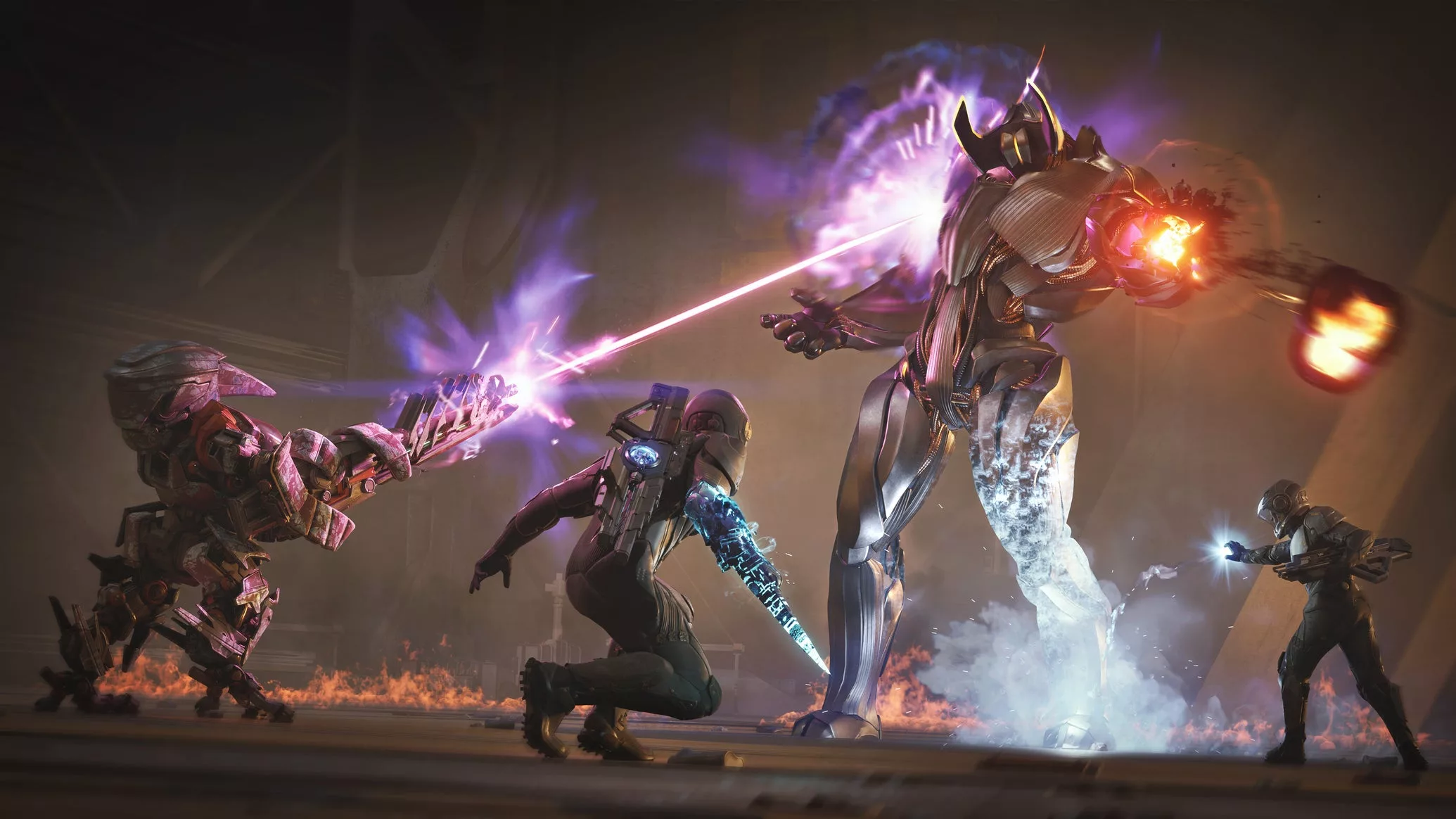
During a 45-minute hands-on session at Gamescom, Exodus presented itself not as a direct clone of Mass Effect, but as a distinct sci-fi RPG with a strong emphasis on tactical combat and long-term narrative consequences. Developed by Archetype Entertainment and published by Wizards of the Coast, the game is set 40,000 years in the future and follows Jun Aslan, a protagonist who serves as an evolutionary bridge between humans and the genetically engineered Celestials. The preview build demonstrated a blend of third-person action, stealth mechanics, and a companion system that offers genuine tactical depth, all underpinned by a unique time dilation mechanic that reshapes the game’s hub world based on player choices.
The relationship between Exodus and the Mass Effect franchise is one of spiritual succession rather than direct lineage. While the game draws from the same creative wellspring, it aims to carve out its own identity through specific mechanical innovations and a distinct narrative tone. The preview session at Gamescom provided a clear window into how Archetype Entertainment intends to balance the genre’s traditional pillars of shooting, exploration, and dialogue with a more complex layer of strategic decision-making. The result is a game that feels ambitious in scope, particularly in how it handles the passage of time and the ripple effects of player agency.
Setting and Narrative Context
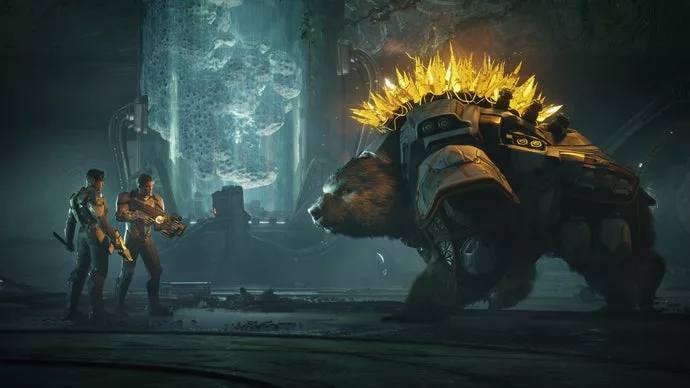
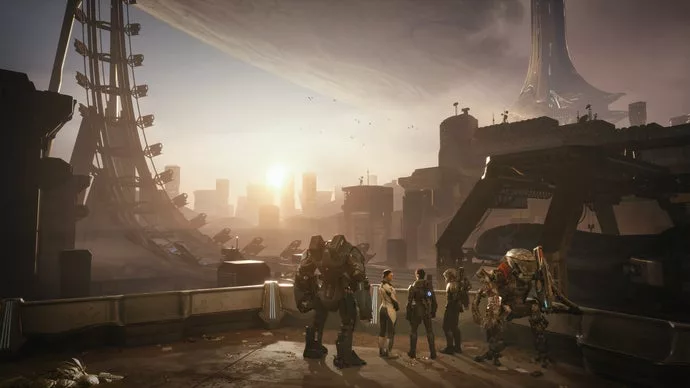
The story of Exodus takes place in the year 42530, focusing on Jun Aslan and their quest to save the home planet Lidon from a Celestial techno virus. The demo begins with the party attempting to infiltrate Khonsu, a defense platform orbiting Lidon. The crew consists of Jun, pilot and mechanic Kara Voss, Parliament of Ravens operative Suliman Tenjin, weapons expert Elise Charroux, and Salt, an Awakened Octopus mercenary. The lore surrounding the Awakened is particularly interesting; they are described as upgraded, highly advanced animals who have long been looked down upon by humans and are now seeking their own place in the world. This dynamic is further illustrated by the presence of Houston, a wolf who is Jun’s adopted brother.
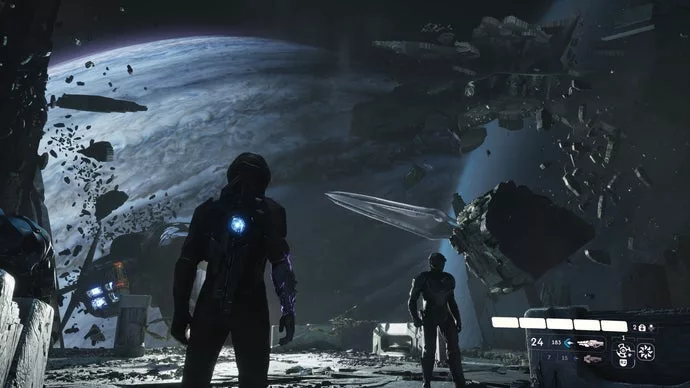
The aesthetic of Khonsu deliberately moves away from the polished metal typical of sci-fi settings. Instead, the station features cavernous sweeping curves on the exterior and interiors structured from livestone, a key substance in the game’s lore. This material resembles the hexagonal structural jointing found in Northern Ireland’s Giant’s Causeway. This visual choice is not merely cosmetic; it is integral to the gameplay, as Jun possesses the ability to manipulate livestone. This allows the player to summon elevated platforms, conjure walkways over impassable chasms, and interact with the environment in ways that blend puzzle-solving with traversal.
Combat Mechanics and Player Agency
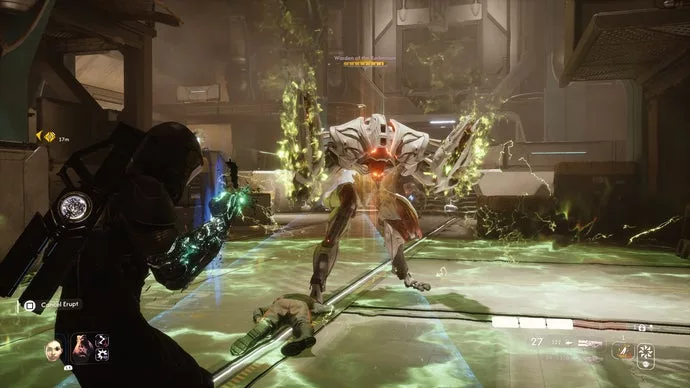
The combat system in Exodus is built around a core of cover-shooting, but it expands significantly through skill trees, weapon versatility, and a companion system that feels more akin to real-time tactics than standard RPG support. The demo featured a linear series of combat events against the Ghosts, abandoned automated soldiers who remain unaware that the war they were built for has ended thousands of years ago. Each Celestial faction’s ghosts have their own tactics and builds, adding variety to the encounters.
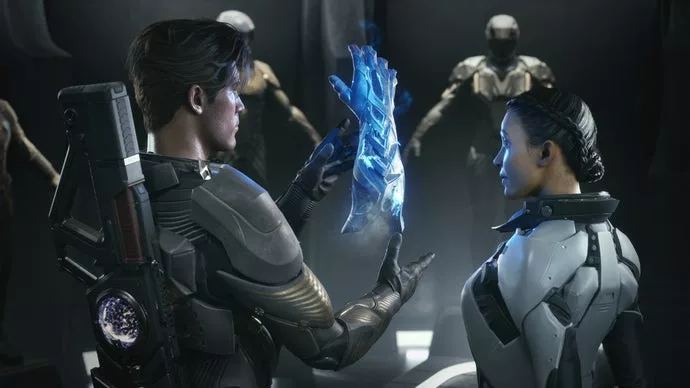
Jun’s primary weapon, the Recycler, can switch between four distinct modes on the fly: the rapid-fire Repeater, the semi-automatic Piercer, the close-range Shredder, and the Spectre, which functions as a silenced crossbow. This flexibility allows players to adapt their approach to different enemy types and situations. Additionally, Jun has access to a cooldown-based Erupt move, which sends shockwaves along the ground to launch enemies into the air, creating breathing room in intense firefights. Later in the demo, Jun upgrades their gauntlet to gain Petrify, a ability that temporarily encases targeted enemies in livestone, immobilizing them and allowing for unimpeded attacks. This ability also has utility in puzzle-solving, as it can stall machinery.
The companion system is a standout feature, offering genuine tactical depth. Each companion has their own distinctive skillsets, consisting of cooldown abilities and action-driven Ultimates. Suliman is a stealth-focused ally whose Vendetta ability allows players to target enemies for a sneak attack from behind. Elise is an aggressive force built around heavy firepower, capable of raining down micro-missiles in various forms, including a "bombastic" Ultimate. Salt occupies a middle ground, able to shroud enemies in fog to limit their vision. All companions can unlock Focus Fire early on, which allows them to request help with a specific enemy; if the player complies, their Ultimate meter fills faster. This creates opportunities for synergies, where one companion sets up an attack while another delivers a finishing move.
Players can have two companions fighting alongside them at once, but all companions are technically present and can be freely switched out at waypoints. This flexibility ensures that players are not locked into an earlier decision if a particular companion selection isn’t working out. Waypoints also serve as multi-purpose checkpoints, providing a place to turn scrap into telepacks, grenades, or special combat abilities. Each companion has their own upgrade path, giving players further choices about how to evolve them. As narrative director Drew Karpyshyn notes, the goal is to give players a strong axis of agency in how they fight.
Choice, Consequence, and Time Dilation
One of the most ambitious aspects of Exodus is its approach to choice and consequence, particularly through the use of a time dilation mechanic. The game respects the rules of relativity, meaning nothing can travel faster than light. At critical story points, Jun and the crew must travel to distant worlds years outside of their home system. Because travel is near faster-than-light, these missions may take only a couple of days for the team, but years or even decades may pass back on Lidon. This creates a dramatic shift in the game’s hub area, allowing the developers to showcase the long-term impacts of player decisions.
Between missions, players engage in a loop of preparation, securing alliances and building up their dynasty to keep things in place during their long absences. The game’s structure begins linearly but branches out across various paths defined by player choices. To help players navigate these decisions, Exodus features a Breakpoint system that shows images and hints of what the future might hold depending on the decision made. If players invest more points in Jun’s precognition abilities, they can improve their ability to prognosticate and predict outcomes. This adds a layer of strategic planning to the narrative, as players must constantly try to steer things back on course in unexpected situations.
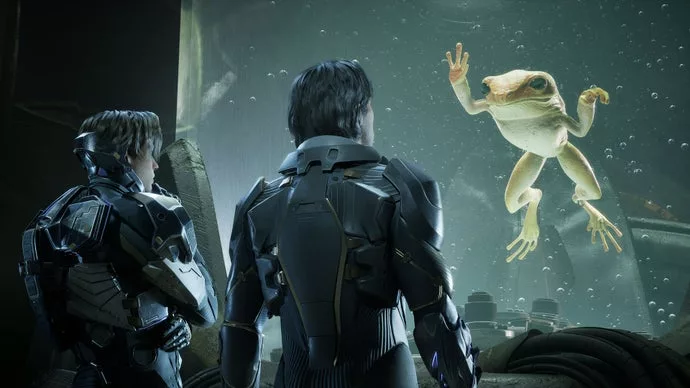
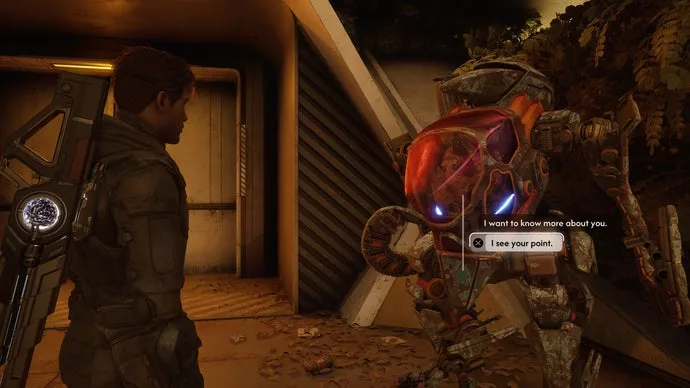
The demo included several examples of these choice points. One minor choice involved saving a dying soldier, which could lead to that character coming into play later. A more significant choice toward the end of the mission forced players to decide whether to save the Kay, a frog-like Awakened species, or leave them to their fate on Khonsu. This decision would either bring the player closer to Suliman or cause a fracture in their relationship. As general manager Chad Robertson explains, the team is particularly keen on choices with an emotional element, as they have multiple layers and require players to think about the implications of siding with one person over another.
Editorial Assessment
The 45-minute preview of Exodus left a strong impression of a game that is both mechanically robust and narratively ambitious. The combat system, while rooted in familiar cover-shooting mechanics, is elevated by the depth of the companion system and the versatility of Jun’s abilities. The integration of livestone into both the environment and the combat system is a clever touch that adds a unique flavor to the gameplay. The time dilation mechanic is a bold choice that has the potential to make Exodus stand out in the sci-fi RPG genre, offering a fresh take on how player choices can reshape the world.
However, the game’s success will ultimately depend on how well these systems work together over the course of a full playthrough. The demo provided a glimpse of the potential, but there is still much to see in terms of how the narrative branches and how the long-term consequences of choices are implemented. The tone of the game, which mixes humor with serious sci-fi elements, is promising, but it will need to be sustained throughout the entire experience. For now, Exodus appears to be a strong contender in the genre, with a clear vision and a set of mechanics that offer genuine player agency. Its release on April 7, 2027, on Xbox Series X/S, PS5, and PC (Steam) is eagerly anticipated by fans of the genre and those looking for a fresh take on the sci-fi RPG formula.
Зануда
