Starmind: SpaceX granted permission to launch one million satellites for AI
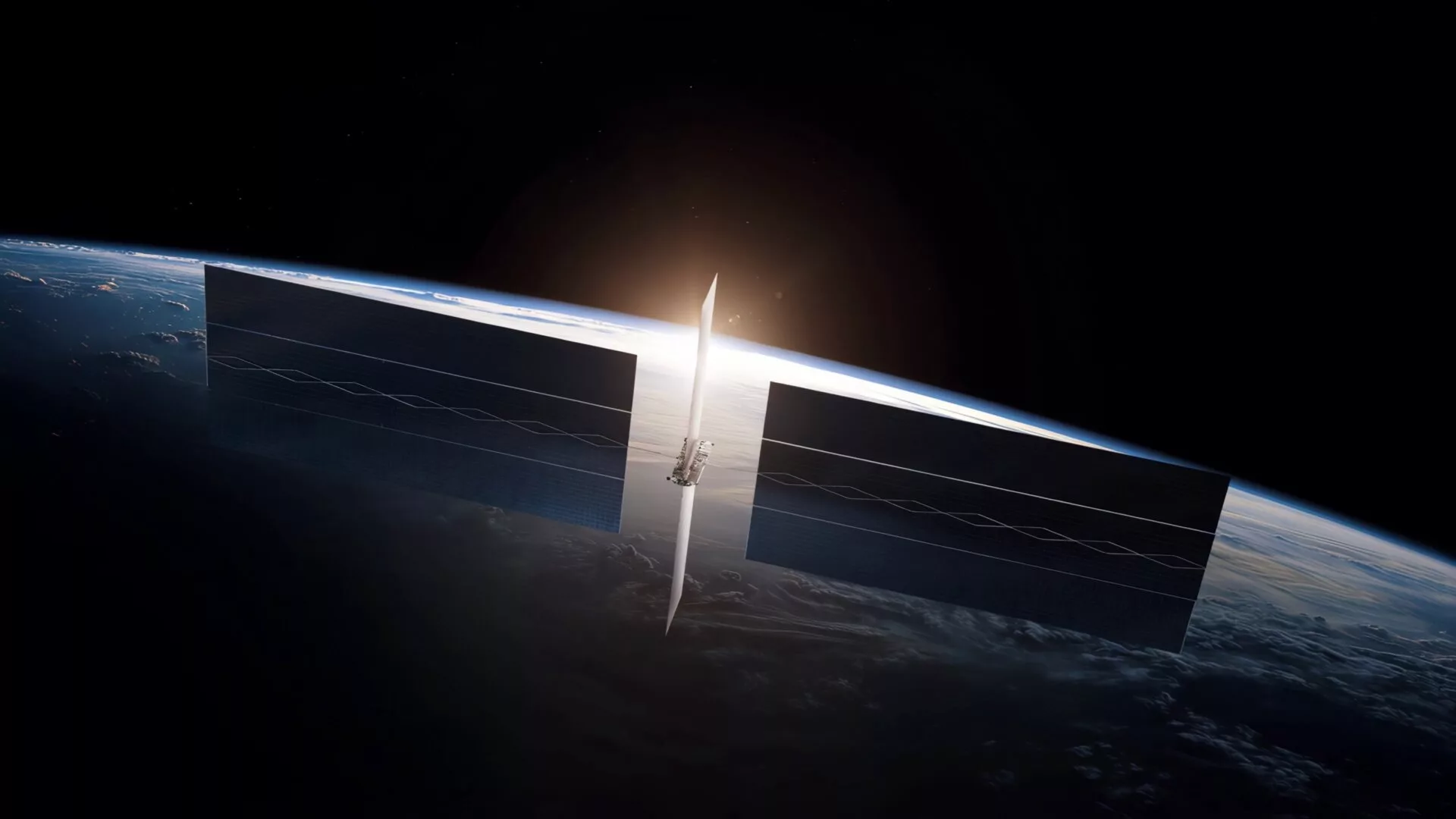
SpaceX is moving beyond internet connectivity and into the realm of orbital computing. The US Federal Communications Commission (FCC) has granted the company permission to build 'Starmind'—a massive constellation of up to one million satellites designed to function as orbital data centers. This ambitious infrastructure aims to process massive datasets directly in space to support the growing demands of artificial intelligence, though the regulatory approval comes with significant caveats regarding communication methods and end-of-life disposal.
The FCC's decision to authorize the Starmind constellation is rooted in what the agency describes as public interest and the strategic necessity of maintaining American leadership in both space exploration and artificial intelligence. Unlike the Starlink network, which focuses on providing broadband internet to Earth, Starmind is envisioned as a distributed computing infrastructure. These satellites will operate in Low Earth Orbit (LEO), distributed across multiple orbital planes at altitudes ranging from 500 to 1,002 kilometers. Specifically, the authorization covers orbital shells between 550 and 585 kilometers, as well as additional paths between 686 and 1,002 kilometers.
Optical Interconnects and Radio Frequency Backups
A critical technical detail of the Starmind architecture is its reliance on optical communication. According to the FCC, the primary method for transferring data between satellites will be via laser-based optical links. These links are intended to facilitate high-speed data movement within the constellation and are designed to be compatible with existing Starlink constellations. Radio frequency (RF) communication is relegated to a secondary role, serving as a backup for telemetry, tracking, and command (TT&C) or emergency situations if optical links fail.
The FCC has authorized the use of Ka-band frequencies for these backup RF links: 18.8 to 19.3 GHz for space-to-Earth signals and 28.6 to 29.1 GHz for Earth-to-space signals. However, this authorization comes with strict limitations. SpaceX is granted no protection against harmful interference from other operators and must immediately cease RF operations in the event of documented interference. Furthermore, SpaceX must coordinate with US federal agencies and other satellite operators before utilizing these frequencies to ensure no disruption to existing services.
Strict Deployment Milestones and Reporting
The scale of the Starmind project is matched by a rigorous regulatory timeline. The FCC has imposed a series of deployment milestones that SpaceX must meet to maintain its authorization. The company must have at least one satellite operational in the designated orbit by November 25, 2033. Following this, the rollout must accelerate: 10% of the total authorized constellation must be deployed by November 2035, 50% by November 2038, and the full million-satellite constellation must be in place by November 2040. Failure to meet these deadlines could result in the revocation of the permit.
To ensure transparency, SpaceX is required to submit semi-annual reports to the FCC. These reports must include data on orbital maneuvers to avoid collisions, the number of satellites decommissioned or re-entering the atmosphere, and the specific number of satellites utilizing the authorized Ka-band frequencies for ground station communication.
The Orbital Debris Dilemma
While the FCC has approved the deployment, the long-term disposal of these satellites remains a point of contention. For satellites operating below 600 kilometers, the FCC has accepted SpaceX's current mitigation plan, which involves controlled atmospheric re-entry and ocean-targeted descent. However, for the higher orbital shells (above 600 km), the agency has deferred a decision. SpaceX had requested permission to use alternative disposal methods, such as graveyard orbits (Earth or Sun-synchronous orbits), but the FCC ruled that the current application lacks sufficient information to evaluate the environmental and safety impacts of such methods.
This regulatory gap means that before any satellites are launched into the higher orbits, SpaceX must submit a revised disposal plan and obtain further approval. While SpaceX has highlighted its use of propulsion systems for orbital adjustments and collision avoidance, the FCC noted that these are company commitments rather than a guarantee that all risks of space debris are eliminated.
Industry Objections and Regulatory Scope
The proposal has not been without opposition. Companies such as Viasat and Kuiper Systems, along with the American Astronomical Society, filed objections citing concerns over radio interference and the impact of massive satellite constellations on optical astronomy. The FCC rejected these objections, stating that the requirements for SpaceX to coordinate with the National Science Foundation and the lack of priority for its RF operations sufficiently addressed the concerns. Additionally, the FCC clarified that its jurisdiction does not extend to evaluating the environmental impact of atmospheric heating or the economic viability of orbital data centers, leaving those issues to other regulatory bodies.