Legion Go Beam Leak Suggests Android Power for PC and Cloud Gaming
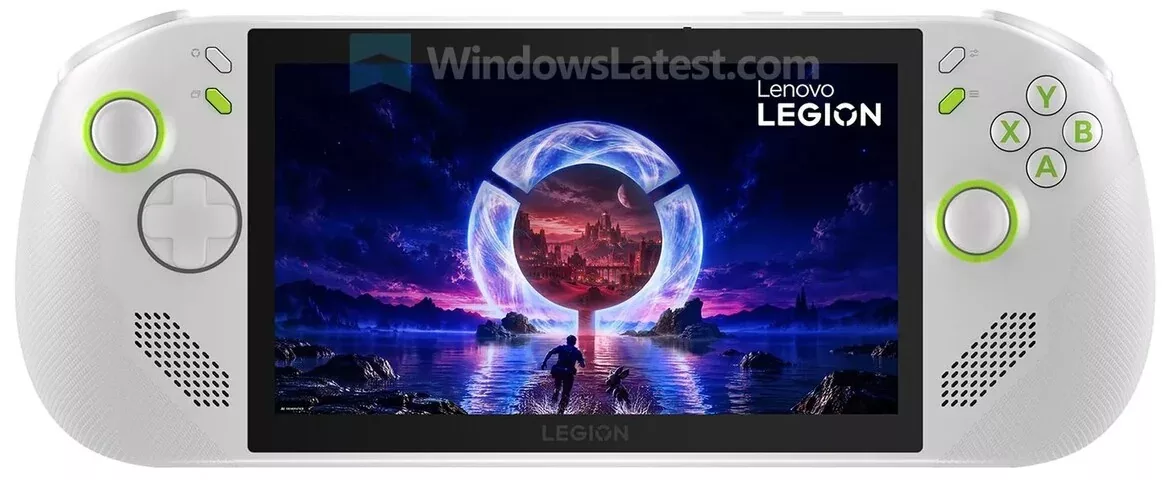
While early rumors surrounding Lenovo's upcoming Legion Go Beam pointed toward a Windows 11 or SteamOS-based handheld, new leaks suggest a significant strategic pivot. Instead of chasing raw local processing power, the Beam appears to be targeting the growing market for cloud gaming and remote play, potentially running on Android to provide a more affordable, battery-efficient alternative to flagship handheld PCs.
The shift toward an Android-based architecture would represent a major departure for the Legion Go lineup. High-end handhelds have become substantial financial investments, often commanding premium prices due to the hardware required to run AAA titles locally. By opting for Android, Lenovo could position the Beam as a budget-friendly companion device. This setup would cater to users who prefer streaming their existing PC library via tools like Moonlight or Steam Link, utilizing cloud gaming services, playing native Android titles, or engaging in retro emulation, all while maintaining a much lower entry price point.
Hardware Specifications and Design
According to the leaked information, the Legion Go Beam is expected to feature a 7-inch display with a 120Hz refresh rate. Under the hood, the device is rumored to be powered by the Qualcomm Snapdragon G2 Gen 1 chipset. Announced in August 2023, this SoC features an eight-core Kryo CPU and Adreno A21 graphics. While the Snapdragon G2 Gen 1 is not Qualcomm's most powerful gaming processor, it may be a calculated choice for a device optimized for streaming and long battery life rather than heavy local computation.
Visually, the leaked images depict a white chassis accented with lime-green details. The design includes thicker bezels around the screen compared to its predecessor, textured rear grips, and a set of physical buttons, including shoulder buttons and a pair of rear buttons (labeled Y1 and Y2). Notably, the device appears to lack the signature Legion touchpad found on the standard Legion Go.
Market Outlook and Availability
Lenovo has not officially announced the Legion Go Beam, nor has the company provided details regarding its pricing or a specific release date. However, with CES 2027 approaching in early January, a formal reveal in Las Vegas is highly anticipated. If Lenovo adopts an aggressive pricing strategy, the Beam could occupy a unique niche for players seeking a high-refresh-rate screen dedicated to streaming and cloud-based gaming experiences.