
Silent Hill: Townfall review — An ambitious experiment in the fog
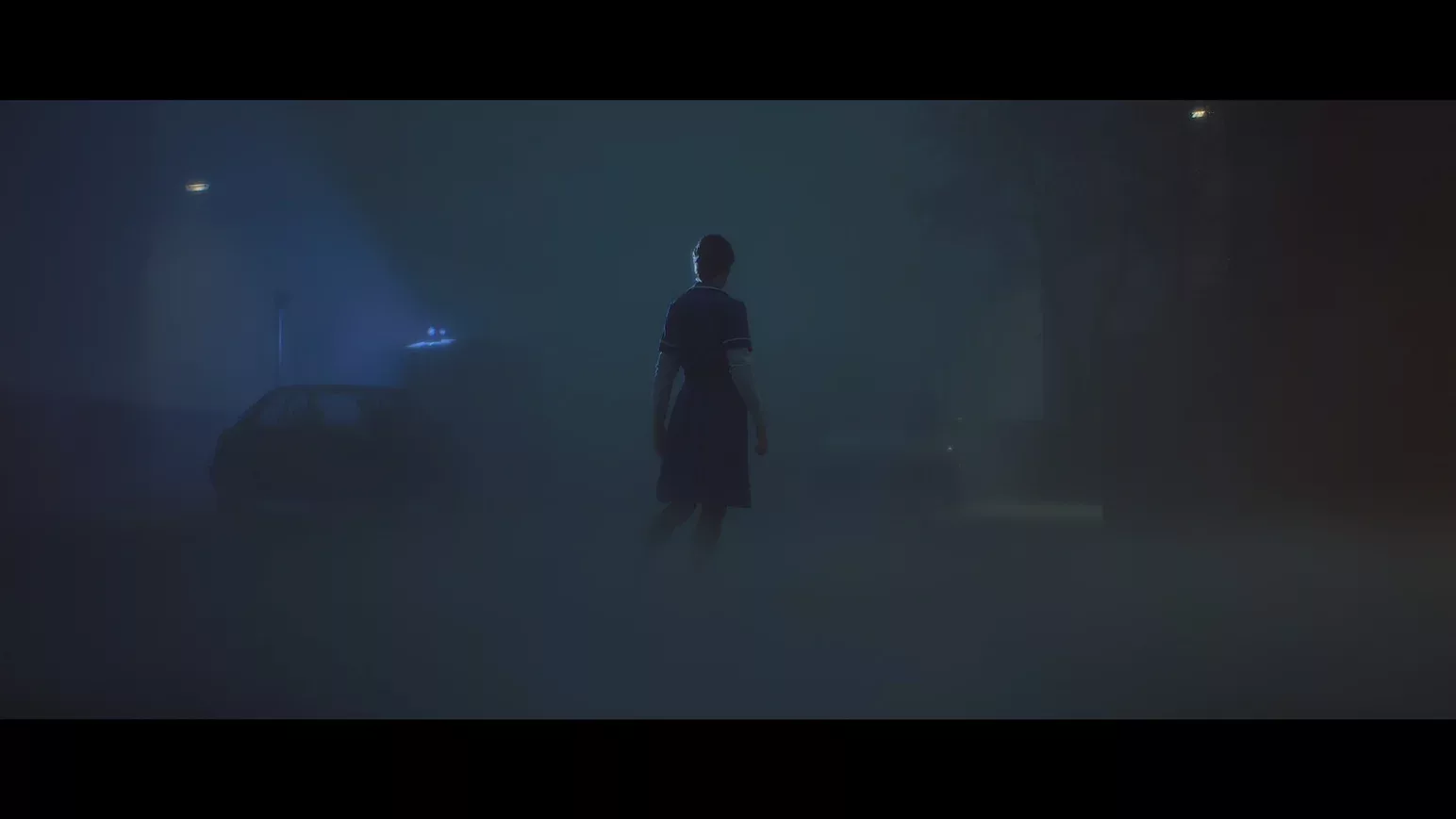
After Silent Hill f attempted a radical reimagining by shifting the series from North America to 1960s rural Japan, questions arose about whether the franchise was becoming a victim of its own constant reinventions. At first glance, Silent Hill: Townfall feels like a collection of classic tropes: a guilt-ridden man wandering through melancholy mists in search of a woman. However, beneath this familiar surface lies a project far more ambitious than its opening moments suggest.
Atmosphere and Social Realism
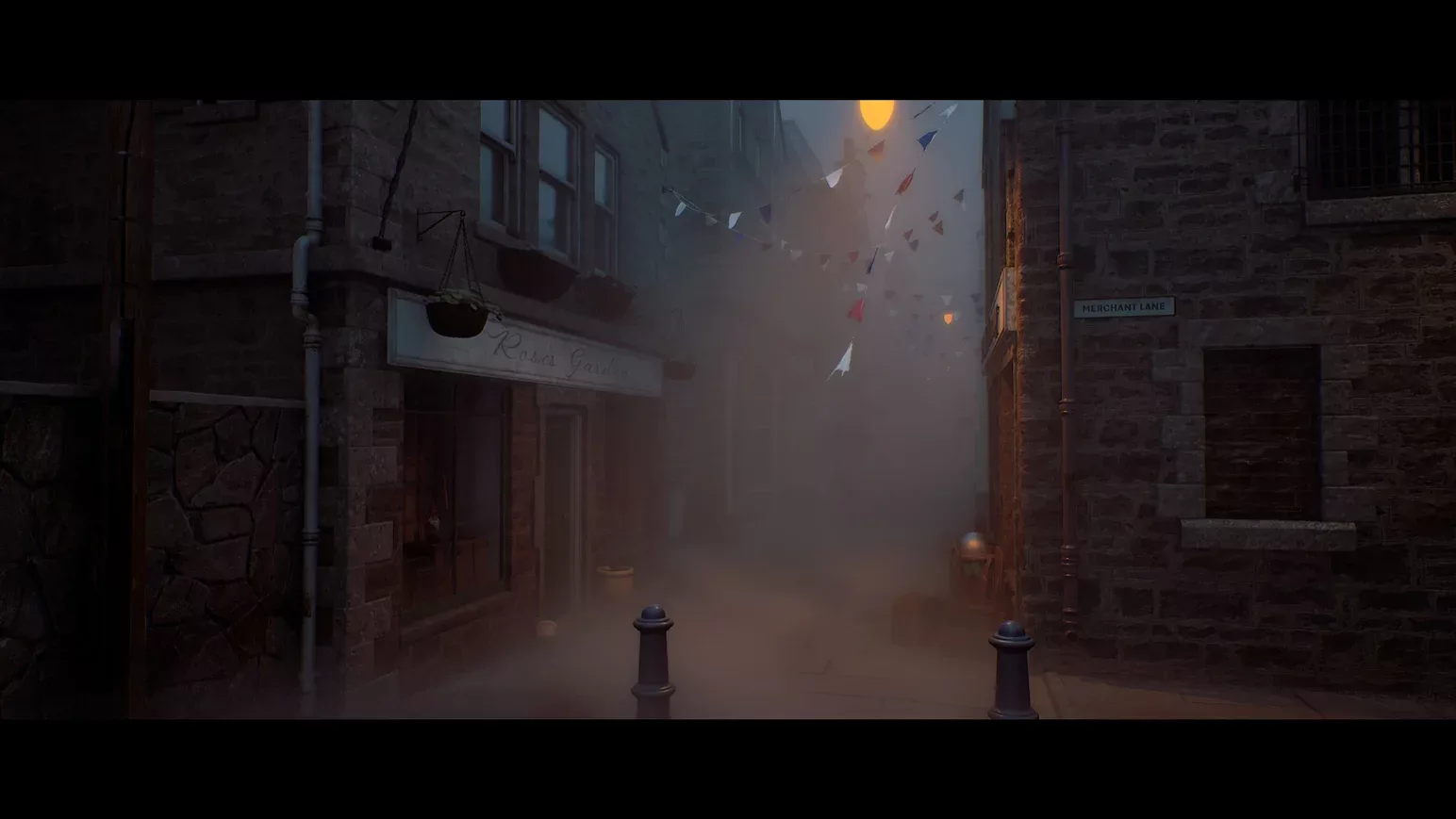
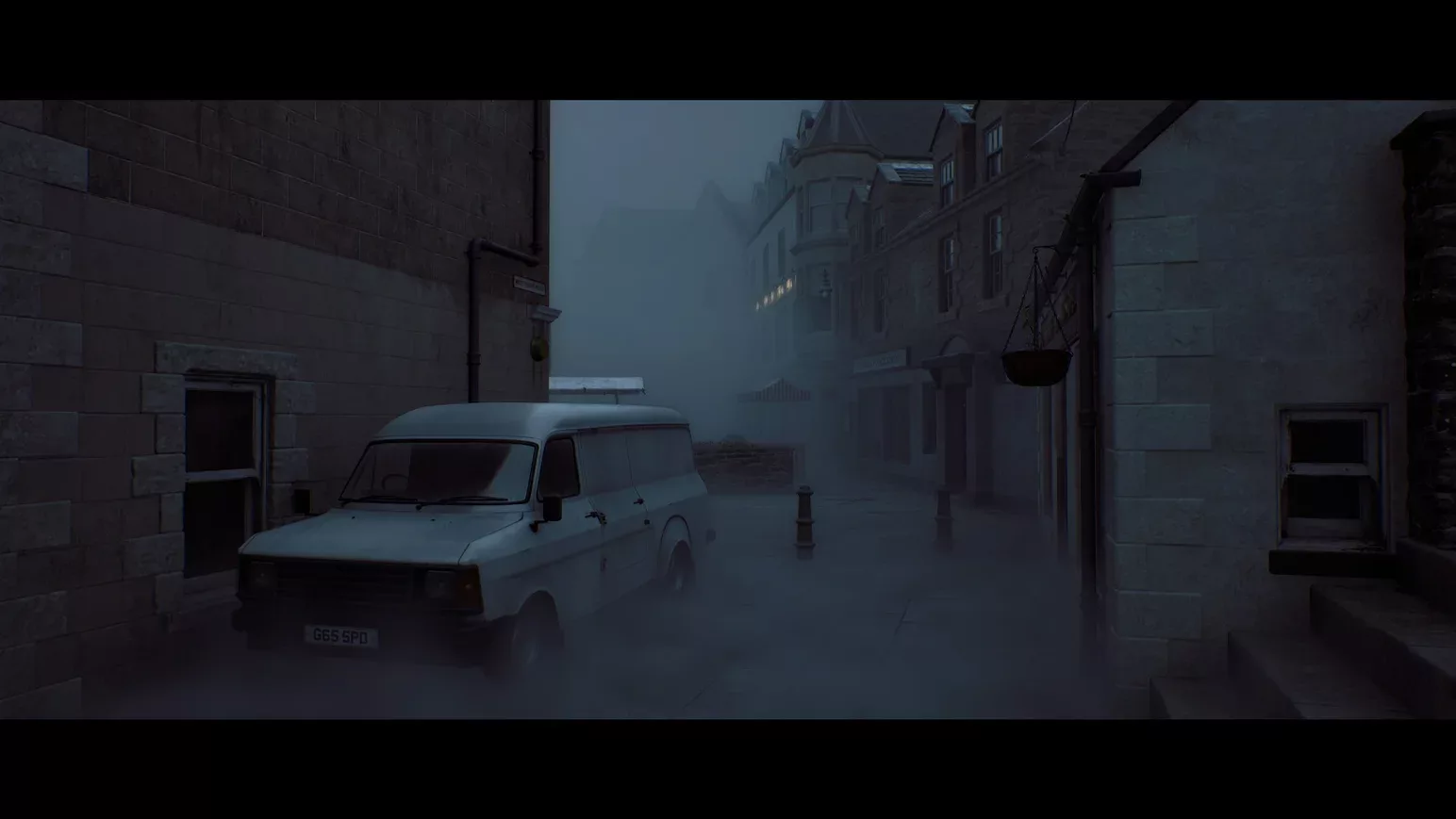
The setting shifts to St. Amelia, a small Scottish town on a remote island in the North Sea. Developers Screen Burn (the minds behind Observation and Stories Untold) have crafted an exquisitely realized space. You can practically taste the sea salt and feel the damp chill of the Scottish skies. St. Amelia is more than just a backdrop; it is a character in its own right, evolving from quaint, decaying shops and post offices to the stark, oppressive brutalism of the 1970s. The town feels lived-in, marked by 'for sale' signs and a sense of community in decline.
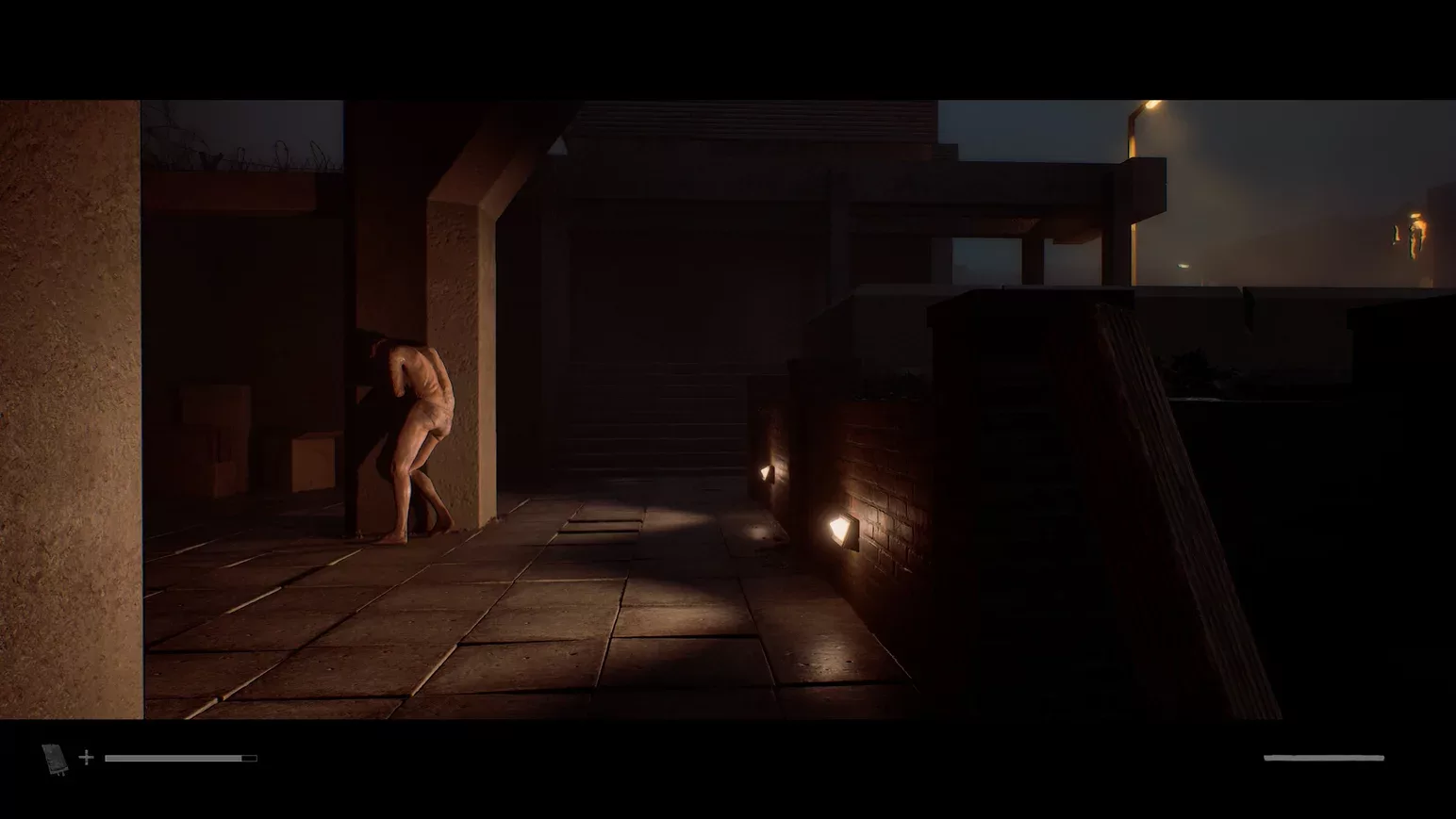
It is fascinating to watch Screen Burn reinterpret Silent Hill's iconography through a British lens. The series' signature hospitals become cramped NHS wards, and sprawling malls are replaced by stark concrete precincts. This world of fading industry is grounded in social realism, touching on themes of corporate exploitation and the trauma of essential workers. The horror here isn't just phantasmagorical; it is deeply tied to the fractured reality of the setting.
Gameplay: Stealth and the CRTV
Once the prologue concludes, the game shifts to a first-person perspective, making the player feel significantly more vulnerable. Combat is intentionally clumsy—melee swings feel heavy and desperate, and while a revolver eventually joins your arsenal, its slow reload speed makes direct confrontation a high-risk endeavor. This is a game that rewards stealth and careful movement over brute force.
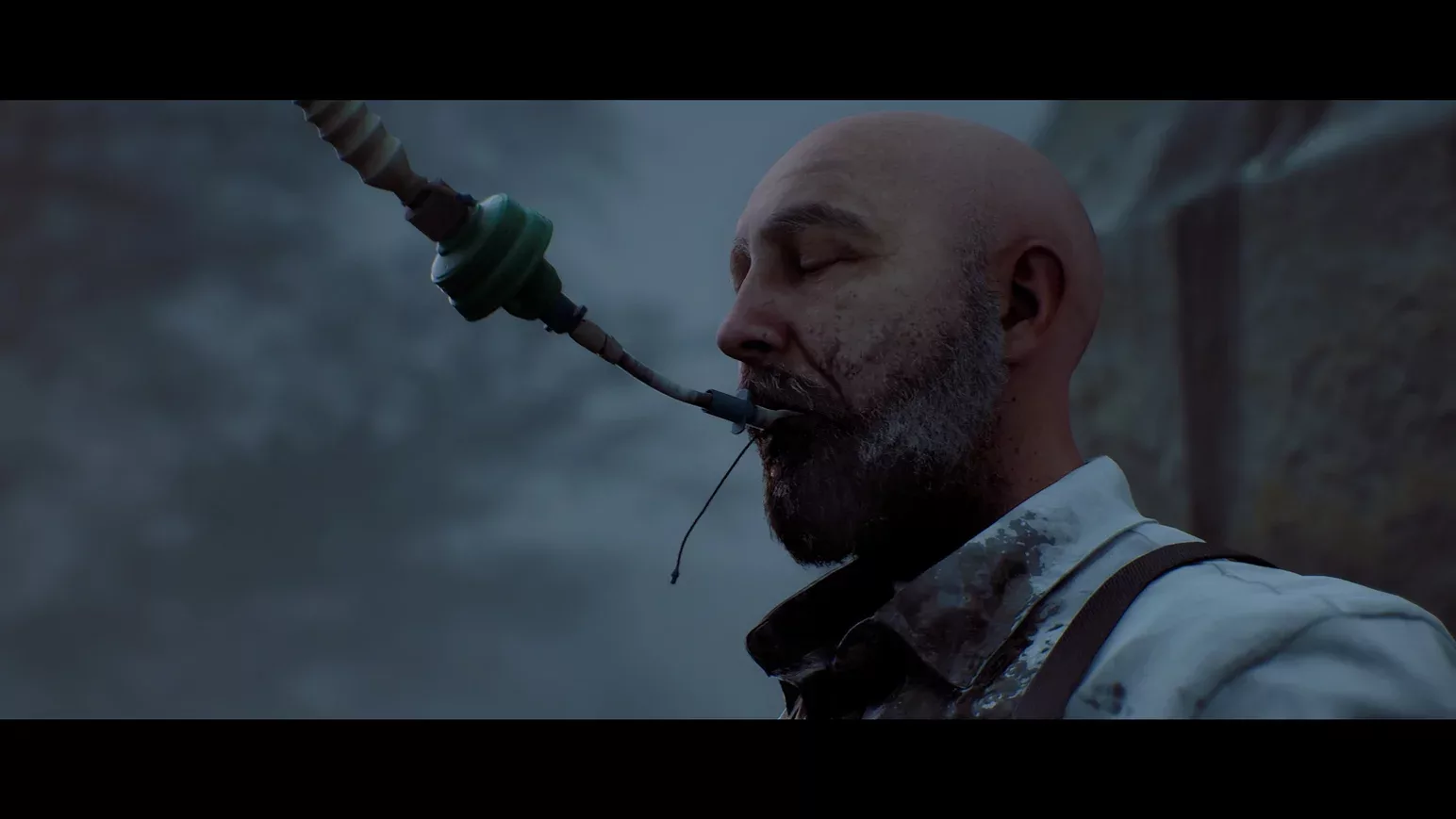
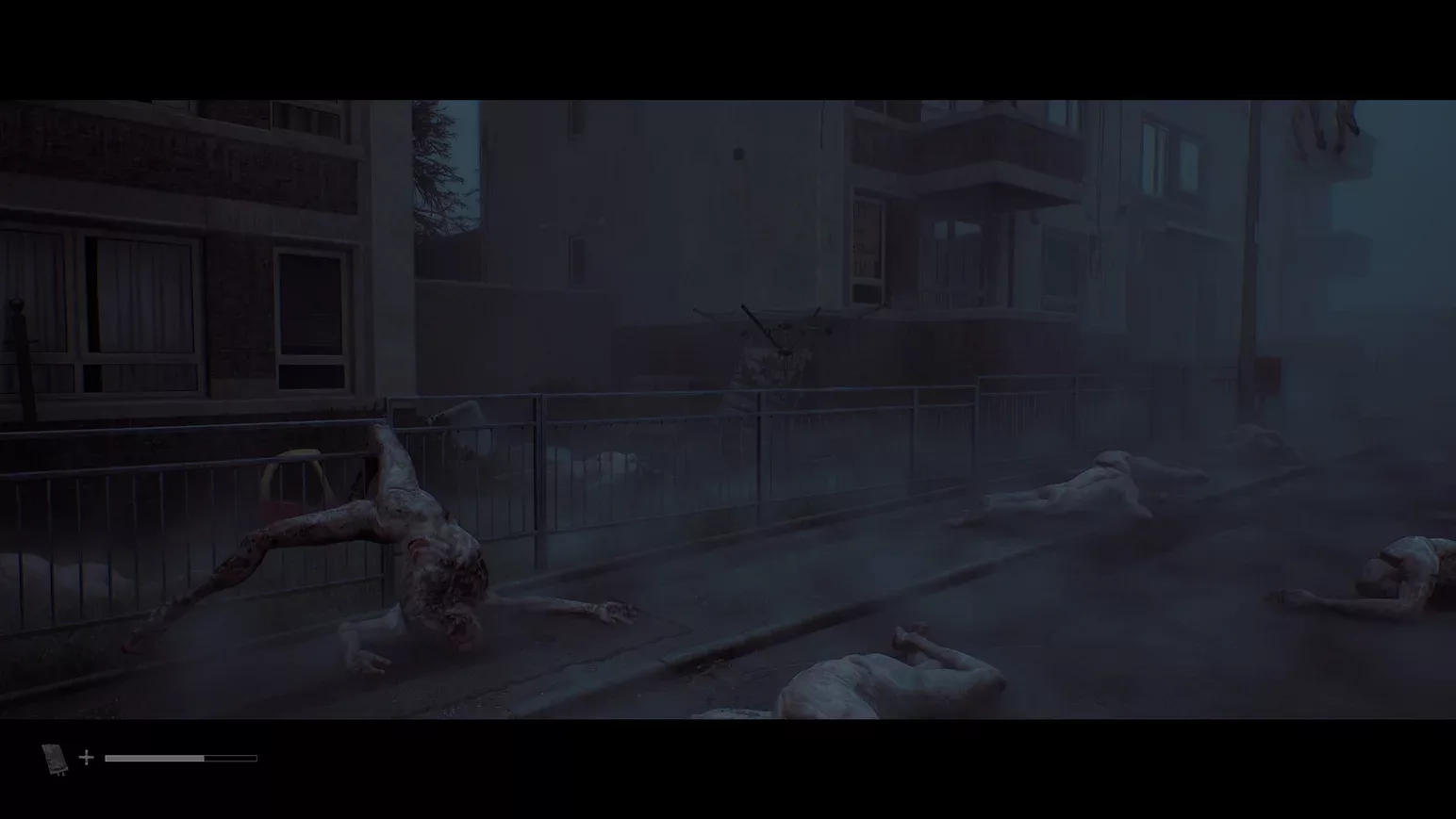
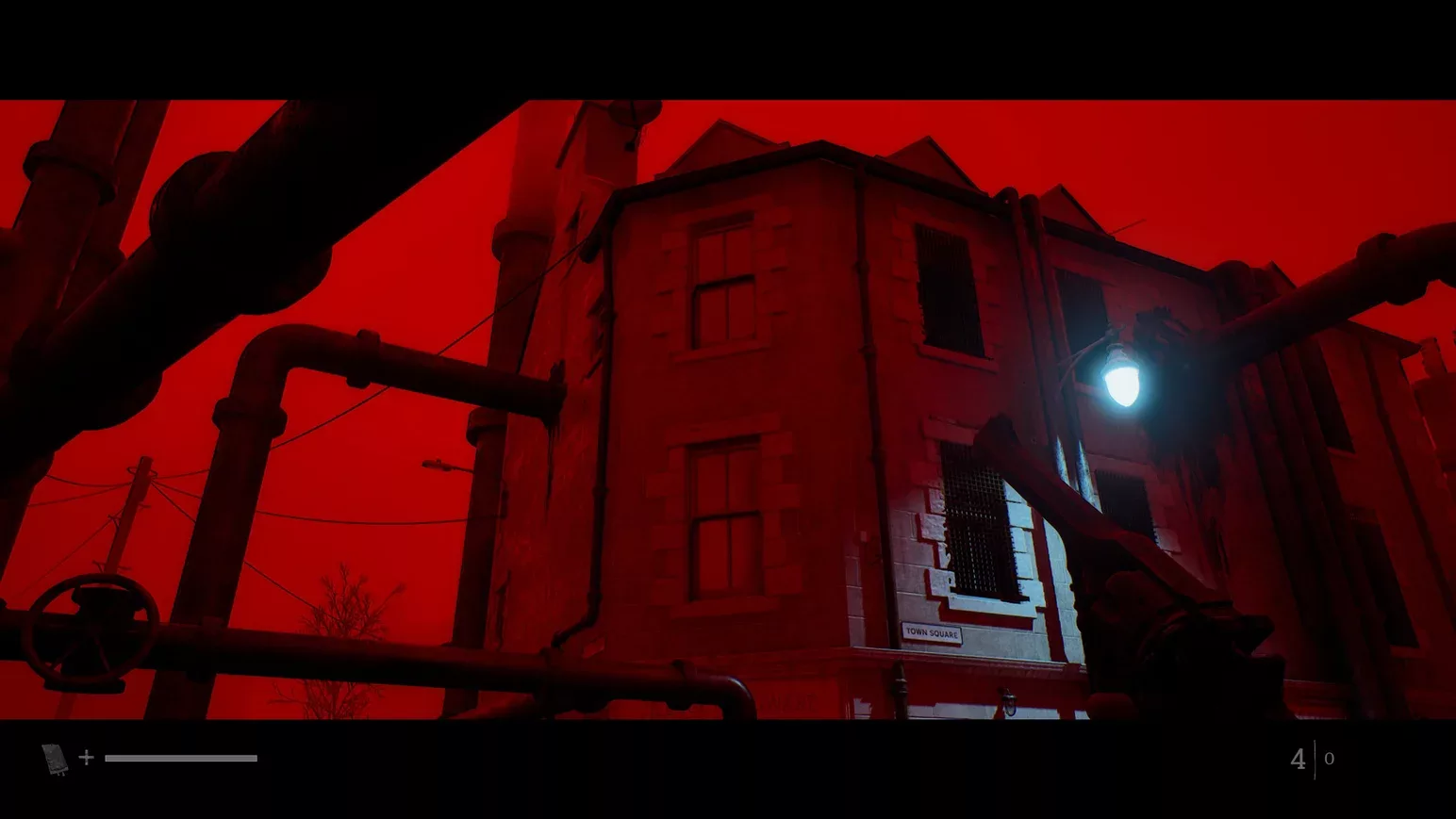
A standout mechanic is the CRTV—a hybrid between a Game Boy and a portable television. It serves as a modern evolution of the series' classic radio static. As you approach enemies, the device hisses with static, and once locked on, you can see a silhouette through the red noise. This creates a tense, fragmentary way of navigating the environment, reminiscent of the tension found in Keiichiro Toyama's Siren, where you must piece together the layout of a threat before you actually see it.
The game also plays with perspective through its narrative structure. Simon Ordell is an enigmatic protagonist, but the game reveals that he isn't the only playable character. This shift in perspective adds narrative depth but also subverts the player's sense of security; when you aren't playing as Simon, you lose access to the CRTV, forcing a much more intimate and terrifying form of stealth where you must rely on environmental cues like flickering lights or distant sounds.
Pacing and Soundscape
The soundtrack by Anthony Scott Burns is stellar. He captures the essence of Akira Yamaoka's work—the melancholic synths and industrial cacophony—while establishing a distinct identity of his own. Visually, the world is equally striking, transitioning from the sickly yellow glow of streetlamps in the fog to surreal, crimson-soaked landscapes of industrial pipes.
However, the game's pacing is its primary weakness. While the opening act masterfully balances tension with quiet moments, the latter half of the 15-hour runtime becomes relentlessly intense. The lack of a
Зануда
