

Radeon RX 9000 prices could rise due to increasing GDDR6-Kosten
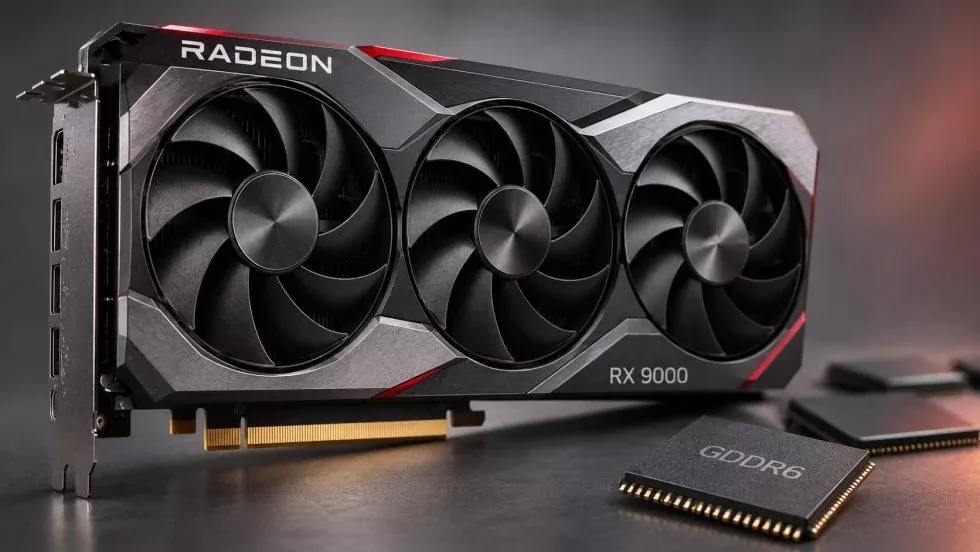
Radeon RX 9000 graphics cards might see another price hike. Reports from Chinese board channels suggest that AMD is considering adjusting prices for GPU and memory packages in November, potentially passing these costs on to consumers.
The primary driver behind this potential move is the rising cost of GDDR6 memory. Sources indicate that GDDR6 prices climbed by approximately 8–10% during the third quarter. Since AMD often supplies its board partners—including ASUS, Sapphire, PowerColor, and XFX—with integrated GPU and memory packages, increased component costs directly impact manufacturer margins.
Price Dynamics and Market Context
According to the reports, AMD may have already implemented an initial price increase for GDDR6-related supplies on October 1, though the company has not officially confirmed this. A further adjustment in November could squeeze AMD's competitive edge. Currently, AMD often positions its RDNA 4 products as high-value alternatives to NVIDIA, but rising GDDR6 costs could narrow this price-to-performance advantage.
It is important to note that retail price hikes do not always mirror AMD's internal adjustments. Factors such as regional demand, exchange rates, logistics, and existing distributor inventory can significantly influence the final MSRP. Nevertheless, market data from independent surveys suggests that Radeon card prices have already seen double-digit monthly increases in certain regions throughout October.
The Technology Gap
Interestingly, AMD continues to rely on GDDR6 for its current generation, whereas NVIDIA is moving toward GDDR7 for its desktop Blackwell lineup. However, sticking to a more established memory standard does not provide immunity against price volatility if supply and demand dynamics shift within the memory market.
Гика
