

R6: Map Pickrate and Side Balance at the Esports World Cup 2026

FaZe Clan claimed the Esports World Cup 2026 title after defeating FURIA in the grand final, closing out a tournament that generated 921 rounds of competitive Rainbow Six Siege data across 98 maps played. The numbers tell an interesting story about which maps teams actually wanted to play - and which ones they desperately wanted to avoid.
The Most Picked and Most Avoided
Fortress and Nighthaven Labs shared top billing as the most picked maps of the tournament, each appearing 15 times across all stages. Fortress was particularly dominant in the playoffs with five appearances, suggesting teams felt comfortable executing there when stakes were highest. Lair followed closely at 13 picks, also racking up five playoff appearances alongside Fortress - making those two maps the defining battlegrounds of the bracket stage.
At the other end, Consulate was the least picked map in the pool at just five appearances despite being available throughout, a clear signal that teams preferred to play elsewhere whenever possible. Border fared only slightly better at seven picks total.
The ban data reinforces this picture from the opposite direction. Consulate was the most banned map of the entire tournament with 35 total bans - teams were actively avoiding it at every stage. Border followed at 33 bans. Meanwhile Fortress and Nighthaven Labs sat at just 25 bans each, the two lowest figures in the pool, confirming that neither side particularly feared those maps enough to spend a ban on them.
Side Balance Tells the Real Story
The overall side split across all 921 rounds landed at 46% attack wins to 54% defense wins - a modest but consistent defensive advantage that reflects Siege's fundamental design. The per-map breakdown, however, reveals which maps skewed most dramatically away from that average.
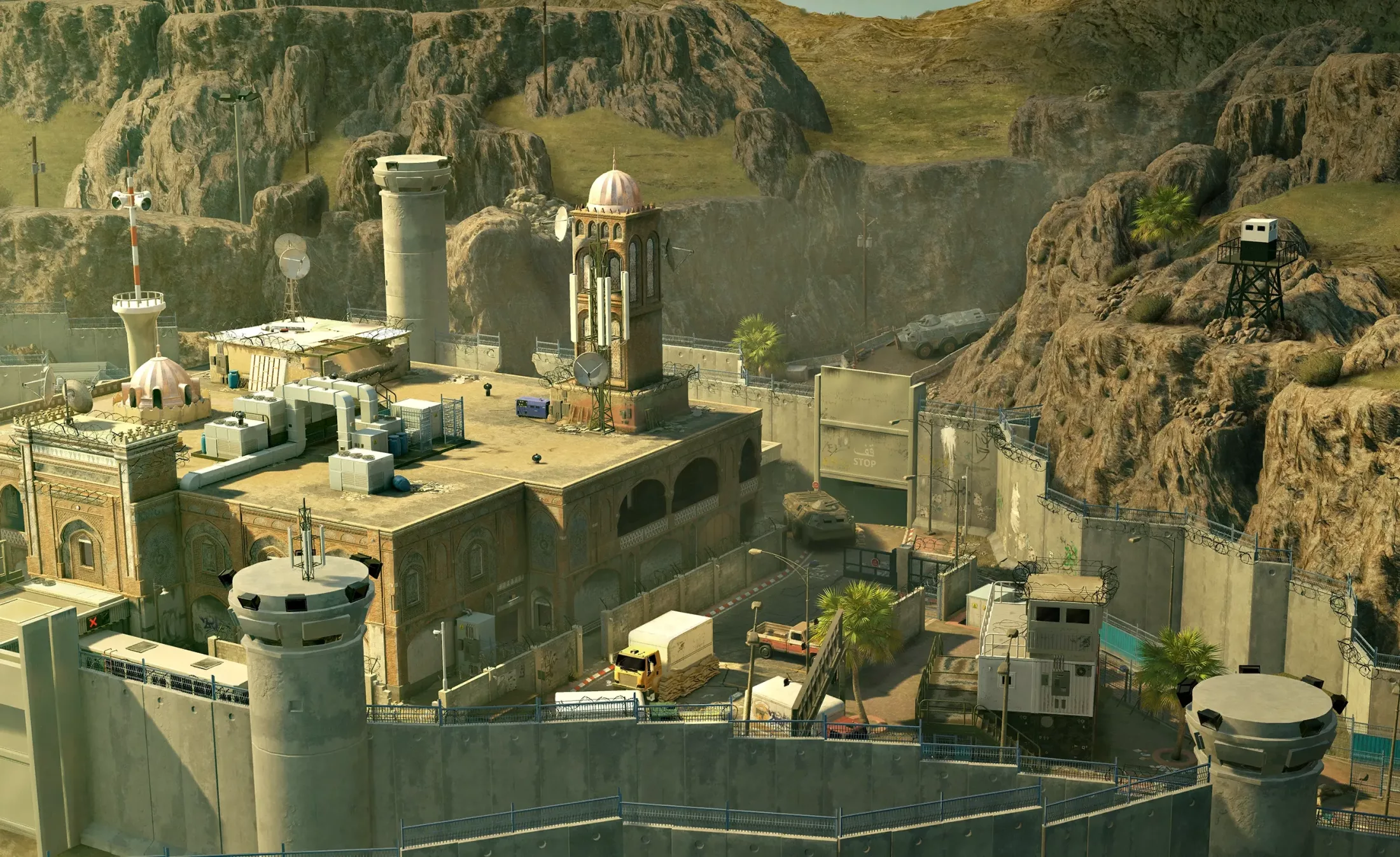
Fortress was the most defender-sided map in the pool by a significant margin, with defenders winning 62.7% of rounds across 150 played. That's an enormous advantage and likely explains why the map appeared so frequently - teams who secured it on defense had a structural edge before the round even started. Lair wasn't far behind at 59.7% defensive win rate across 134 rounds, and Clubhouse sat at 58.5% over 94 rounds. All three maps consistently rewarded the defending side, which makes their combined playoff presence of 14 appearances particularly significant - pro teams were willing to fight for those maps precisely because holding defense on them is so lucrative.
On the other end, Border was the most attacker-friendly map in the pool at 55.6% attack win rate, which partly explains why it was banned so heavily - teams didn't want to hand their opponents an attacking-favored map. Bank was the closest to perfectly balanced of any frequently played map, splitting almost evenly at 51.7% attack to 48.3% defense across 116 rounds.
What the Data Says About the Meta
FaZe's tournament victory came on a map pool that clearly rewarded defensive execution, and their ability to navigate Fortress and Lair - the two most defense-sided maps with the highest playoff presence - likely played a role in their run to the title. The near-total avoidance of Consulate across the field, combined with its 35 bans, suggests the map may need attention from Ubisoft before the next major event. With the BLAST R6 Major Osaka approaching in November, teams will carry these tendencies into their preparation - and the data gives a clear indication of where the competitive map pool's pressure points currently sit.
Дурик
