

Mortal Shell 2 review: A monumental heavy metal sequel with the spirit of a '90s PC game
Cold Symmetry's Mortal Shell 2 is an incredible second outing that capitalises on the potential of its predecessor, bringing forth nostalgic memories of DOOM, Heretic, and Hexen. It offers a gothic cousin to Elden Ring with superior level design and flexibility.
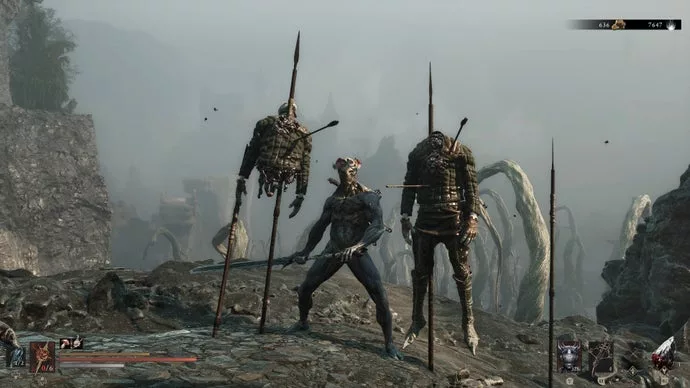
Mortal Shell II, developed by Cold Symmetry and published by Playstack, was released on August 20, 2026, for Windows. The review is based on a test system featuring an Intel Core-i9-10850K CPU, NVIDIA GeForce RTX 3060 GPU, 32GB of RAM, and running Windows 11. The game carries a price tag of $49.99 (or £39.99).
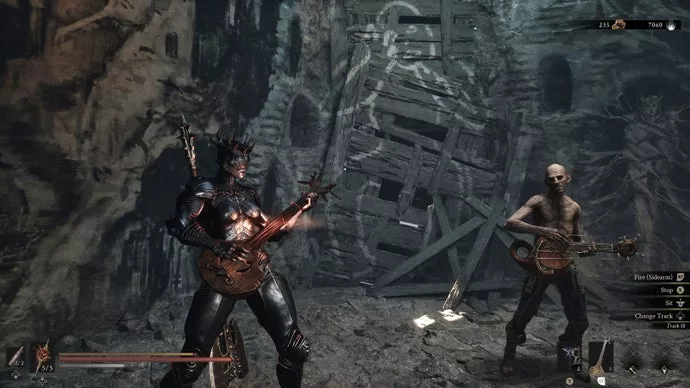
A few hours into the sojourn across the harsh realm of Fainweald, one might stumble upon a tavern called The One Legged Wolf. This weird, memorable place where folk are free to do their own thing is emblematic of the sequel: it melds modern dark fantasy with a willingness to ditch genre formula and a cheeky sense of humour. The result is a goth cousin of more mainstream fare like Elden Ring, not to mention a phenomenal effort that outclasses its predecessor in a manner we probably haven't seen since The Witcher III.
Improvements over the first game and diverse Shells
The first Mortal Shell came out in 2020, and while some enjoyed its compact size, many gave up quickly due to jankiness. This sequel requires no prior knowledge, though diehards will find returning characters and Easter Eggs aplenty. More importantly, Mortal Shell 2 improves upon every single aspect of its predecessor, making it look like a tech demo in comparison.
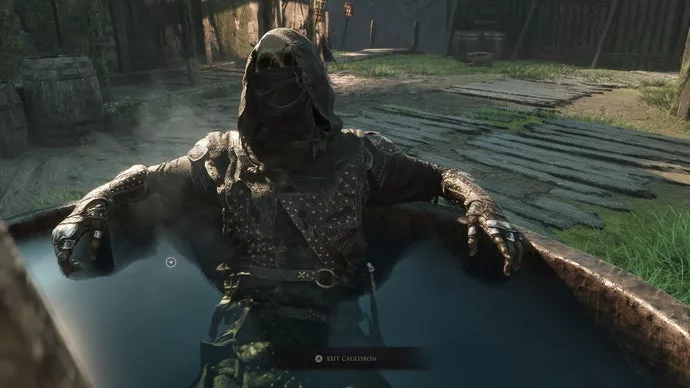
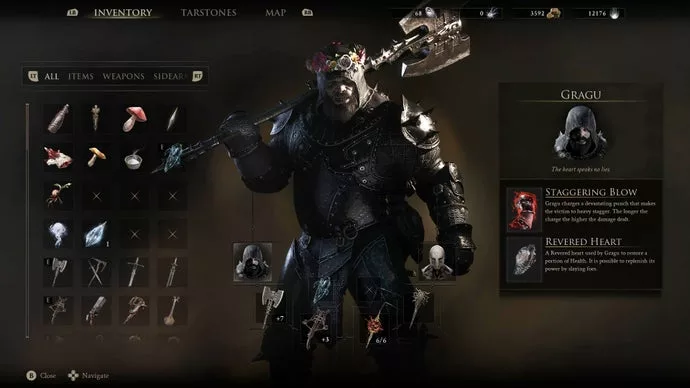
You play as the Harbinger, inhabiting "Shells" that replace standard classes. The first game featured four Shells; this one boasts eight. Each Shell features its own skill tree embodying RPG archetypes. Notable choices include Tiel the Acolyte (a thief), Proxima (a femme version of the Predator), Lazlo (a chonky armoured fella), and Sester Genessa (who served as the first game's save system and is back as a playable Shell). These tangible, character-driven backstories provide a straightforwardness rare in Soulslikes.
Unorthodox combat mechanics
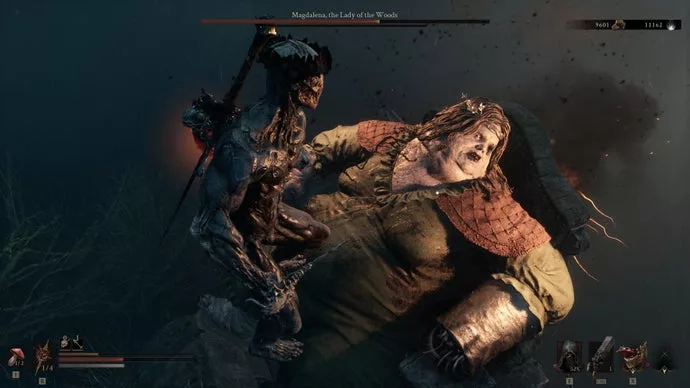
The game foregoes a Stamina bar, allowing players to be as speedy and aggressive as they like. Unlike Sekiro, it doesn't demand pinpoint parry precision. Instead, the game offers three different ways to deal with incoming damage, tied to equippable Seals: Guard (via Untarnished Seal), Parry (via Infinite Seal), and Harden (via Vatra's Seal). Tying pivotal mechanics to items is unorthodox but provides in-game justifications for abilities.
Nostalgia for the '90s PC gaming era
The game marches to its own beat, featuring dozens of dungeons that feel like they might have been pirated as a "top 100 maps" package back in 1998. There are enemies perched atop high ledges, secret passageways, and archways that create portals through walls. One dungeon is clearly homaging the E1M1: Hangar level from DOOM, right down to the shadow line that activates the hidden lift.
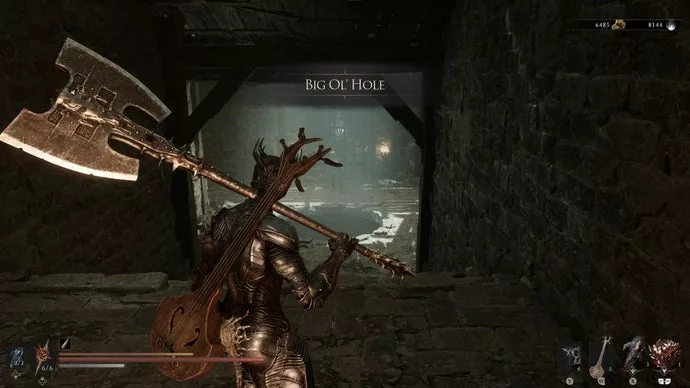
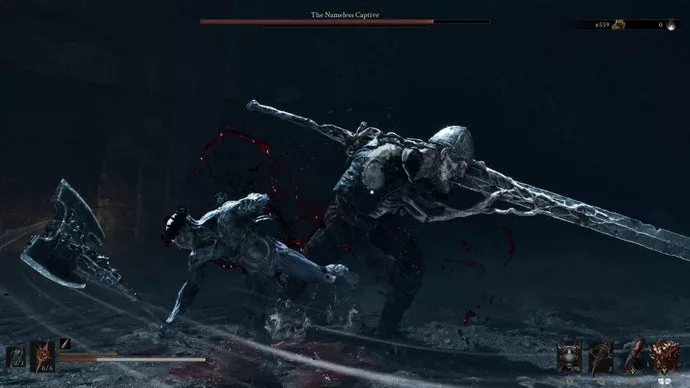
The soundtrack and visuals seem in line with what a modern Heretic might wear. The game even acknowledges those who hate the idea of an easy mode by making the Slayer Seal disable Achievements. "It's there for the brevs what need it, an' for them what couldn't give a toss about Achievements," the game almost seems to cackle.
Зануда
