
OnePlus 16 Debuts With A 9000 mAh Battery, 200MP Camera & Space-Themed Lighting
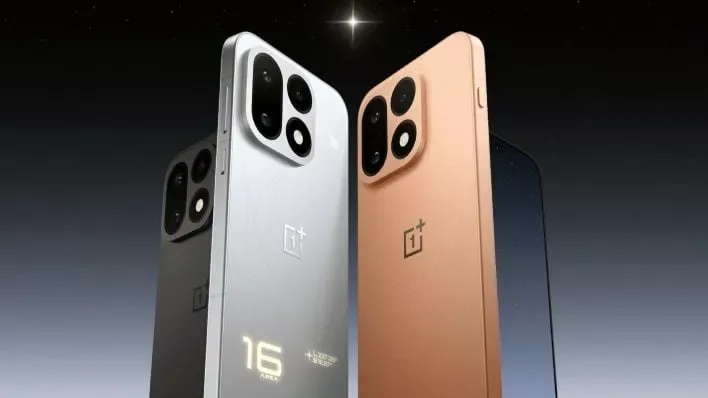
OnePlus has officially unveiled its latest flagship, the OnePlus 16, in China. While the hardware is impressive, international fans may face the familiar disappointment of limited availability, as the device's cutting-edge specs are currently focused on the Chinese market.
Power and Performance
The standout feature of the OnePlus 16 is its massive 9,000 mAh battery, representing a roughly 23% increase over the OnePlus 15. Remarkably, this capacity boost hasn't resulted in a massive increase in footprint or weight, though the chassis appears slightly thicker. Charging capabilities include 100W wired and 50W wireless charging, alongside 27W and 5W reverse charging options.
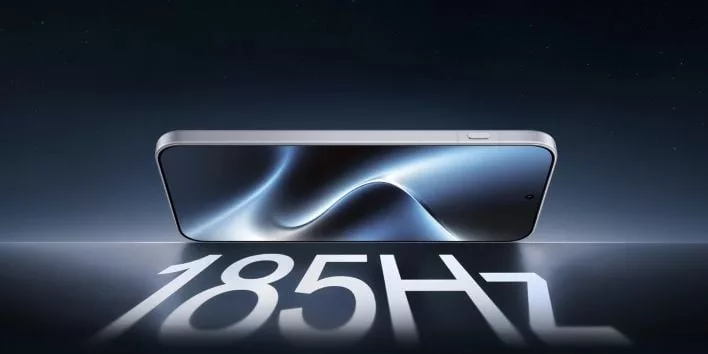
Under the hood, the device is among the first to utilize the Qualcomm Snapdragon 8 Elite Extreme Gen 6 processor. It can be configured with up to 16GB of DDR5X Ultra RAM and up to 1TB of UFS 4.1 storage (non-expandable). The 6.78-inch LTPO AMOLED display supports a system-wide refresh rate of 165 Hz, which can ramp up to 185 Hz in dedicated gaming mode.
Imaging and Aesthetics
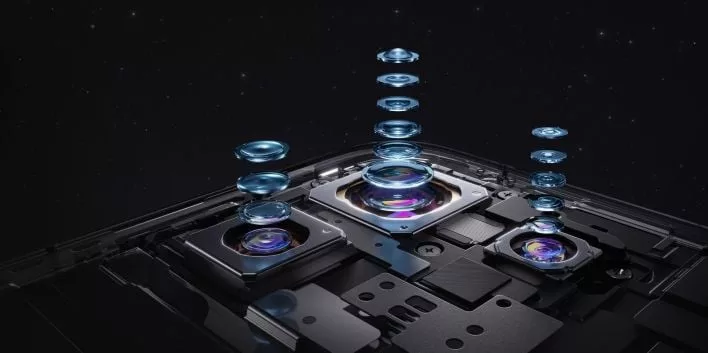
The camera system sees a significant upgrade, headlined by a 200MP primary sensor (1/1.4-inch, f/1.6). The setup also includes a 50MP telephoto lens with 3x optical zoom (1/1.95-inch sensor) and a 50MP ultrawide camera. Following the end of the Hasselblad partnership starting with the OP 13, the specific image tuning for this new high-resolution sensor remains a point of interest.
The phone is available in three colorways: Tomorrow's Starlight, Martian Masterpiece, and Dark Forest. The Tomorrow's Starlight variant features a unique rear-facing LED system designed to provide visual notifications for calls and messages.
Pricing and Availability
In China, the base model with "12GB" RAM and "256GB" ROM starts at 5,699 yuan (approximately $850). While this marks a price increase compared to previous generations, the hardware remains competitive within the flagship segment. However, for the global OnePlus community, the device's regional exclusivity remains the primary hurdle.
Гика
