

NVIDIA RTX Spark: DLSS 5 and anti-cheat support confirmed, but some games face delays
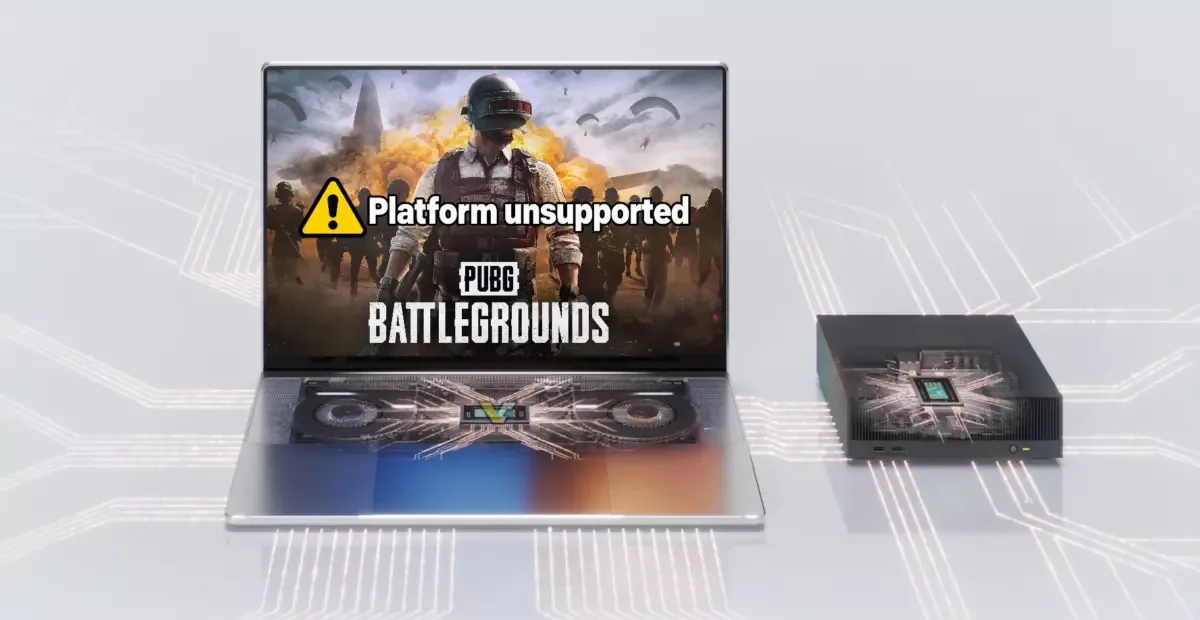
NVIDIA has shared new details regarding its upcoming RTX Spark laptops. While much of the company's focus remains on local AI and an "agentic" operating system, the hardware is also set to bring advanced gaming features, including DLSS 5 and broad anti-cheat compatibility, to its new Arm-based platform.
Performance and DLSS 5 Integration
The RTX Spark lineup will feature NVIDIA Grace CPUs (up to 20 cores) paired with "Blackwell" GPUs (up to 6,144 CUDA cores). A major highlight is the support for DLSS 5 with 3D-Guided Neural Rendering. NVIDIA claims the updated DLSS 5 model, debuting in NBA 2K27, is twice as fast as its predecessor. The platform also supports DLSS Super Resolution, Ray Reconstruction, Reflex, and G-SYNC.
To ensure a smooth transition to the Arm-based architecture, NVIDIA has collaborated with developers to support several major titles at launch. Confirmed games include Cyberpunk 2077, DOOM: The Dark Ages, Gears of War: E-Day, CONTROL Resonant, Hogwarts Legacy, The Witcher 3: Wild Hunt, BeamNG.drive, and World of Warcraft.
Multiplayer and Anti-Cheat Roadmap
For competitive gaming, NVIDIA confirmed that several key anti-cheat systems will be functional from day one, including Valve Anti-Cheat (VAC), Easy Anti-Cheat, BattlEye, and security solutions from NetEase. This ensures that titles like Counter-Strike 2, Dota 2, Fortnite, Rust, and War Thunder will be playable online upon release.
However, the roadmap for other major multiplayer titles is more extended. Support for Riot Vanguard (used in VALORANT and League of Legends) and Tencent Anti-Cheat Expert (used in Delta Force and Wuthering Waves) is currently unavailable. Additionally, Call of Duty, PUBG: BATTLEGROUNDS, and EA Javelin Anticheat are expected to receive compatibility updates in 2027.
Гика
