

NVIDIA RTX 60 series reportedly postponed to 2028 due to memory shortages
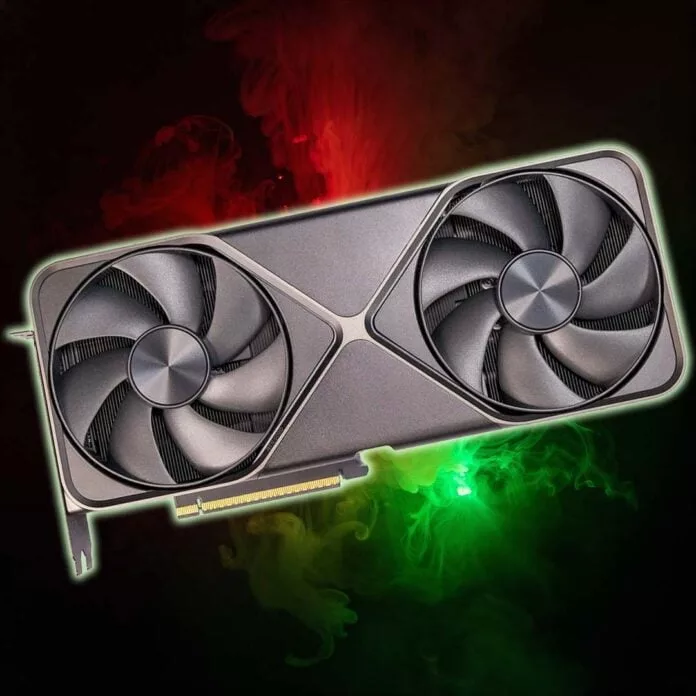
The roadmap for NVIDIA's next-generation gaming GPUs is facing potential delays. According to a report from well-known leaker kopite7kimi, the upcoming Rubin architecture lineup might be pushed back to 2028. The core issue appears to be a massive shortage of video memory, driven by the surging demand for AI data center hardware.
The Rubin Architecture and GR20x Naming
A post from September 21, 2026, suggests that the next generation of GPUs will follow a GR20x model numbering scheme, where the 'R' stands for Rubin. Following the pattern of the Blackwell-based RTX 50 series (using the GB prefix), the flagship RTX 6090 is expected to utilize a GR202 chip.
This rumor aligns with recent claims from another leaker, Kepler_L2, who suggested that NVIDIA will not release new consumer GPUs in 2027. These reports contrast with earlier, more optimistic speculation from sources like Moore’s Law is Dead, which had predicted an early 2027 launch for the RTX 6090.
HBM vs. GDDR7: The AI Impact
The bottleneck for the GeForce RTX 60 series is likely the global memory market. Major memory manufacturers are currently prioritizing the production of High Bandwidth Memory (HBM) to satisfy the massive requirements of AI data centers. This shift leaves limited manufacturing capacity for the GDDR7 chips required for consumer graphics cards.
Given the current high costs of VRAM and the premium pricing of the RTX 5090 series, delaying the Rubin architecture launch to 2028 could be a strategic move for NVIDIA. If the supply of gaming-grade memory remains constrained by the AI boom, launching a new generation in 2027 might be economically unviable due to component scarcity and inflated production costs.
Гика
