
NVIDIA Doubles DLSS 5 Speed and Slashes VRAM Use for RTX Spark Launch
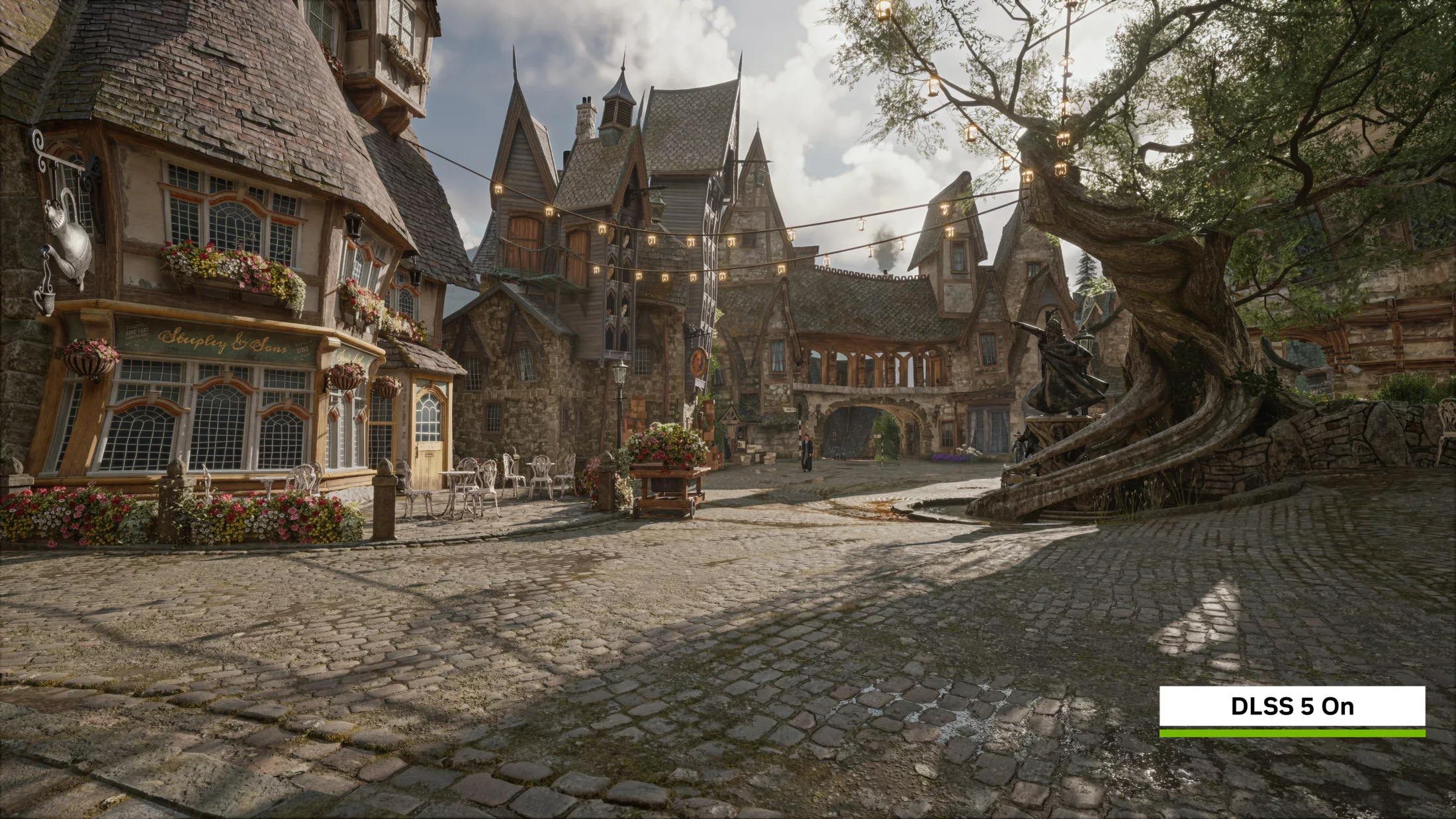
Ahead of the launch of RTX Spark laptops, NVIDIA has announced significant improvements to its DLSS 5 technology. Utilizing 3D-guided neural rendering, the updated model aims to solve the high performance overhead and memory demands that previously hindered the adoption of AI-driven frame regeneration.
Performance and VRAM Efficiency
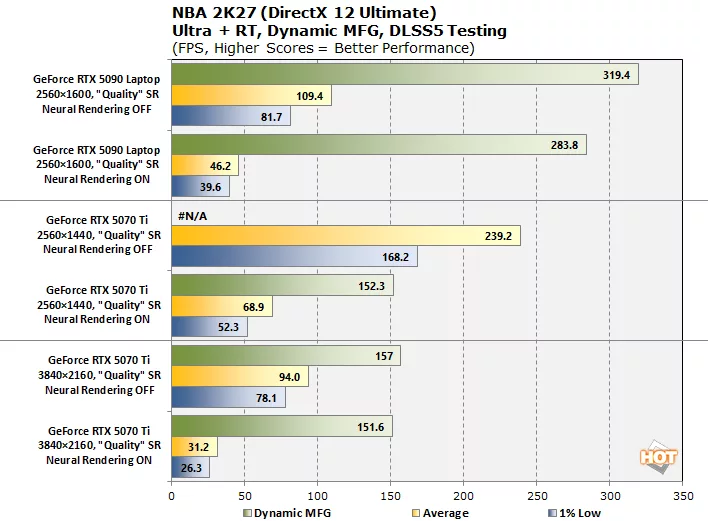
DLSS 5 functions by using the 3D render from a game engine as guidance for a generative AI engine, reconstructing frames in real-time to add realistic lighting and texture details. While visually impressive, the technology has been notoriously taxing on hardware. In NBA 2K27, enabling neural rendering caused frame rates to drop from a stable 240 FPS to 69 FPS, with 4K performance plummeting from 94 FPS to just 31 FPS.
To address these bottlenecks, NVIDIA has released an updated model that doubles the processing speed. Crucially, the company also reported a reduction in video memory (VRAM) usage by approximately 20% at 4K resolution. This optimization is vital for users with 8GB or 12GB cards and for the upcoming RTX Spark systems, which are scheduled to begin shipping on October 16.
Software Roadmap and Game Support
The rollout of DLSS 5 is expanding across several key platforms and titles. The current deployment schedule includes:
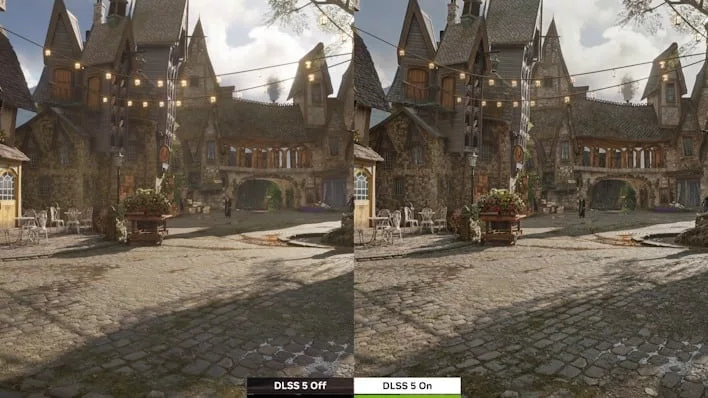
- Hogwarts Legacy — support arriving November 5;
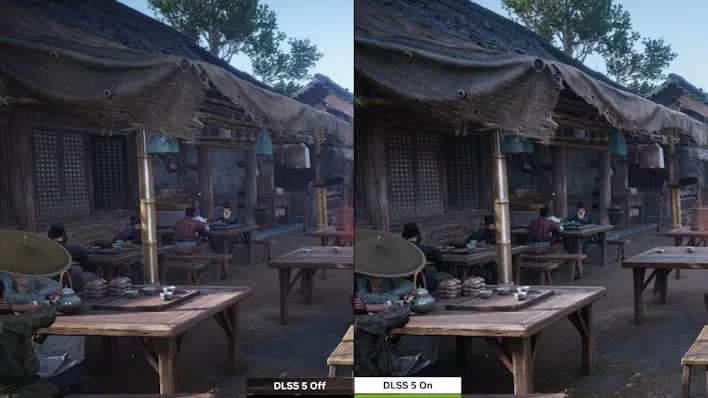
- Where Winds Meet — update expected in late October;
- RTX Remix — integration scheduled for October 23.
Additionally, NVIDIA is introducing a new "Performance Mode" for DLSS Frame Generation within the NVIDIA App beta. Aimed at the bandwidth-constrained RTX Spark platform and RTX 40/RTX 50 series, this mode is up to 35% faster by utilizing a lighter and more efficient algorithm for the optical flow accelerator role.
Гика
