

Musk confirms talks with TSMC: Terafab could get major manufacturing boost
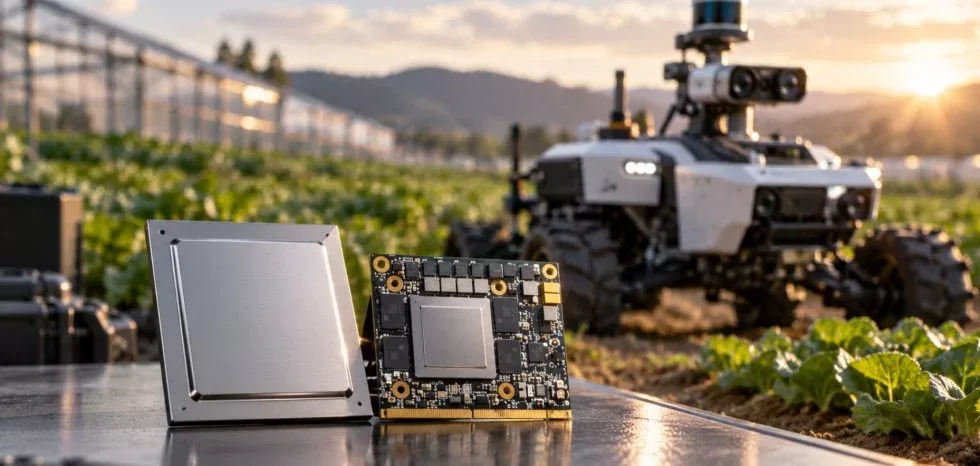
Elon Musk has officially confirmed that his semiconductor manufacturing initiative, known as Terafab, is in talks with the world's largest foundry, TSMC. On October 3, 2026, Musk responded to reports on X, stating that while the discussions are currently just talks, they
Nature of the talks and potential partnership models
At this stage, only the existence of the dialogue has been confirmed. According to reports from former Bloomberg journalist Tim Culpan, several collaboration scenarios are being explored. One possibility involves TSMC owning and operating a new fab, with capital provided by companies within Musk's ecosystem. Another scenario suggests that SpaceX or Terafab would take a larger stake in operations, while TSMC provides the essential manufacturing technology and operational expertise.
It is crucial to distinguish between these reported scenarios and confirmed facts: no official partnership or business model has been announced by either party. The primary driver for the project is the long-term need for dedicated, high-performance semiconductor capacity to support Tesla (vehicles and Optimus robots), SpaceX, and the AI infrastructure requirements of xAI.
Geographic context and technical ambitions
The potential involvement of TSMC in Texas is particularly noteworthy. Reuters has previously reported that the company is considering additional investments in the state, independent of its massive Arizona expansion. While a direct link between TSMC's Texas plans and the Terafab project remains unconfirmed, the synergy is highly plausible.
Building a modern semiconductor fab is a monumental task that requires more than just purchasing EUV lithography systems; it requires a robust supply chain and a massive pool of specialized talent. The fact that Tesla began searching for semiconductor engineers in Taiwan in April suggests that Terafab is moving beyond the conceptual phase into active recruitment.
Intel vs. TSMC: A complex technological landscape
The involvement of TSMC adds a layer of complexity to the project's technological roadmap. Previously, Intel was mentioned as a potential technology partner, with Musk suggesting that Terafab might utilize the Intel 14A process. If both TSMC and Intel are involved, the collaboration might focus on specialized divisions—for instance, one handling front-end manufacturing while the other focuses on advanced packaging, a field where TSMC is a global leader.
For TSMC, the move is economically logical, especially as North America accounts for over three-quarters of its wafer revenue. Ultimately, Musk's strategy appears to be about integrating established industry expertise into Terafab rather than attempting to develop cutting-edge manufacturing technology entirely from scratch.
Гика
