

MSI Crosshair 16 Max HX E2W Review
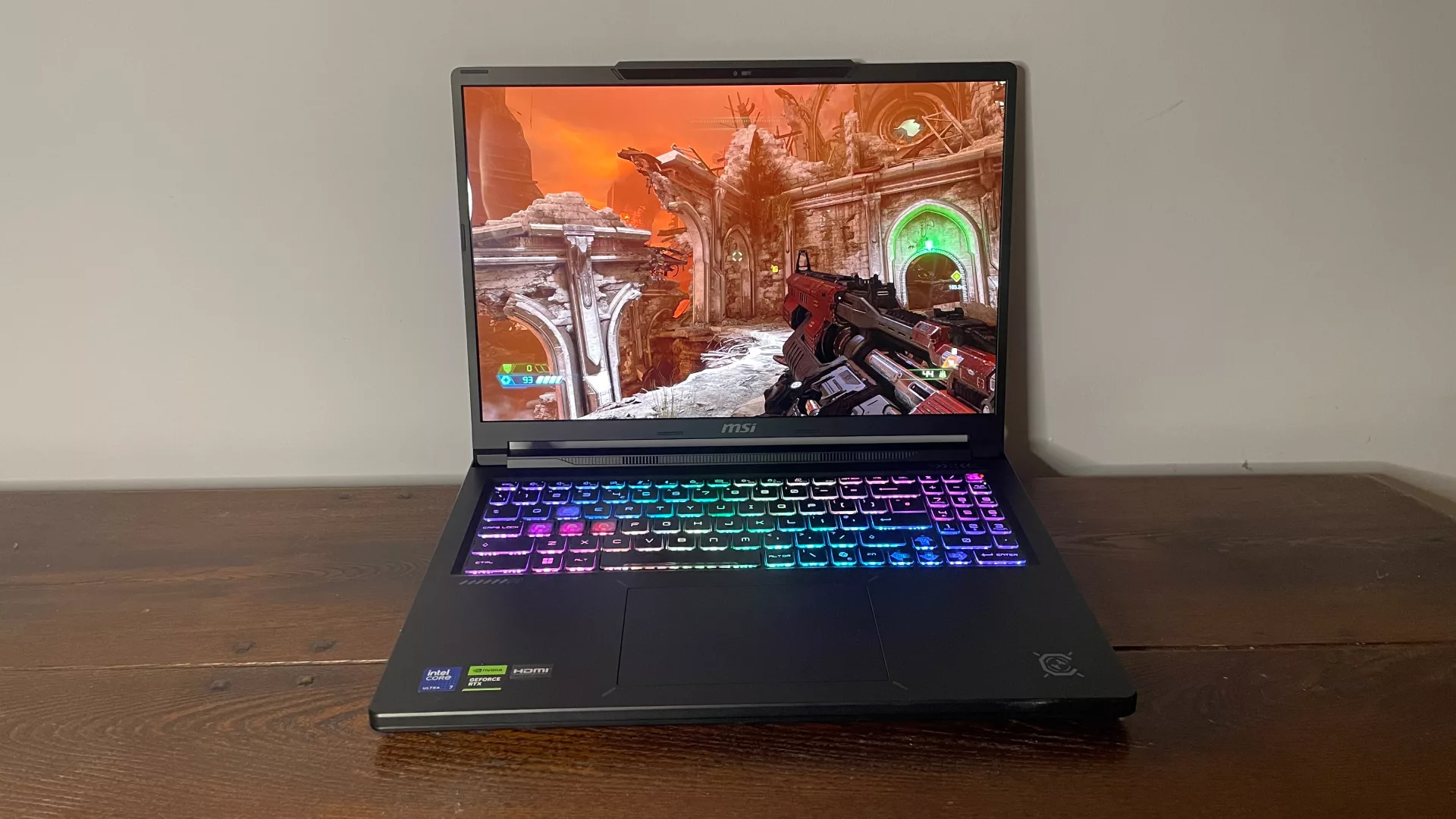
The MSI Crosshair 16 Max HX E2W is a gaming laptop that prioritizes raw computational power above all else. By pairing an Intel Core Ultra 7 251HX processor with an RTX 5070 mobile GPU, it delivers some of the highest frame rates in its class. However, this aggressive performance tuning comes with significant trade-offs in thermal management, battery life, and audio latency, raising questions about its value proposition at a price point that rivals higher-tier configurations.
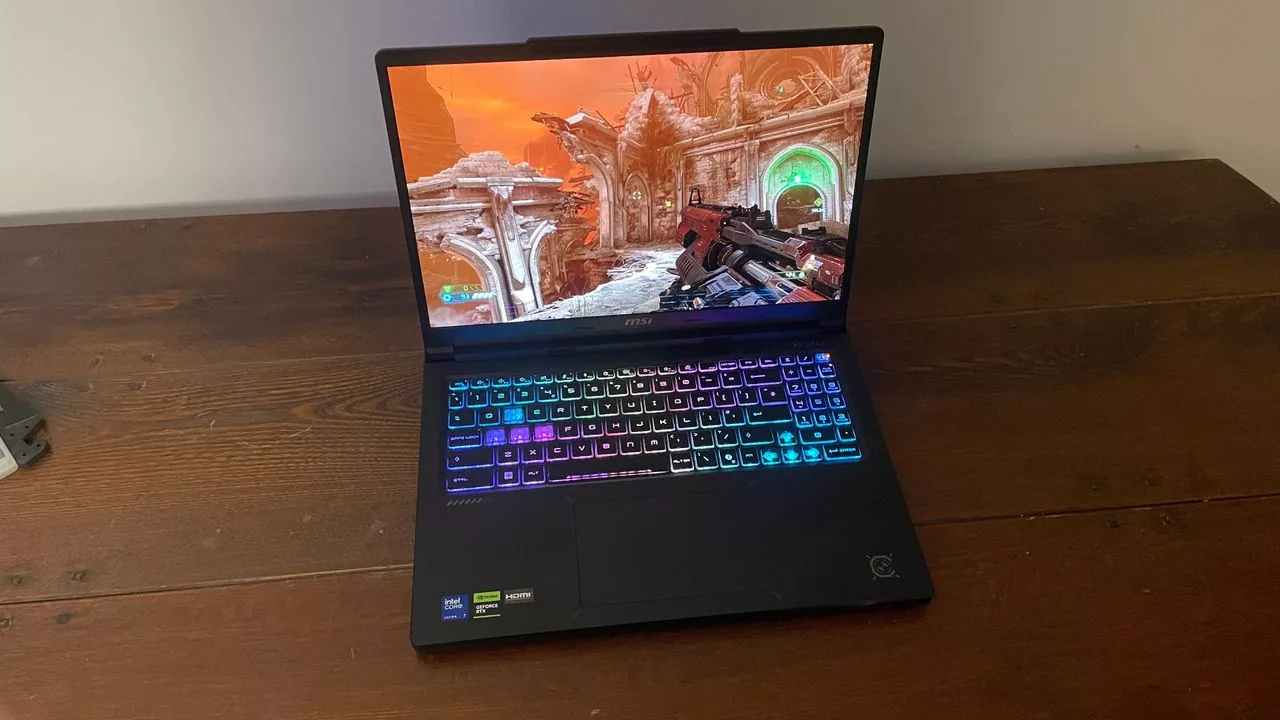
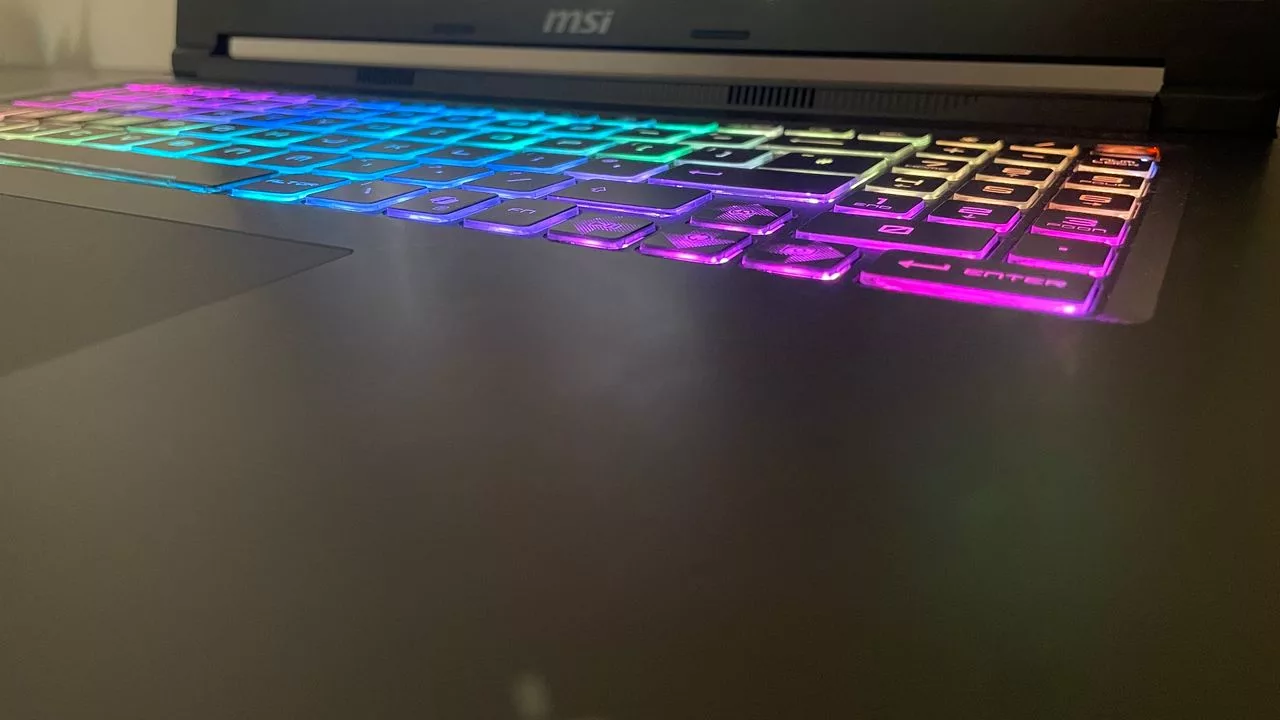
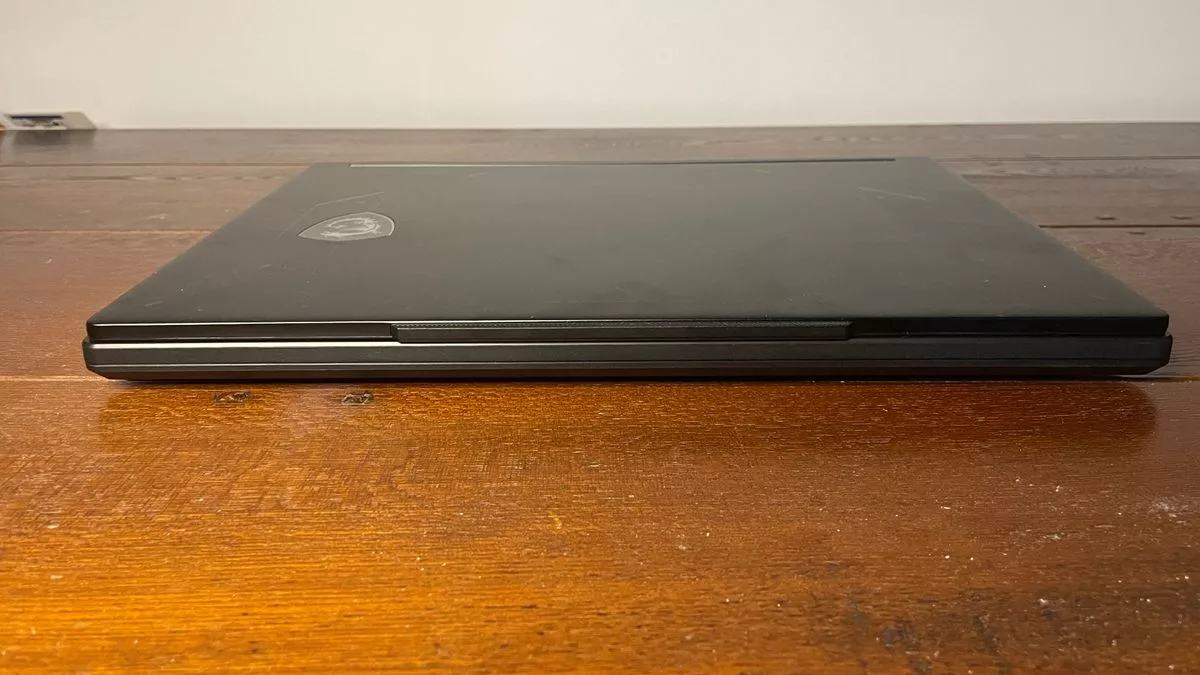
When unboxing the MSI Crosshair 16 Max HX E2W, the design intent is immediately clear. Unlike the sleek, understated MSI Stealth 16 AI+ B3W, which conceals its gaming nature, the Crosshair embraces its identity. The lid features a glossy, embossed MSI logo that is also RGB-lit, and the chassis is noticeably thicker than typical ultrabooks. While the design is not overtly aggressive, it does not attempt to disguise itself as a productivity machine. The keyboard includes translucent WASD keys and 24-zone RGB backlighting, further signaling its gaming pedigree. The trackpad is centrally located, a sensible choice, though it is on the smaller side. The inclusion of a numpad makes the keyboard feel slightly cramped, a minor ergonomic compromise for a 16-inch device.
The hardware configuration of the tested unit includes an Intel Core Ultra 7 251HX processor, an RTX 5070 mobile GPU with a 115 W power limit, 16 GB of DDR5-6400 RAM, and a 1 TB SSD. Other available configurations include a more powerful Core Ultra 9 290HX with 32 GB of RAM, or the same 251HX CPU paired with an RTX 5060 and 32 GB of RAM. The 16 GB memory configuration in the tested unit is split into two 8 GB sticks, which is preferable to a single stick for dual-channel performance. This setup contributes to strong CPU-intensive task performance, often outpacing laptops with nominally higher-tier processors in certain workloads.
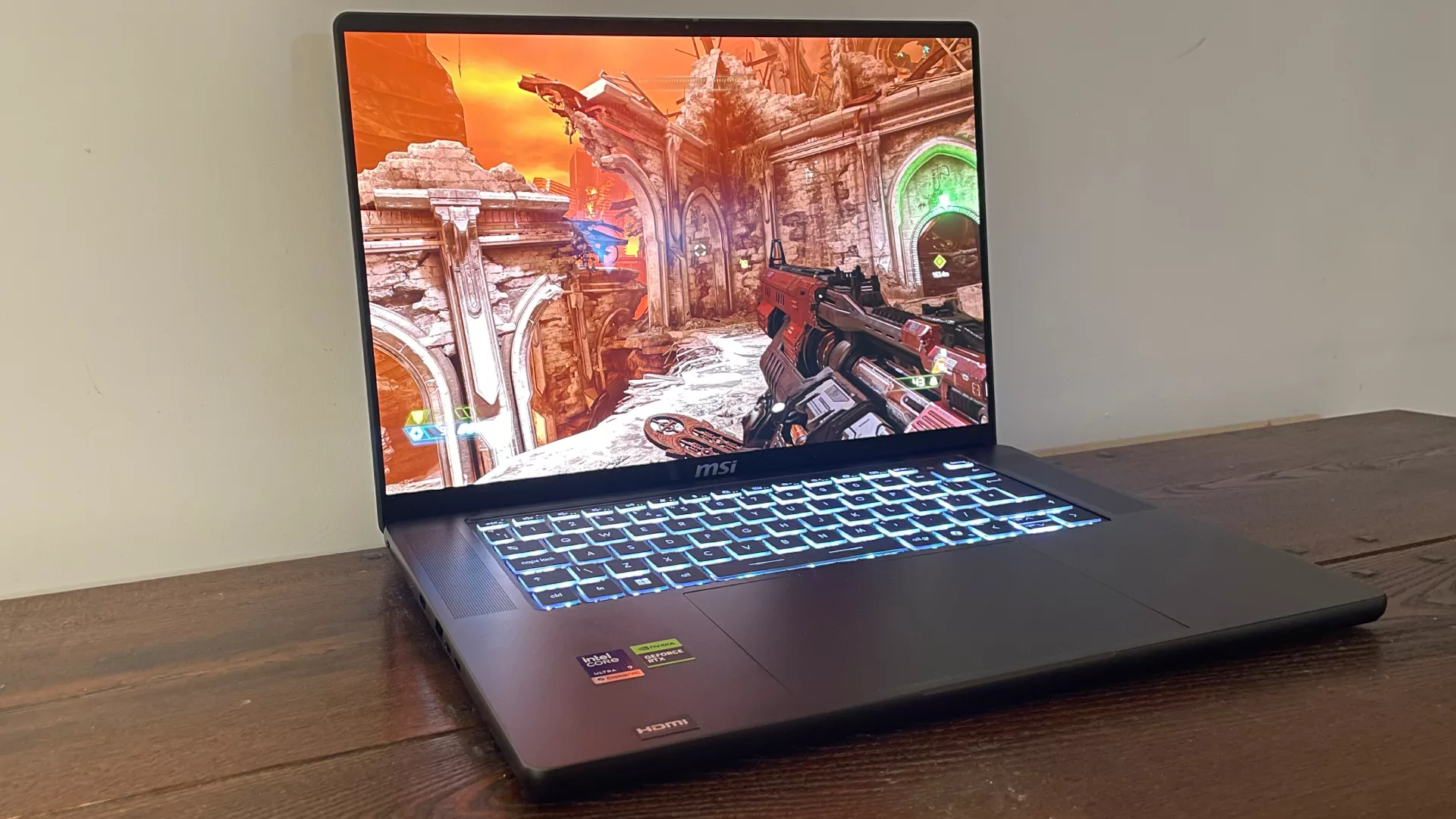
One of the standout features of this laptop is its 16-inch OLED panel with a 2560 x 1600 resolution and a 165 Hz refresh rate. OLED displays are relatively rare in gaming laptops, typically found in premium, thin-and-light models. Seeing such a high-quality panel in a performance-focused chassis is a pleasant surprise. The 165 Hz refresh rate is a perfect match for the capabilities of the RTX 5070, ensuring that the display can fully utilize the GPU's output without becoming a bottleneck. The visual quality is exceptional, with deep blacks and vibrant colors that make games and media pop significantly compared to standard IPS panels.
Connectivity is adequate, with a mix of ports that includes one Thunderbolt 4 port, one USB Type-C, three USB Type-A 3.2 Gen2 ports, one HDMI 2.1, and an RJ45 Ethernet port. The presence of an Ethernet port is a welcome inclusion for gamers who prefer wired connections for lower latency. Wireless connectivity is handled by Wi-Fi 6E, which is standard for current-generation hardware. The laptop weighs 2.2 kg and has dimensions of 363 x 269.7 x 21.95–23.85 mm, making it a substantial device that is not designed for frequent travel.
Performance is the primary selling point of the MSI Crosshair 16 Max HX E2W. In 1080p gaming benchmarks, the laptop consistently outperforms other RTX 5070 models. In Cyberpunk 2077 at 1080p with Ray Tracing Ultra settings, it achieved an average of 46 FPS with 1% lows of 33 FPS, significantly higher than the MSI Crosshair 16 HX (AI) at 34 FPS and the Gigabyte Aero X16 Copilot at 32 FPS. It even approached the performance of the MSI Stealth 16 AI+ with an RTX 5080, which recorded 55 FPS in the same test. In Baldur's Gate 3 at 1080p Ultra, the Crosshair 16 Max HX E2W delivered 85 average FPS, leading the field among RTX 5070 laptops. Black Myth: Wukong at 1080p High settings yielded 68 average FPS, again outperforming competitors like the Framework 16 and Gigabyte Aero X16 Copilot.
At the native 1600p resolution, the laptop continues to demonstrate strong performance. In Cyberpunk 2077 with Ray Tracing Ultra, it achieved 26 average FPS, which is playable but demanding. This is a significant improvement over the MSI Crosshair 16 HX (AI), which managed only 9 FPS in the same scenario. In Baldur's Gate 3 at native resolution, the Crosshair 16 Max HX E2W recorded 79 average FPS, comfortably leading other RTX 5070 laptops. F1 24 at Ultra High settings produced 47 average FPS, and Metro Exodus Enhanced Edition at Ultra settings yielded 59 average FPS. These results confirm that the laptop is capable of handling modern titles at high settings, provided the user is willing to accept the thermal and power consumption implications.
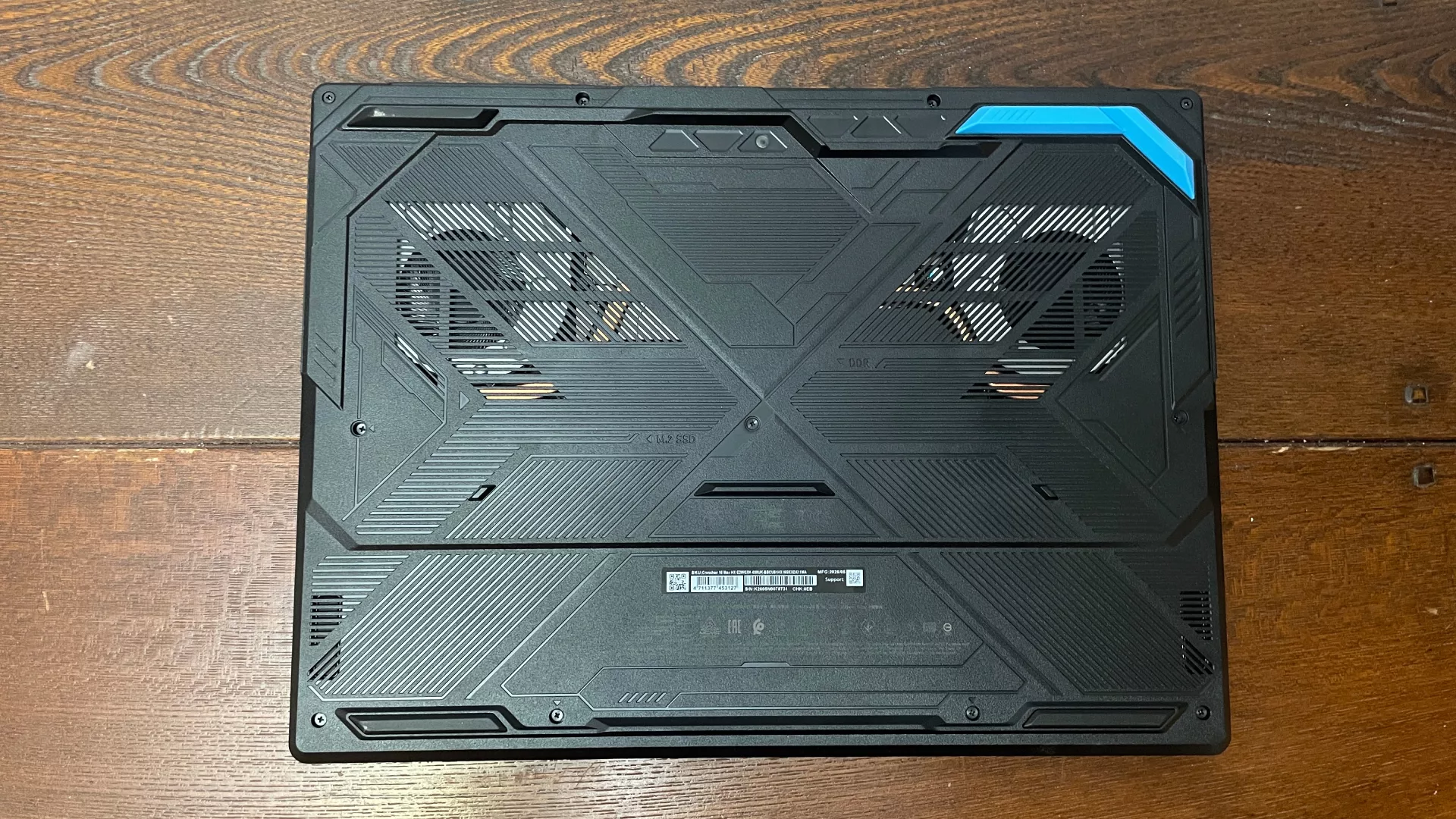
Thermals are a direct consequence of the aggressive power limits. The laptop runs hot, which is expected given the 115 W power limit on the RTX 5070 and the high-performance CPU. While the cooling system manages to maintain stable frame rates, the heat output is noticeable. This thermal behavior directly impacts battery life, which is one of the laptop's weakest points. In the PCMark 10 gaming battery life test, the MSI Crosshair 16 Max HX E2W lasted 72 minutes. This is significantly lower than the MSI Crosshair 16 HX (AI) at 101 minutes, the Gigabyte Aero X16 Copilot at 109 minutes, and the Framework 16 at 131 minutes. The 80 Wh battery is simply not sufficient to support the high power draw of the components for extended periods. This laptop is not suitable for users who rely on battery power for gaming or heavy productivity tasks.
Audio performance is another area of concern. The laptop suffers from noticeable audio latency when using the default audio device. This issue persists even when switching to USB-connected audio devices, which is unusual and problematic. The reviewer attempted to resolve the issue by disabling or uninstalling Nahimic audio software and Norton antivirus, but neither action resolved the latency. The speakers themselves are average, with a slight tinny quality typical of many laptops. For gamers who rely on precise audio cues, such as in first-person shooters, this latency could be a deal-breaker. MSI is reportedly investigating the issue, but until a fix is implemented, the audio experience is subpar.
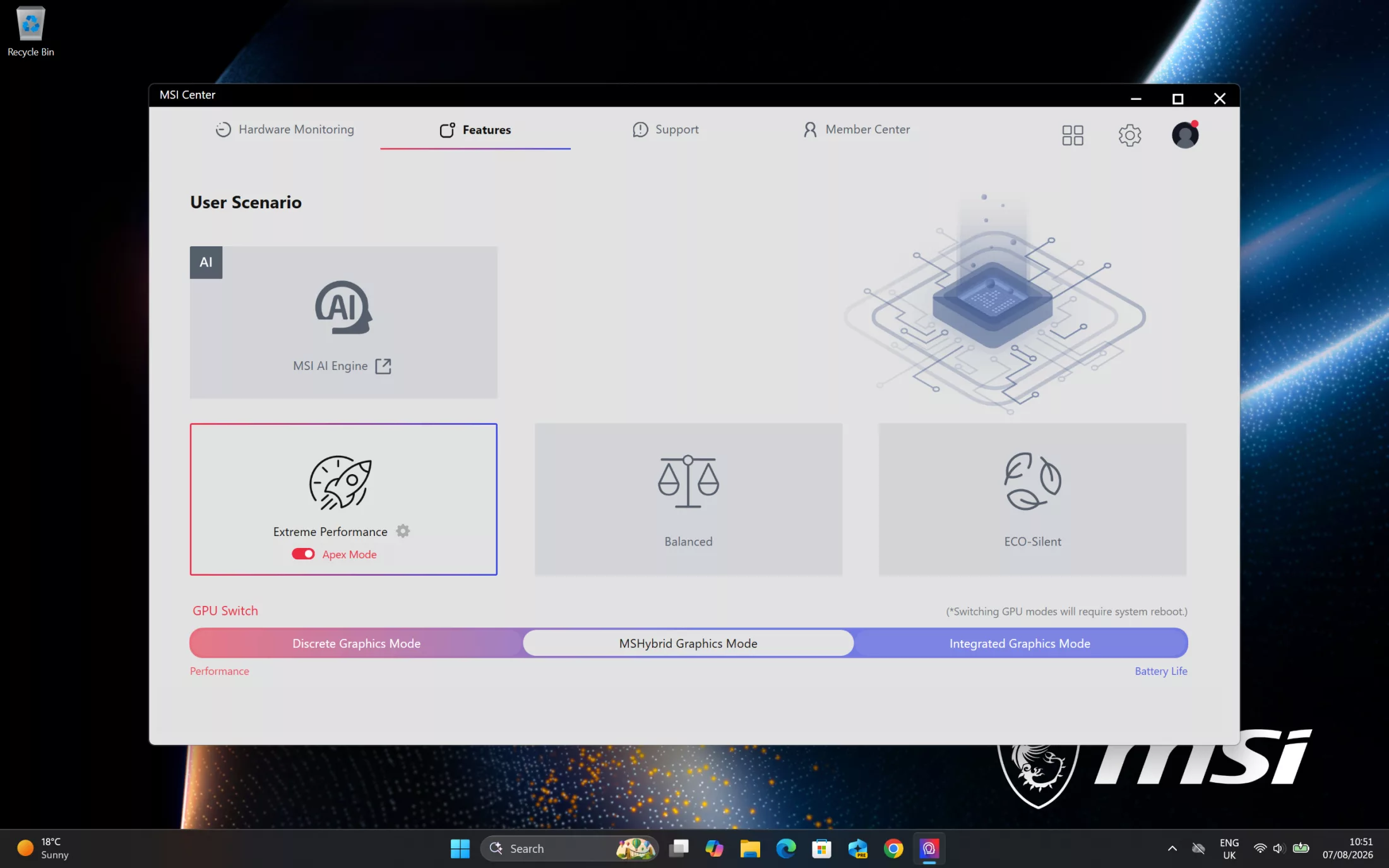
Software bloat is present, with Norton antivirus pre-installed. While Microsoft Defender is a sufficient alternative for most users, the presence of Norton is a common source of frustration. MSI Center is used to manage settings such as lighting and performance modes. The software is functional and not overly complex, but it is not particularly innovative. It serves its purpose well enough for users who want to tweak performance profiles without diving into BIOS settings.
Value is a contentious aspect of the MSI Crosshair 16 Max HX E2W. The 32 GB version is priced at approximately $2,600, with discounts bringing it down to around $2,000. The 16 GB version tested was not widely available for sale at the time of review. At $2,600, the price is high for an RTX 5070 machine, especially when considering that similar non-OLED gaming laptops can be found for well under $1,500. The OLED panel and superior performance justify a premium, but the combination of poor battery life, thermal issues, and audio latency makes it a difficult recommendation at this price point. If the price were lower, perhaps by a few hundred dollars, the laptop would be more competitive. As it stands, it is a tough sell for users who value efficiency, portability, or reliable audio.
In conclusion, the MSI Crosshair 16 Max HX E2W is a high-performance gaming laptop that excels in raw computational power. It delivers some of the best frame rates available in the RTX 5070 class, thanks to aggressive power limits and a high-quality OLED display. However, these strengths are offset by significant weaknesses in battery life, thermal management, and audio latency. The price point is high, and while the performance is impressive, the overall package is not as compelling as it could be. For users who prioritize maximum performance and do not care about battery life or audio latency, this is a strong option. For everyone else, there are better alternatives that offer a more balanced experience.
Зануда
