

Marvel's Wolverine: Inside Insomniac's Japan Scanning Trip
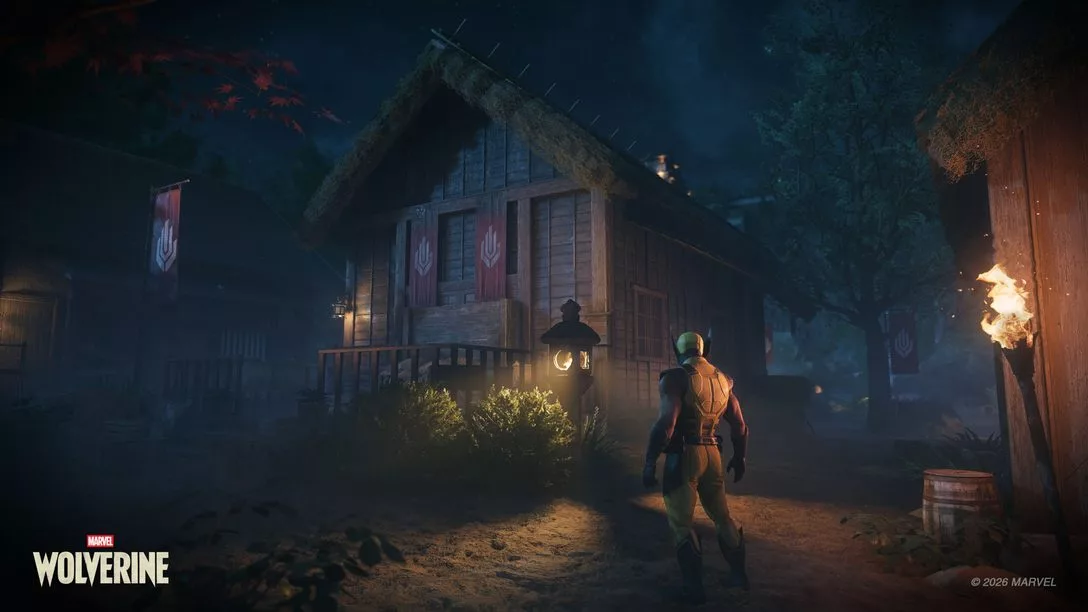
Insomniac Games shared a detailed look at the location-scanning trip to Japan that helped shape the environments in Marvel’s Wolverine. The team traveled across several distinct regions to capture real-world assets, study natural biomes, and gather cultural references that inform the game’s visual design.
Early in the production of Marvel’s Wolverine, Insomniac Games sent a dedicated team to Japan as part of a broader series of location-scanning missions. These trips involve recording real-world assets, examining natural environments, and understanding how real-world biomes and cultures can inform fictional locations. The Japan mission was described by the team as their most ambitious and satisfying scanning effort to date.
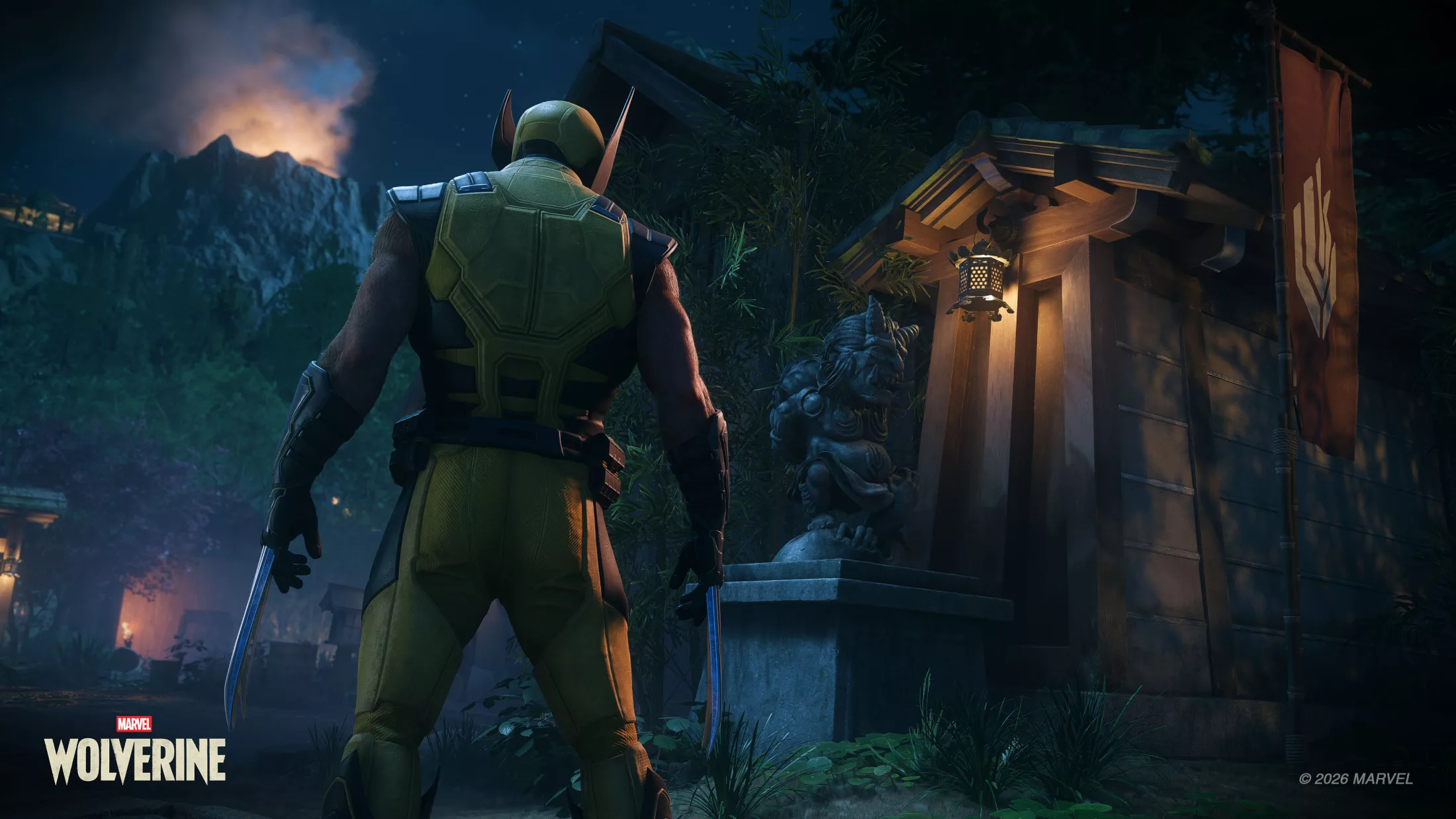
The scanning team consisted of Jonnathan Mercado, Christen Borras Alicea, Niina Taniguchi, Reiko Sekine, Chris Devens, and Nathaniel Bell, the Principal Technical Artist at Insomniac Games. Planning for the trip began months in advance, with significant support from Sony Interactive Entertainment teams in Japan. The environment team blocked out levels and created detailed requests for specific assets and biomes, which the scanning team then used to design a route that maximized variety within the limited timeframe.
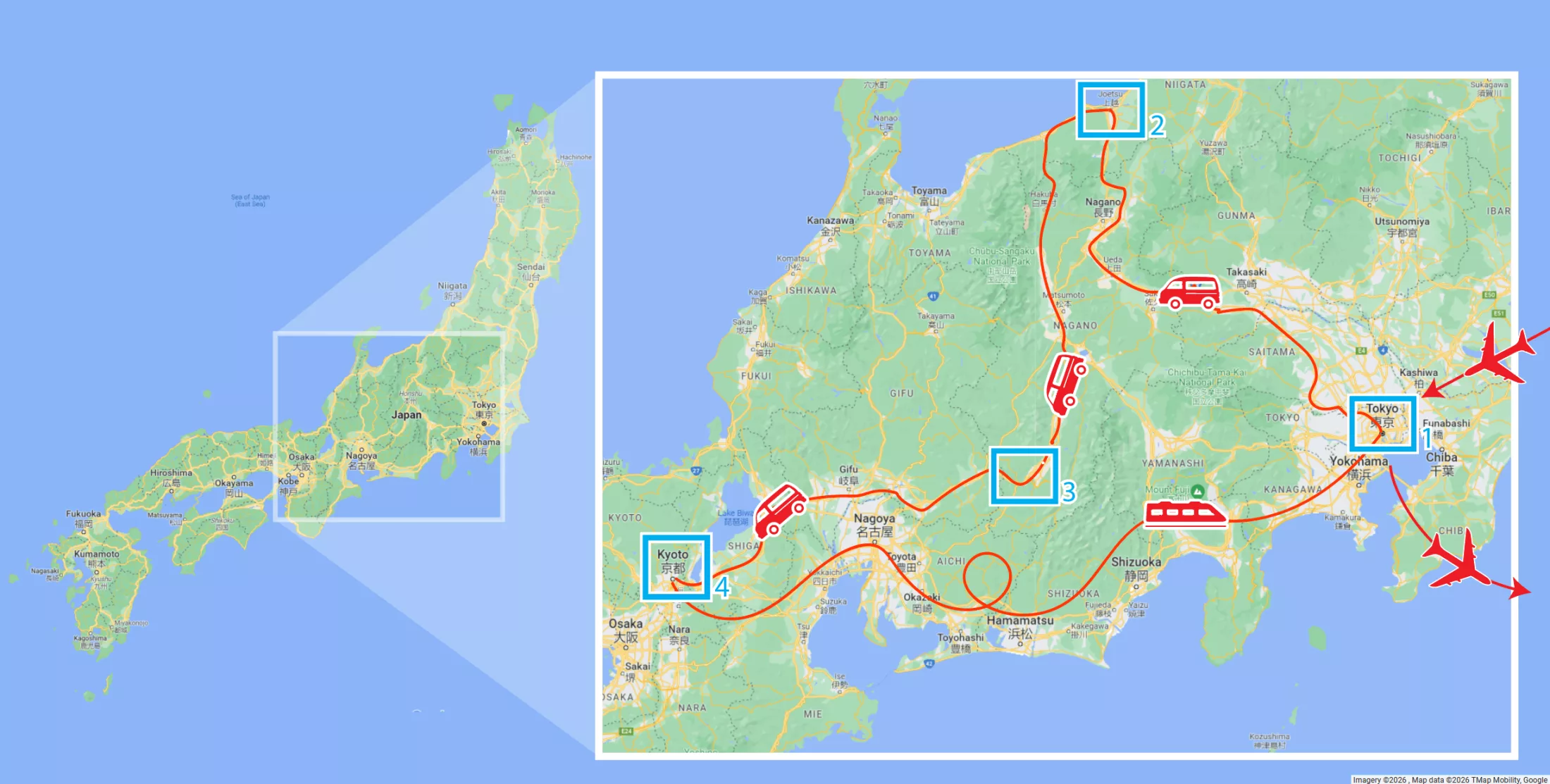
The route took the team from Tokyo to Joetsu, then to Tsumago-Juku and Magome-Juku, before heading to Kyoto and returning to Tokyo. Unlike previous trips where the team minimized travel between locations to maximize scanning time, the Japan mission required more in-trip movement than ever before. This was necessary because the desired environments were spread across several distinct regions, requiring the team to commit to a more extensive travel schedule.
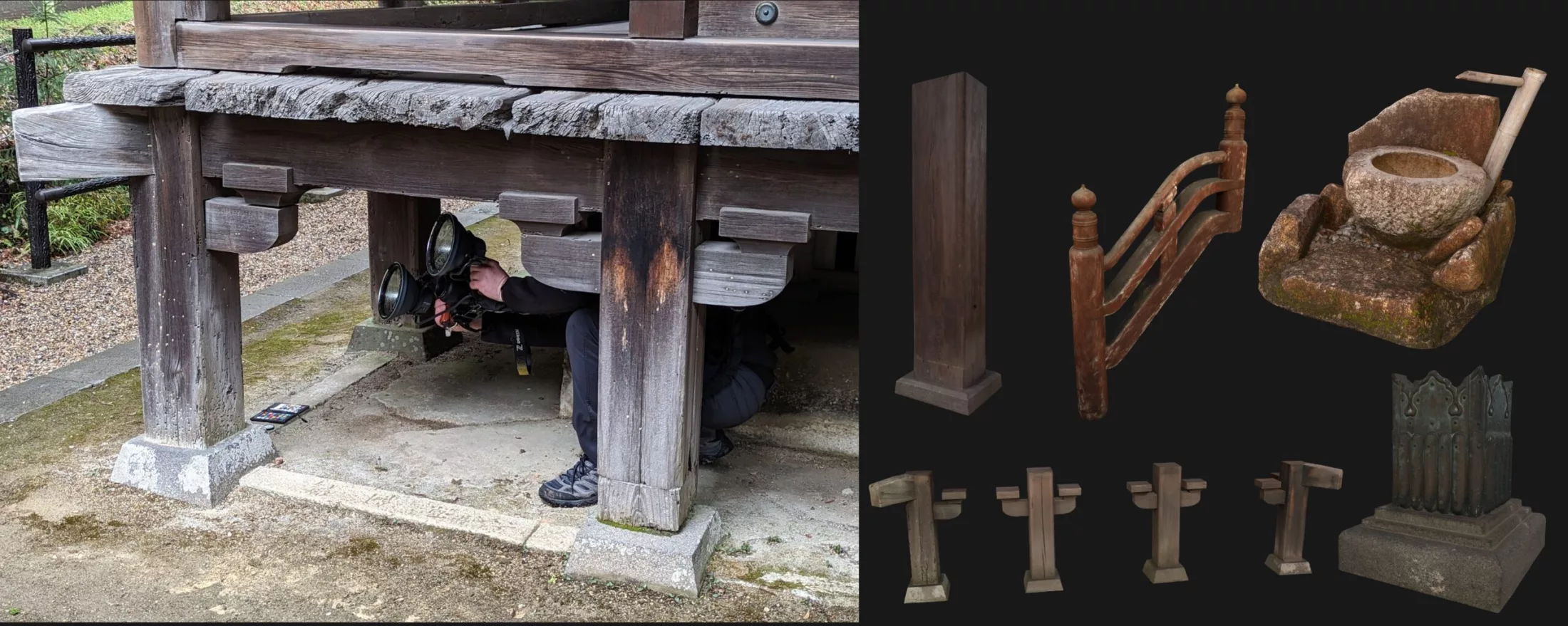
The primary goal of scanning in Japan was to capture the physical truth of the locations. High-resolution scans allow the team to record the precise details of rock, bark, pavement, moss, metal, signage, and soil, including the small imperfections that make environments feel believable. Beyond the raw scan data, being on location allowed the artists to observe how structures are designed and constructed, how materials weather over time, and how local cultural details appear in the environment. This firsthand research provides a stronger foundation for creating places that feel grounded and thoughtfully inspired, rather than assembled from generic library assets.
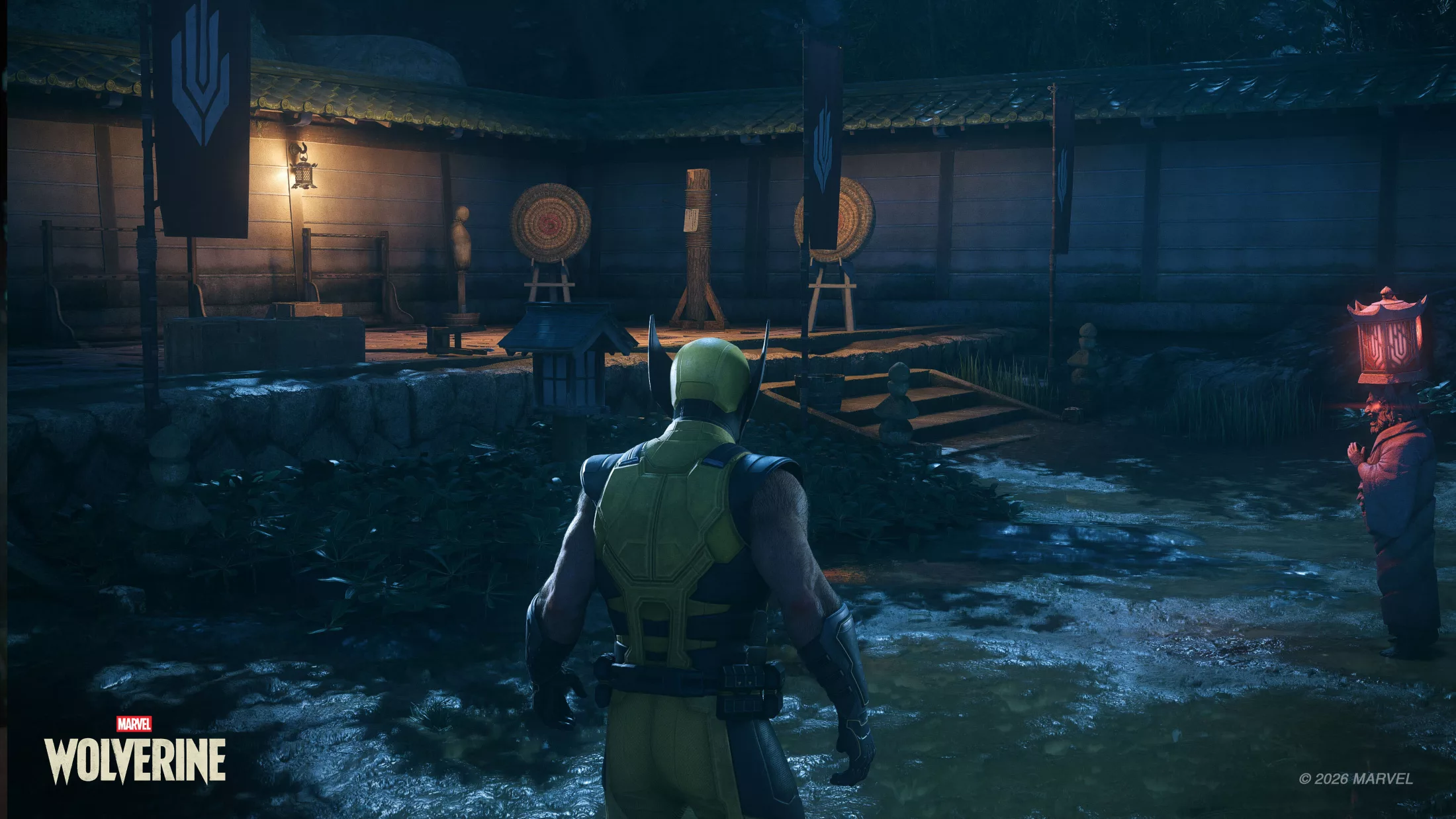
During the trip, the team captured assets across several dramatically different biomes. They moved from mountainous, snow-covered regions in the east to an underground train station, and from bamboo forests to sunbaked city streets and remote side-of-the-road temples. Each location presented unique challenges and opportunities for asset creation.
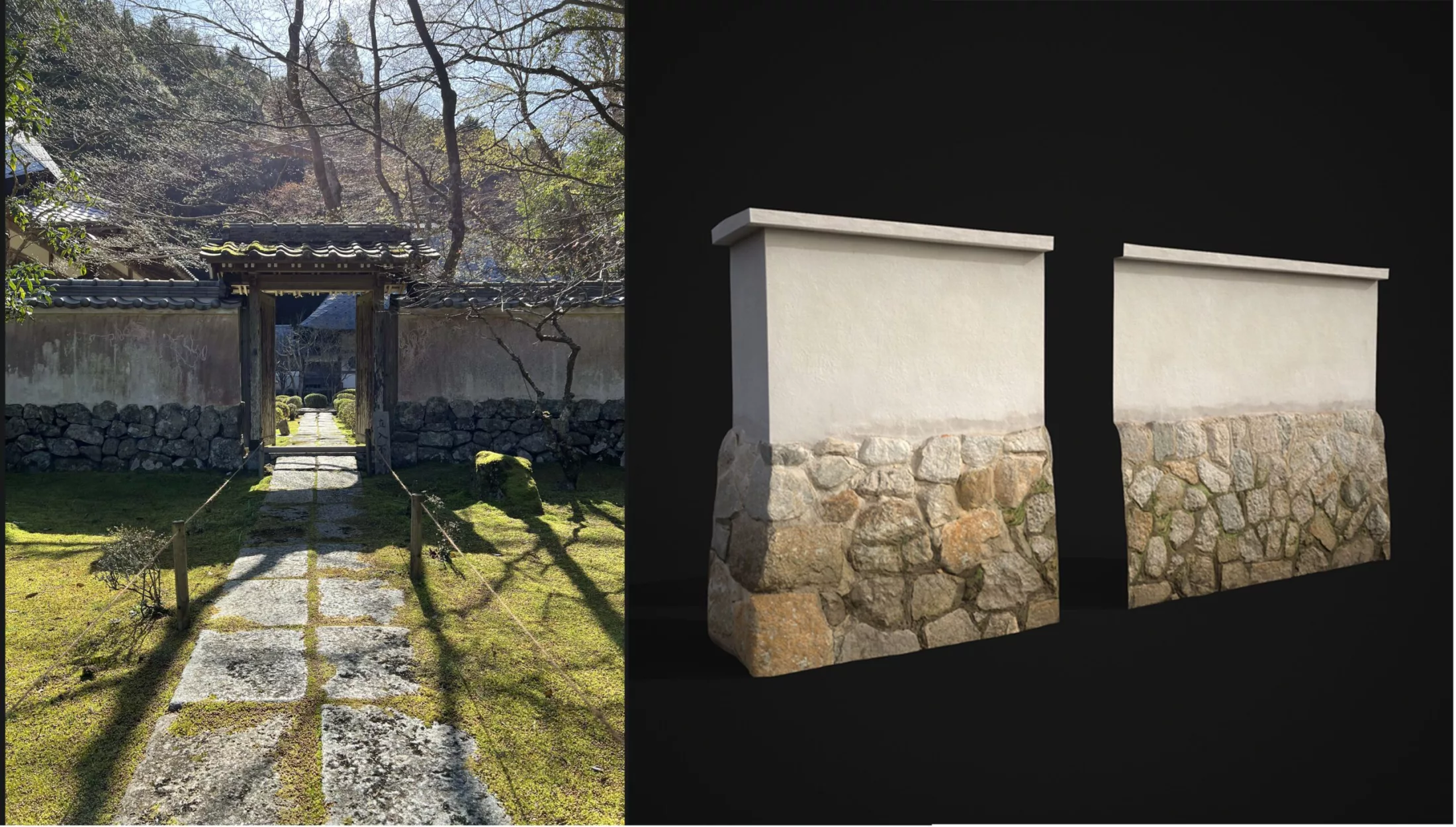
In the mountains, the focus was on natural surfaces and cold-weather details, such as snow, stone, bark, and ground cover, as well as how winter conditions affect materials. In the bamboo forests, the team captured vegetation, organic layering, and the unique density and rhythm of the landscape. Urban locations provided access to pavement, walls, street-level details, public infrastructure, and the subtle signs of wear that make a city feel lived-in. Underground transit spaces offered a different kind of reference, with distinct materials and architectural patterns. Along with scanning assets, the team captured a large volume of photo references for the area’s shape language, texture, and scale.
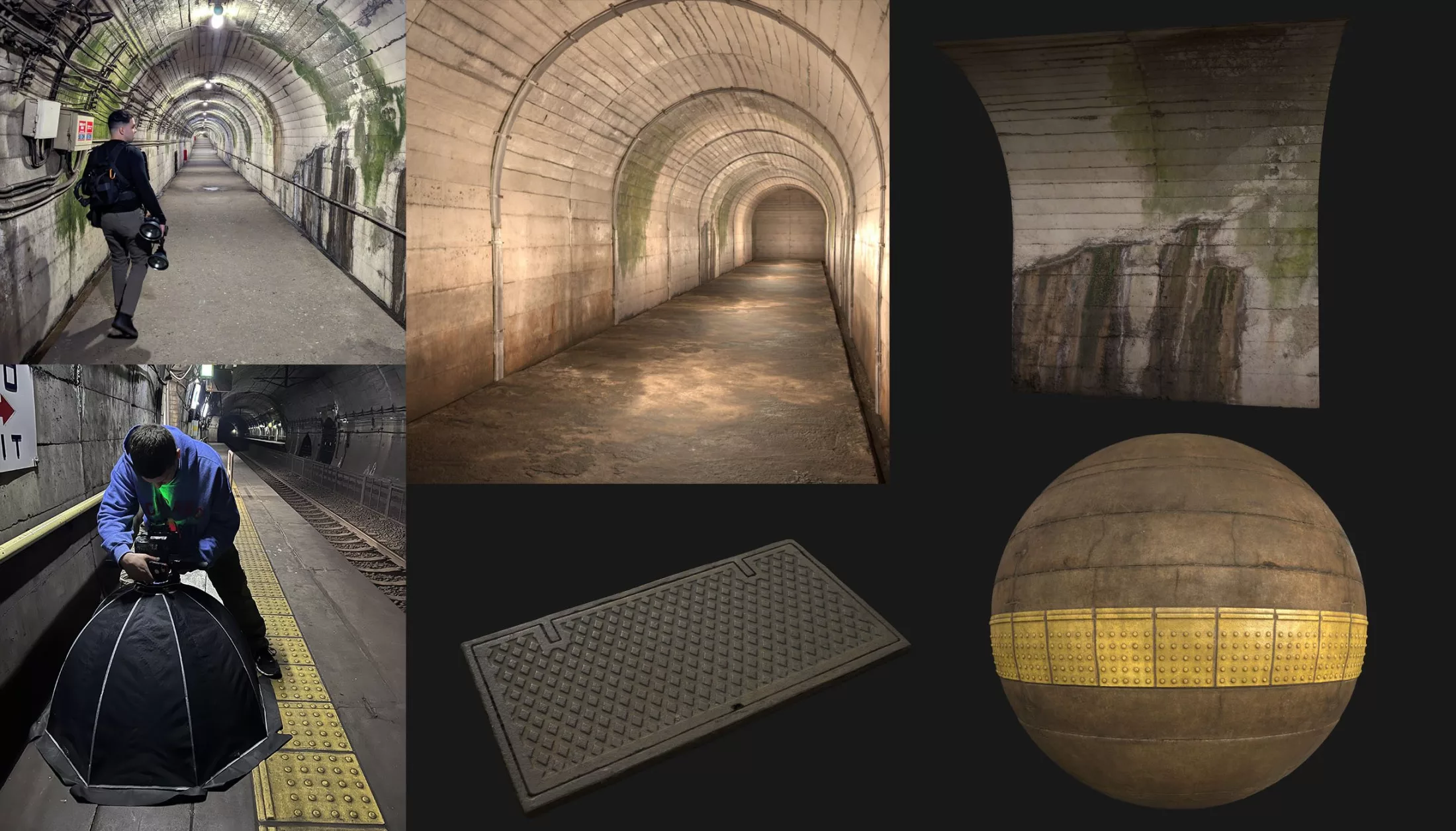
By the end of the Japan trip, the team had captured an enormous amount of material. The statistics from the mission include:
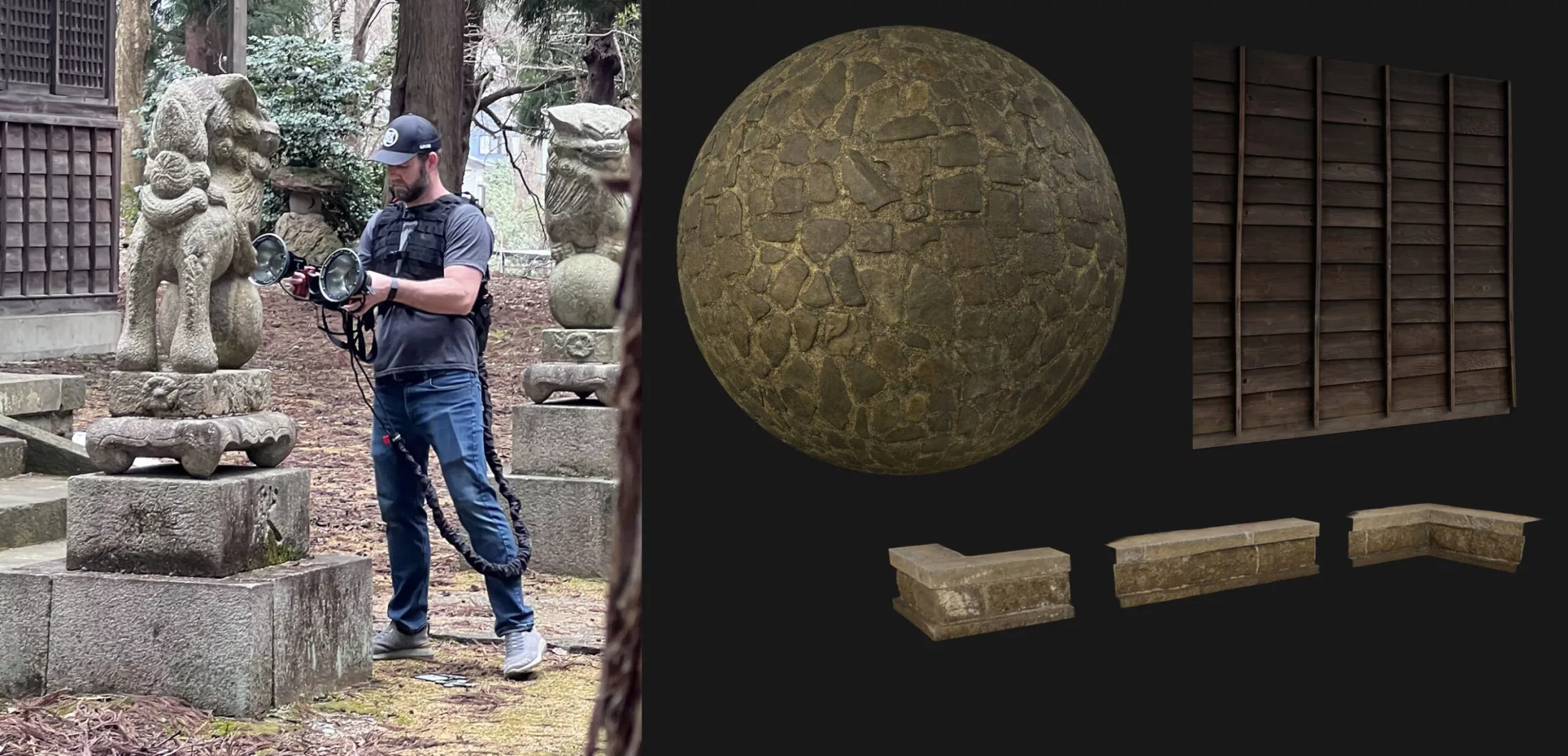
- Over 600 scans across 4 biomes
- More than 100 miles walked, often carrying around 20 pounds of scanning gear
- 5.6 TB of captured data
- 189,589 photos taken, not including additional reference photography
- Locations ranging from snow-covered mountains to underground train stations, bamboo forests, and hot city streets
- 3 broken pieces of gear: 2 cables and 1 plastic case
- 1 shattered phone glass back
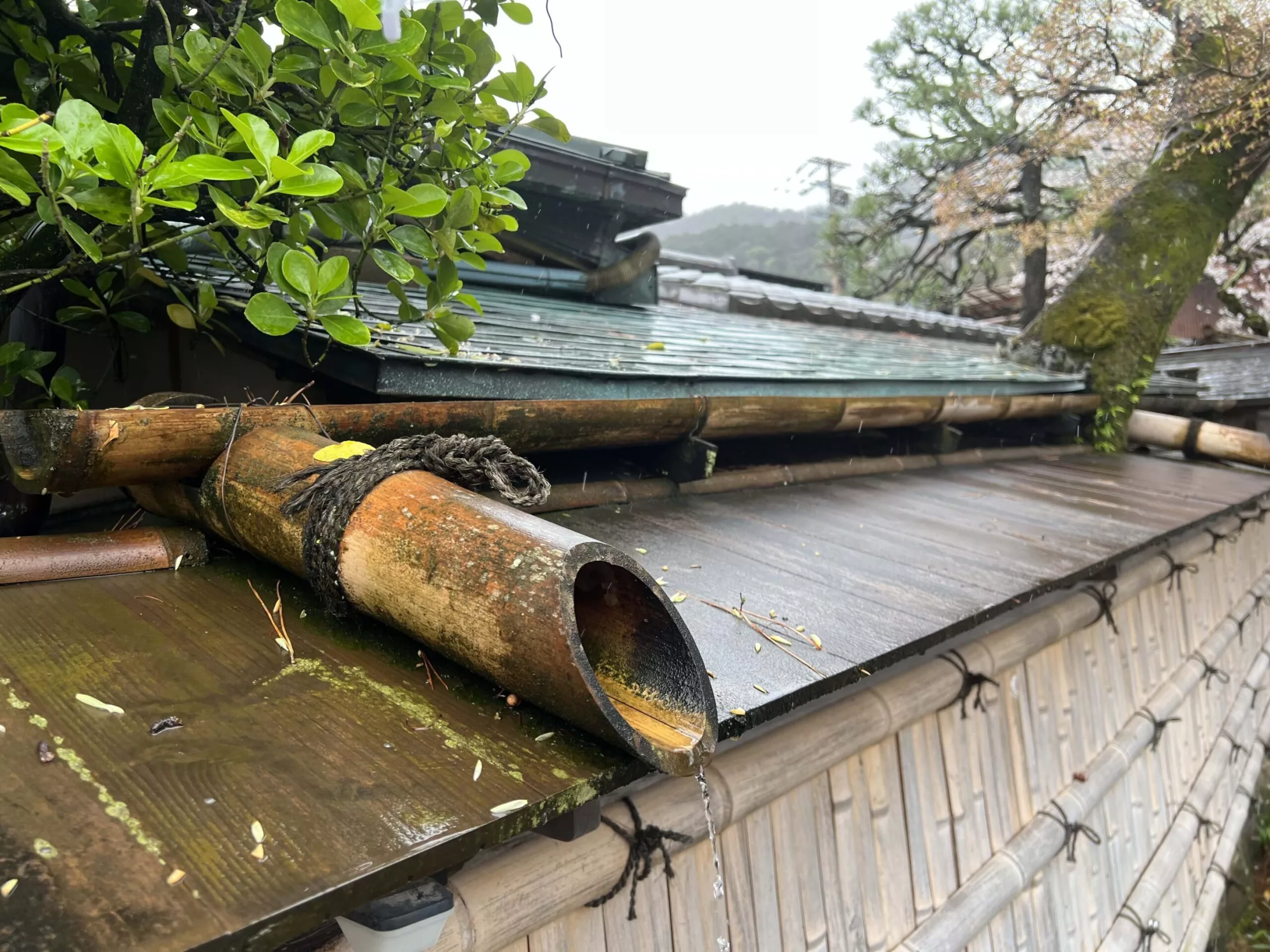
The trip to Japan provided assets and references that could not be captured elsewhere. More importantly, it gave the team a deeper understanding of the places, materials, and cultural details that help shape the vision for the game. Alongside other scanning trips around the world, this work helps Insomniac Games build Marvel’s Wolverine with greater specificity and respect for the real-world inspirations behind it.
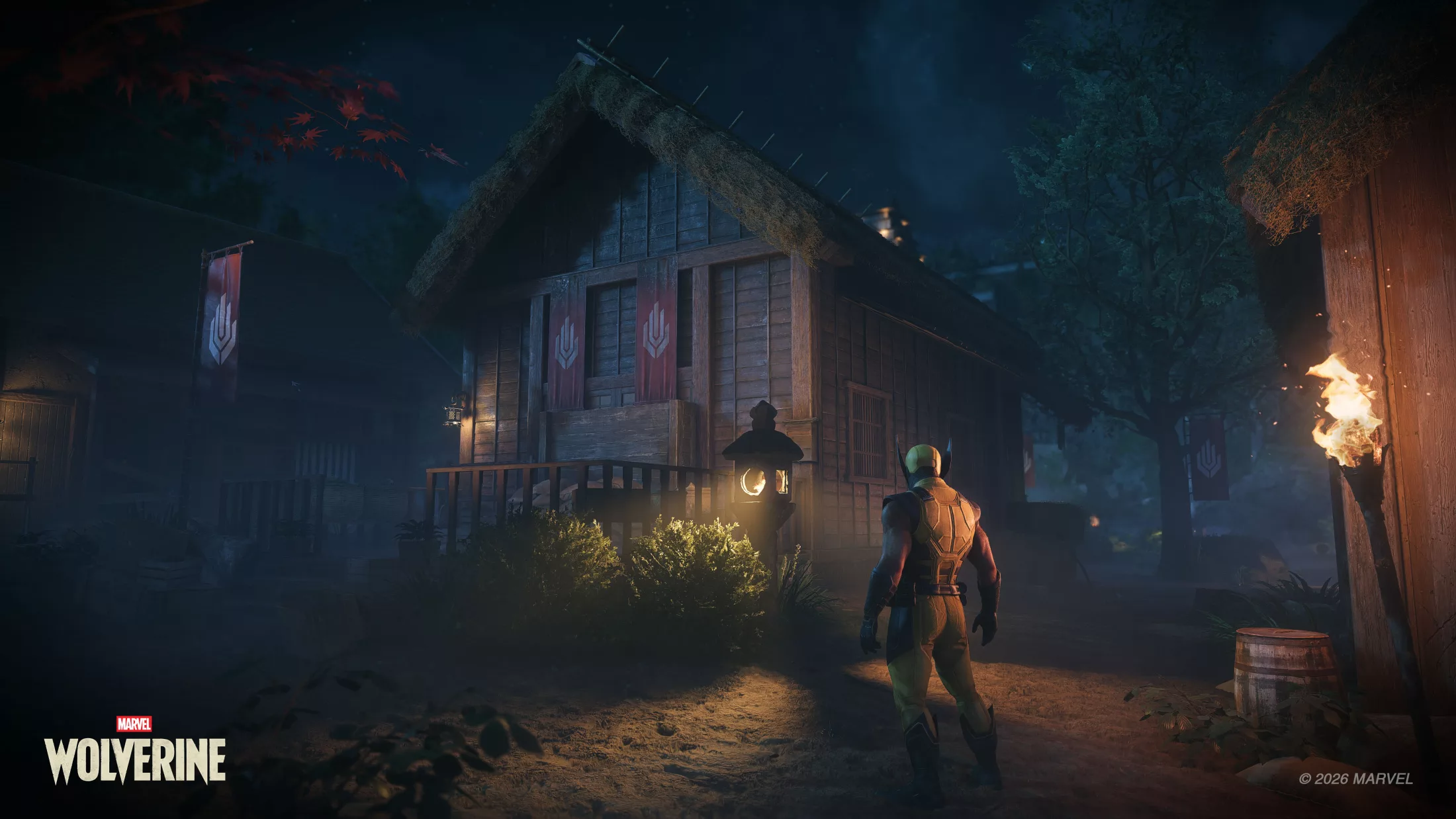
Marvel’s Wolverine is scheduled to launch on PS5 consoles on September 15, 2026.

Флешка
