
How Star Wars: Galactic Racer used 'distributed development' to stay sustainable
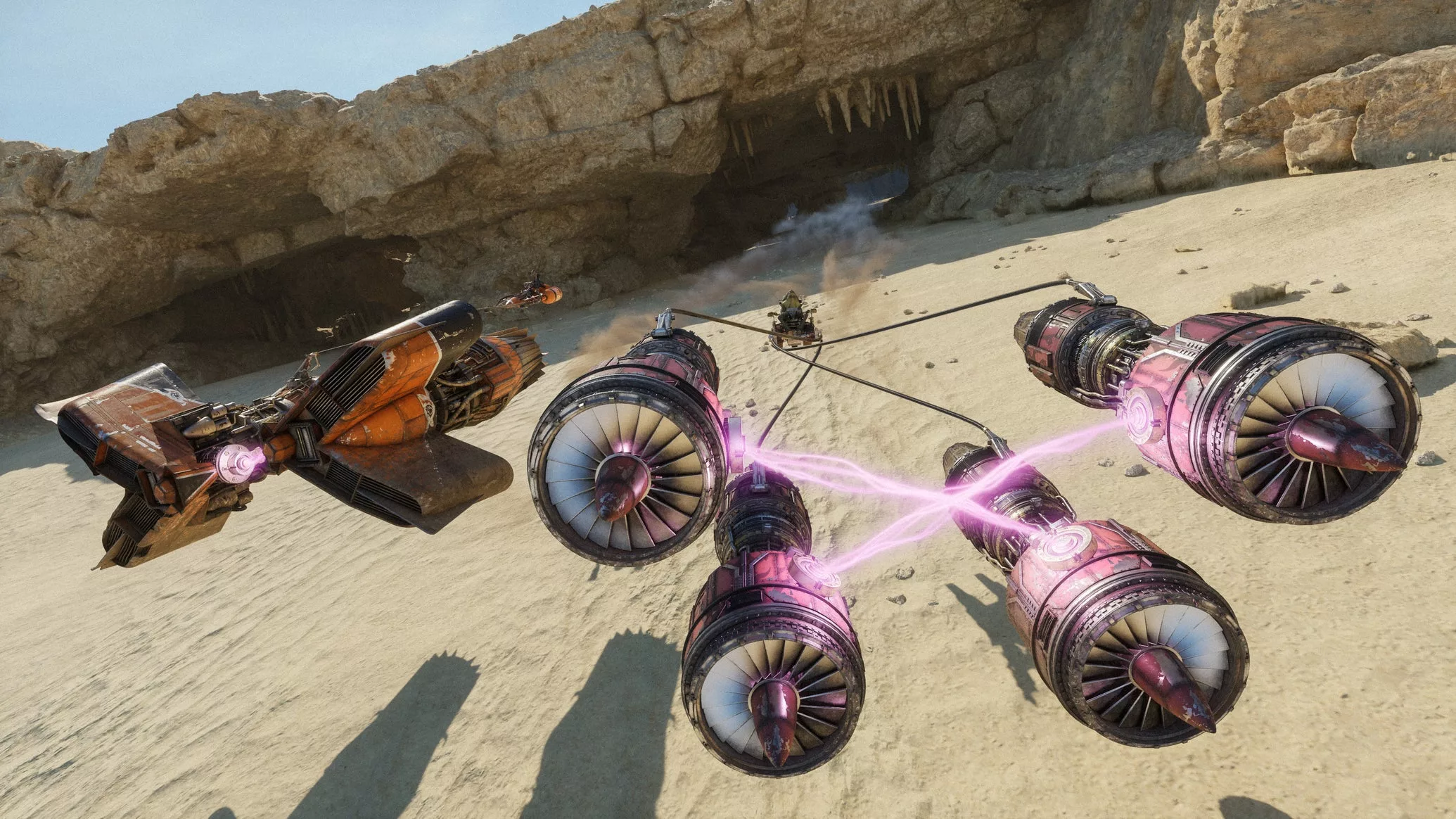
The critical success of Star Wars: Galactic Racer on PS5, boasting an 88 Metacritic score, has been a milestone for Fuse Games. For CEO Matt Webster, however, this achievement is less about luck and more about a deliberate departure from traditional AAA scaling. Instead of bloating their headcount, the studio embraced a "distributed development" model to maintain a lean, sustainable, and highly agile core team.
Scaling Without the Bloat
In an industry where giants like Rockstar employ thousands, Fuse Games opted for a different path. The core team for Star Wars: Galactic Racer typically averaged fewer than 75 people throughout development. Webster argues that keeping the core small is a strategic defense against the loss of institutional knowledge. He notes that while downsizing has a personal impact on staff, the real cost lies in the loss of expertise, which is far more expensive to retrieve once a team is disbanded.
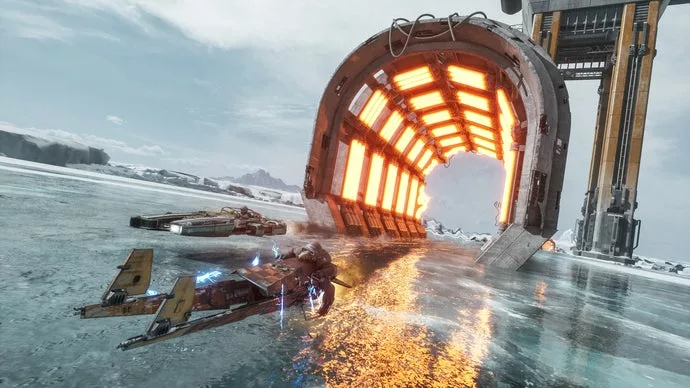
To achieve high-level output without a massive in-house staff, Fuse utilizes a three-tier distributed development model:
- Traditional Outsourcing: Tasking external providers in lower-cost locations with specific assets, such as art. Webster emphasizes that these should be treated as relationships rather than mere transactions to ensure better results.
- External Development: Assigning self-contained, complex features to outside studios. A prime example is the game's photo mode, which was handed over entirely to an external partner. Using Unreal Engine allows these modules to be developed independently and seamlessly integrated into the main build.
- Co-development: The most integrated tier. Partners, such as the UK-based Expression Games, function as an extension of the core team. They participate in daily stand-ups, use the studio's Slack channels, and work directly within the codebase.
Webster highlights that for co-development, time zone alignment is crucial. By working with UK-based studios, the team maintains the high-frequency communication necessary for complex, integrated development.
Sports in a Galaxy Far, Far Away
The decision to create a racing game within the Star Wars universe might seem unconventional, but it was rooted in the franchise's vastness. Drawing from his experience at Criterion working on Star Wars Battlefront, Webster observed that fans are deeply invested in the minutiae of the galaxy—from specific stormtrooper legions to diverse character archetypes. The goal was to translate the intensity of sports rivalry and ego into a space setting.
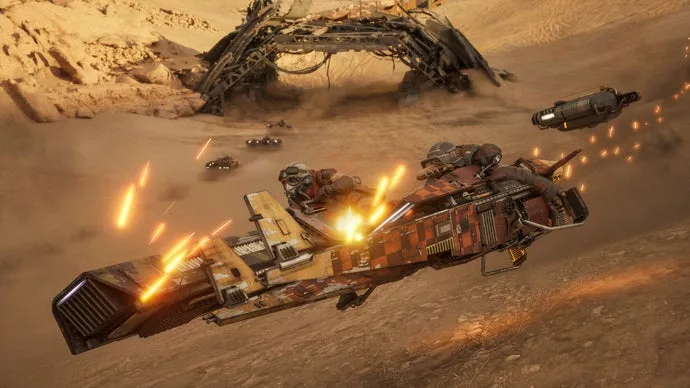
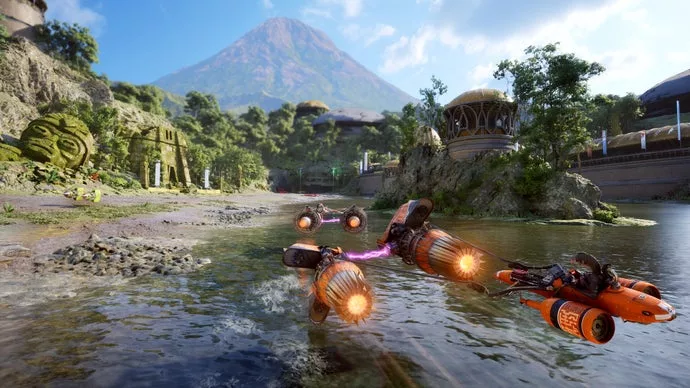
The primary inspiration for the game's narrative structure was the Netflix series Drive to Survive. Fuse Games aimed to capture the drama that exists off the track. In Star Wars: Galactic Racer, these
Дурик
