

GDDR7-Chips with 4 and 6 GB: More VRAM via Narrower Interfaces
The development of new 4GB and 6GB GDDR7 chips could allow GPUs with narrow memory buses to feature significantly higher VRAM capacities.
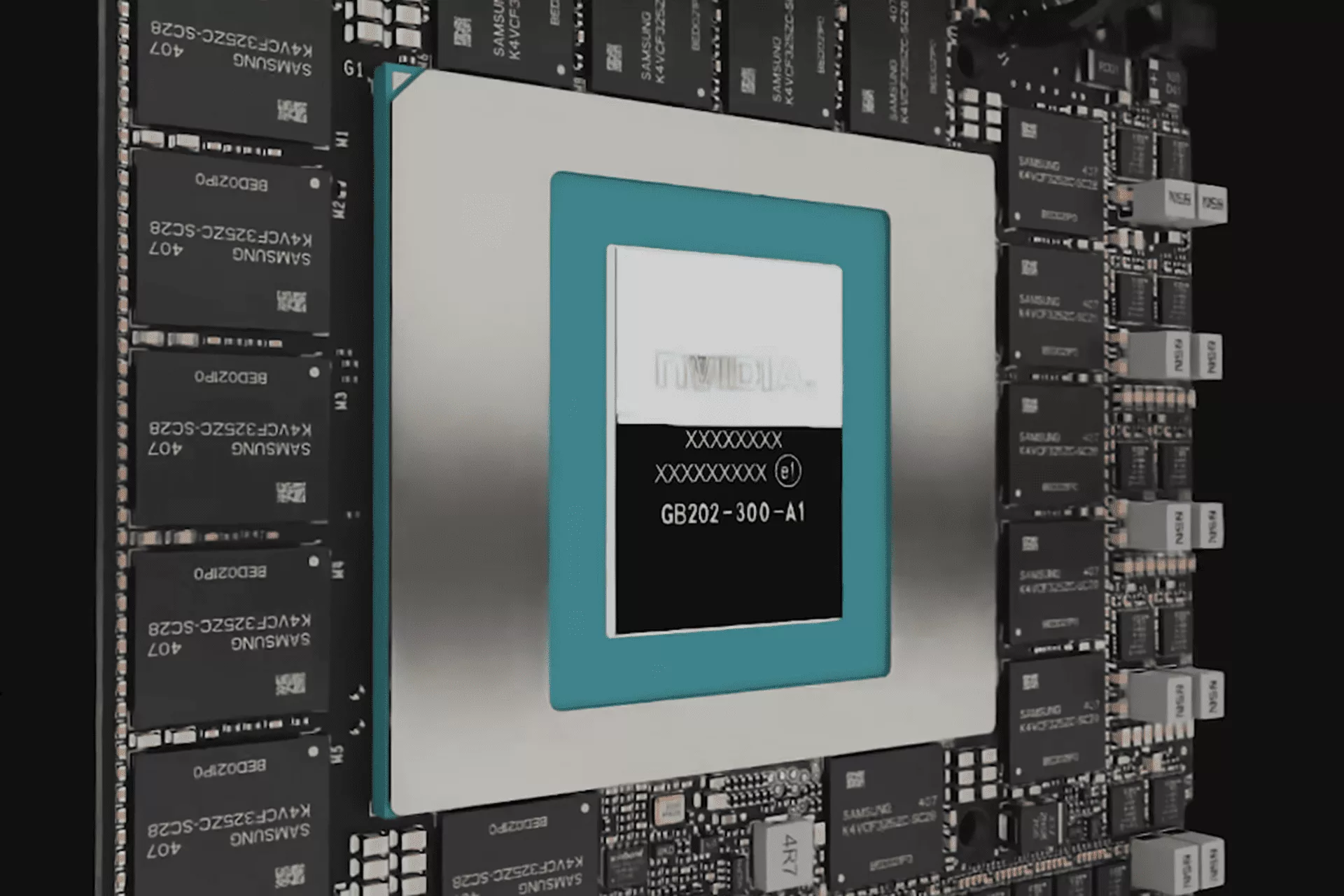
As the industry grapples with memory shortages and rising GPU prices, increasing VRAM capacity remains a priority. The emergence of GDDR7-Chips with 4 GB and 6 GB capacities could provide a solution, allowing even entry-level cards with narrow memory interfaces to offer much more video memory.
DRAM Stacking and Capacity Scaling
To achieve capacities of 3, 4, or 6 GB per single chip, manufacturers may rely on DRAM die stacking, a method similar to what is being implemented for 512 GB DDR5-RDIMM modules. This approach aims to significantly boost the total VRAM available on a graphics card without requiring a massive increase in the number of physical memory traces on the PCB.
The implications for different bus widths are substantial. On a 128-bit interface (utilizing 4 chips), 4 GB chips could enable a total of 16 GB of VRAM, while 6 GB chips could push that to 24 GB. For high-end enthusiasts, a 512-bit interface—like the one found on the GeForce RTX 5090—could theoretically support up to 96 GB of total memory if 6 GB chips are utilized.
Timeline for NVIDIA and AMD
While these advancements could be transformative, they are likely tied to long-term roadmaps. For NVIDIA, this technology might become relevant for the RTX 60-series, which is not expected before 2028. Similarly, AMD could adopt modern GDDR7 for its RDNA-5 architecture, though their next-generation graphics cards are also projected for a 2028 release.
Despite the potential for higher capacities, price remains a major concern. The complexity of manufacturing higher-density chips suggests that these upgrades might not lead to cheaper GPUs, but rather to higher-capacity hardware within the existing, high-priced market segments.
Гика
