Fable reboot had to look beyond Lionhead's trilogy as The Witcher 3 set a new RPG gold standard
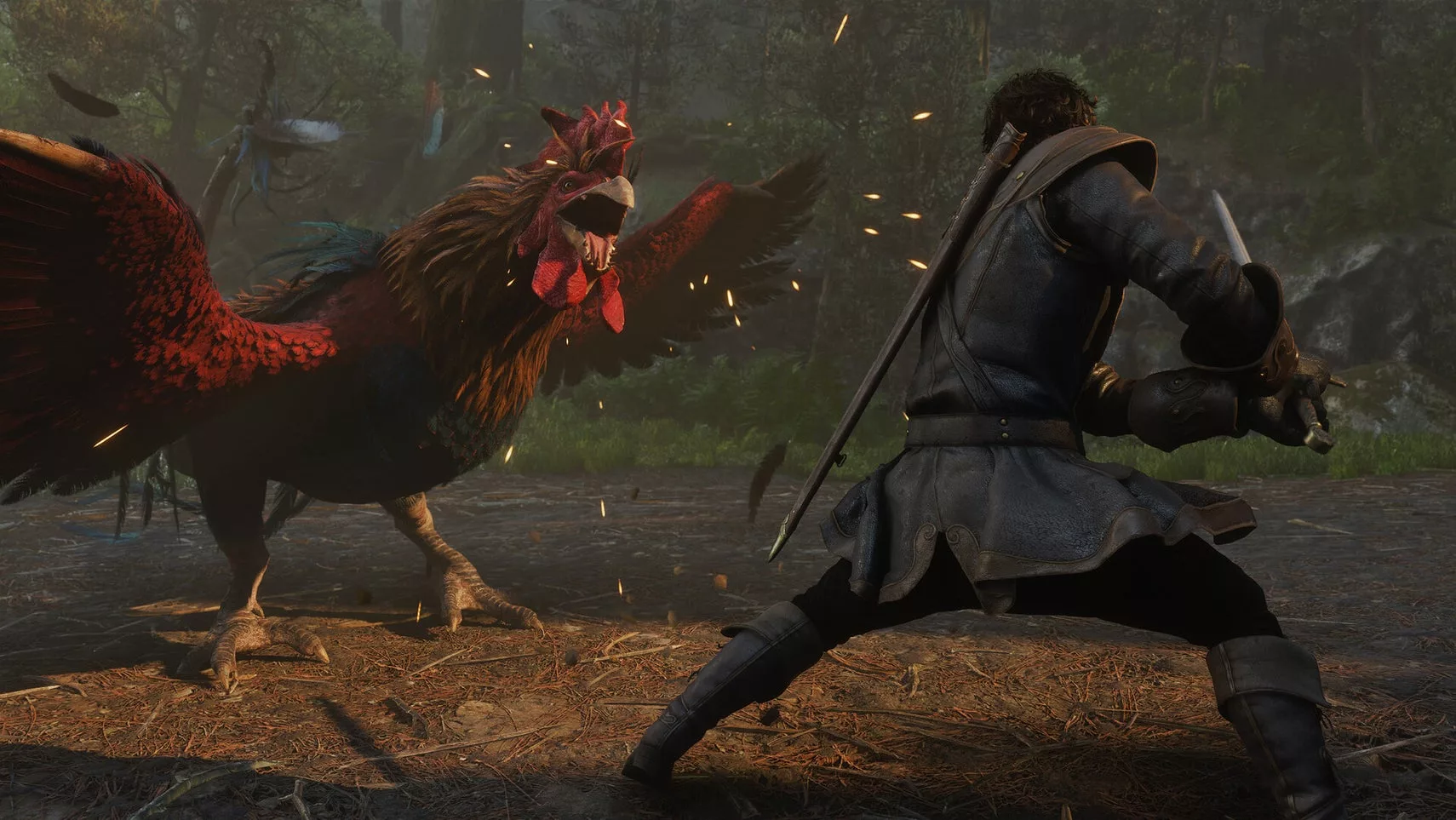
The upcoming Fable reboot is moving beyond the shadow of its predecessor's legacy. According to Playground Games founder and general manager Ralph Fulton, the studio couldn't rely exclusively on the original Lionhead RPG trilogy for inspiration because the industry landscape has shifted significantly, driven by titles that redefined the genre.
In a recent interview with GamesIndustry.biz, Fulton addressed the challenge of reviving a classic fantasy series for a modern audience. While technological advancements played a role, the evolution of player expectations proved to be a more significant factor. He noted that the release of The Witcher 3 in 2015 was a turning point for the genre.
Fulton stated that The Witcher 3 redefined the look of open-world action RPGs, effectively setting a "gold standard" for the industry. This shift was further compounded by the evolution of the Assassin's Creed franchise, which transitioned into a more modern, quasi-RPG iteration with titles like Origins, Odyssey, and Valhalla.
Because these high-profile releases continuously reset what players expect from big-budget, open-world RPGs, Playground Games had to look beyond the original Fable formula to ensure the reboot remained relevant in the current marketplace.
Preserving the essence of Fable
Despite the need to adapt to modern standards, Playground Games aims to retain the core elements that defined the Lionhead era. Fulton specifically highlighted the series' signature British wit and its fluid morality system as key pillars being carried over into the new project.
The developer also intends to lean into the spontaneous life simulation elements that distinguish Fable from its competitors. While other games may feature economic simulations, Fulton argues that Fable's integration of social and economic systems into the RPG genre is a unique characteristic that sets it apart.