Paradox's Afterworld features a wasteland band mechanic that scales social needs to a continent-wide level
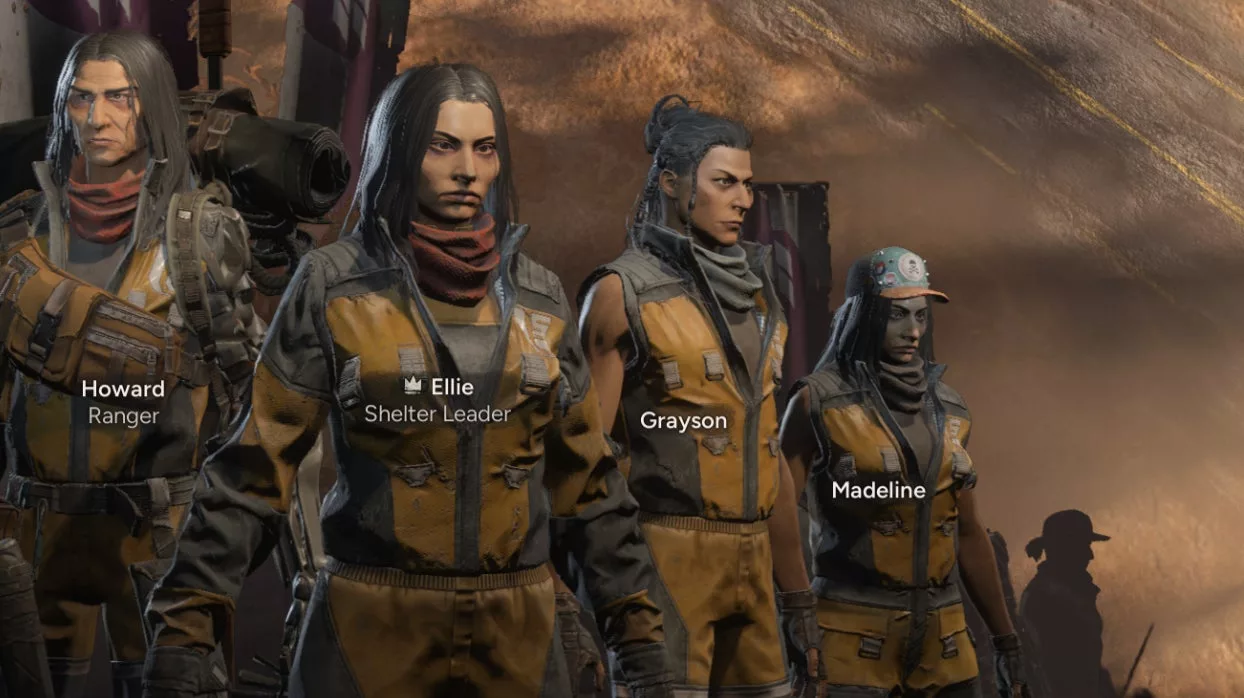
Paradox's post-apocalyptic grand strategy, Afterworld, is beginning to reveal the complex social fabric that will define its gameplay. Rather than commanding a single, monolithic civilization, players will instead assemble a diverse tribe by befriending, conquering, or assimilating various independent wasteland bands. This mechanic introduces a layer of granular social management that feels significantly more personal—and potentially more volatile—than traditional grand strategy titles.
According to a recent developer blog, the core of Afterworld's social system lies in managing these individual bands. Each group possesses its own set of needs that must be satisfied to maintain motivation and ensure they work toward the tribe's collective goals. While some needs are universal—such as shelter, nutrition, hydration, medicine, social standing, and security—others are highly specialized. These bespoke requirements are shaped by the band's specific origins and a social metric known as 'Custom'.
This system allows for extreme cultural diversity within a single tribe. A player might find themselves managing a group of strict vegetarians who excel at foraging, alongside a band of cannibals with a specific requirement for human flesh consumption. The developers have noted that the game does not explicitly forbid assimilating such diametrically opposed groups, suggesting that managing internal social friction will be a key part of the experience.
Dynamic Needs and Strategic Prioritization
The motivation of these bands is not static; it scales based on group size, level, and current game states. A band facing extreme hunger will prioritize nutrition above all else, while a group holding a position on the tribe's council might demand higher social standing. These shifting priorities create a dynamic landscape for the player. For instance, a famine might make food the primary concern, but the sudden threat of a 'dustland horror' beyond the borders could shift the entire group's focus toward security.
This complexity forces players to make difficult choices regarding which bands to prioritize. You cannot satisfy everyone at once; instead, you must decide which groups' needs are most critical to your tribe's current strategic objectives. This creates a narrative-driven management loop where systemic requirements and storytelling intersect.
The Carrot and the Stick: Coercion and Rebellion
One of the most intriguing, yet still iterative, aspects of the system is the ability to use force to maintain order. Players can station troops in settlements to 'dominate' certain bands. This tactic allows a player to bypass individual needs and rule through coercion—essentially using the 'stick' to manage some groups while using the 'carrot' for others. However, this comes with significant risks. Coerced bands are prone to rebellion the moment the threat of force is removed.
The developers are currently refining this aspect of the gameplay, aiming for a system that offers varying degrees of sustainability depending on the player's setup. This could lead to complex emergent gameplay scenarios, such as a player maintaining control over a large, rebellious faction by sabotaging the supply of sedatives used to keep them compliant, or facing a massive uprising if a rival tribe manages to disrupt that control.