
A Stunning OLED Screen, but Disappointing Performance: Asus ROG Xbox Ally X20 Review
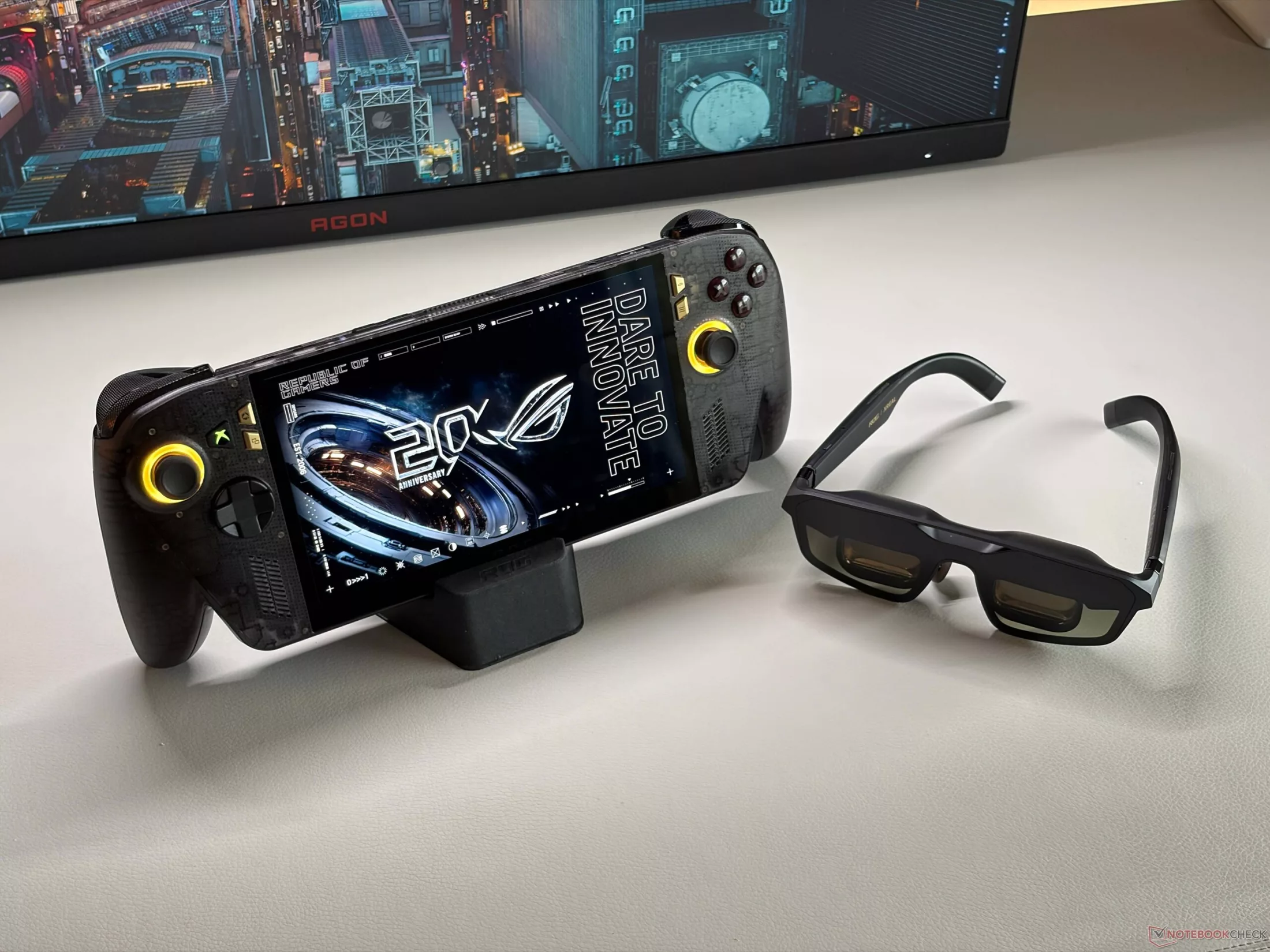
The new Asus ROG Xbox Ally X20 represents a significant step forward in build quality compared to its predecessor, yet it leaves a somewhat bittersweet impression. The physical upgrades—a semi-translucent chassis with golden accents and improved ergonomics—give it a distinctly premium feel. However, beneath this polished exterior, the hardware remains largely unchanged, preventing the device from truly competing with the high-performance benchmarks set by Intel's latest silicon.
A Visual Game Changer: The OLED Advantage
The standout feature of the Asus ROG Xbox Ally X20 is undoubtedly the new 7.4-inch OLED touchscreen. Featuring 120 Hz refresh rates and VRR (Variable Refresh Rate) support, this display transforms the handheld experience. Once you have experienced the deep blacks and vibrant colors of this panel, returning to standard IPS displays feels like a downgrade. The brightness is exceptional, peaking at over 600 nits in SDR and exceeding 1500 nits in HDR. Color accuracy is also top-tier, covering nearly 100% of both sRGB and Display P3 gamuts.
While the visual experience is stellar, there is a technical caveat: PWM (Pulse-Width Modulation) flickering was detected at 120 Hz. While the amplitude is low enough that it may not affect most users, those sensitive to screen flickering should be aware of it. On the positive side, the response times are incredibly fast, making it an excellent choice for fast-paced gaming.
Performance: Familiar Power in a New Shell
Where the device falters is in raw gaming performance. The Asus ROG Xbox Ally X20 relies on the existing AMD Ryzen Z2 Extreme (Zen 5) SoC. Consequently, gaming performance remains largely identical to last year's model. This puts the device at a disadvantage against competitors like the MSI Claw 8 EX AI+, which utilizes the Intel Arc G3 Extreme chip and delivers roughly 20–30% more performance in many titles.
However, the device is not without its strengths. It comes equipped with 24 GB of fast "LPDDR5x-8000" RAM and a 1 TB SSD. Connectivity has also seen an upgrade with the inclusion of a microSD-Express card reader, capable of speeds up to 800 MB/s. Ergonomically, the device is a triumph: the sticks have been upgraded to magnetic TMR technology for better precision, the buttons feel more tactile, and the addition of rubberized grips provides a much more secure hold.
Battery Life and Thermal Management
Surprisingly, the transition to a more demanding OLED panel has not compromised battery life. Depending on the power profile used, you can expect between 2 and 4 hours of gaming, matching the endurance of the previous model. Thermal management also remains impressive; the dual-fan system keeps the device quiet, with noise levels reaching 40 dB(A) in Turbo mode when plugged in, and a much quieter 34 dB(A) on battery. The chassis design effectively dissipates heat away from the palm rests, ensuring the device remains comfortable during extended sessions.
Verdict
The Asus ROG Xbox Ally X20 is a superb choice for users who prioritize display quality and premium build ergonomics. The stunning OLED screen and improved input methods make it a joy to use. However, if your primary goal is maximizing frame rates in the most demanding modern titles, the performance gap between the Ryzen Z2 Extreme and Intel's latest Arc-based solutions makes the competition a very compelling alternative.
Зануда
