

Apple A20 Pro impresses, but Apple falters in familiar areas
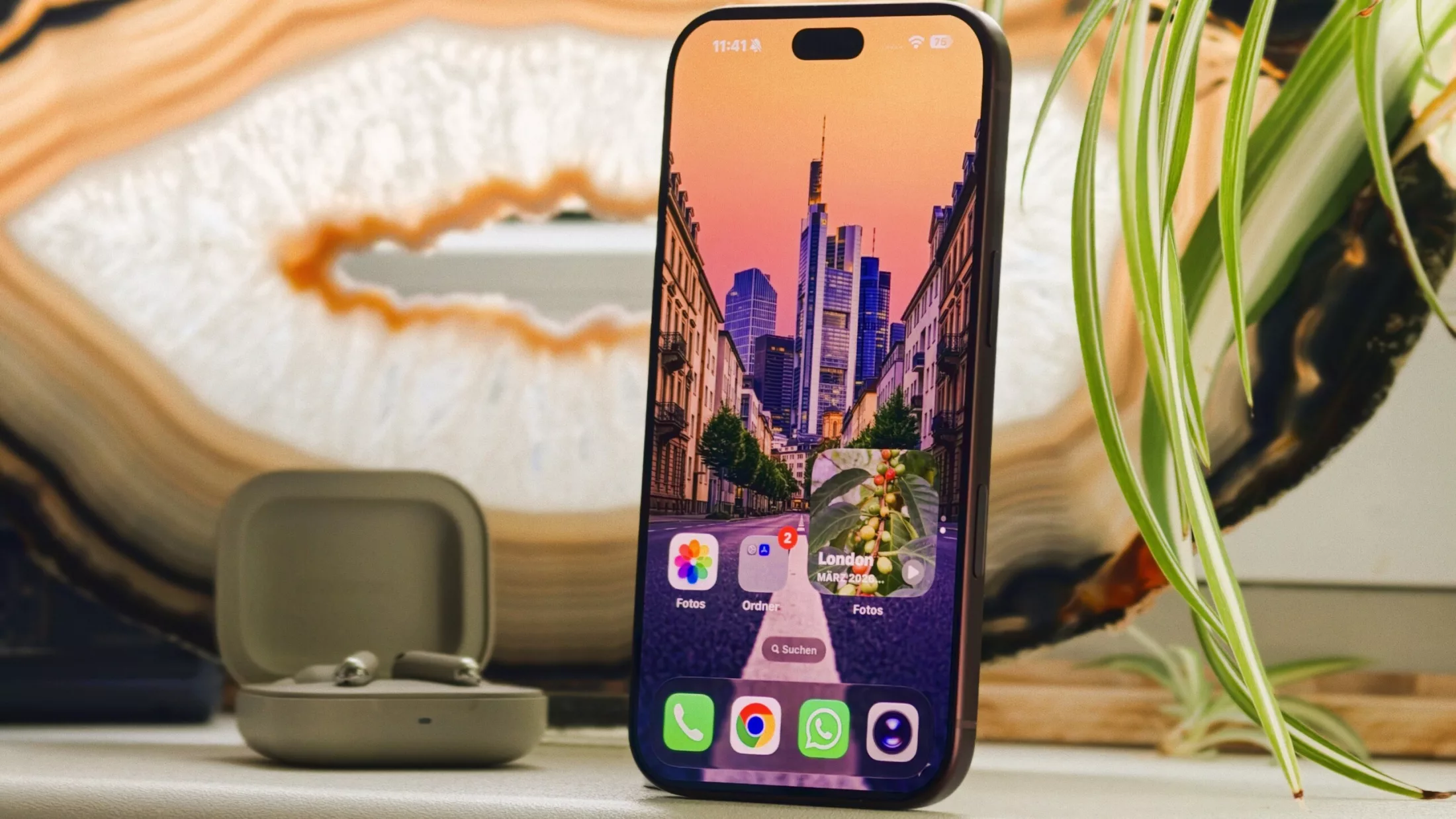
The new Apple iPhone 18 Pro is an ambitious flagship designed to pack maximum performance into a compact form factor. This year, Apple has made a significant leap with its first 2nm chip, the A20 Pro, which delivers massive gains in AI tasks and single-core performance. However, these technical achievements come with trade-offs: the new cooling system is less efficient than its predecessor, and the display's low PWM frequency remains a concern for sensitive users.
Next-Gen Power and AI Capabilities
At the heart of the device lies the Apple A20 Pro, the company's first 2nm processor. The architecture features two high-performance "Super Cores" based on Apple M6 running at up to 4.9 GHz, alongside four efficiency cores. In Geekbench 7.0 tests, the chip delivers staggering results, outperforming competitors like Qualcomm Snapdragon 8 Elite Gen 5 in single-core performance. The NPU is particularly noteworthy; with a 50% increase in memory bandwidth for AI applications, it significantly outclasses Qualcomm's solutions, making the device exceptionally ready for future AI-driven features in iOS 27.
The 7-core GPU, paired with 12 GB of RAM, ensures smooth performance, though in certain gaming scenarios, it may still trail behind the absolute top-tier offerings from Xiaomi or Samsung.
Cameras: Variable Aperture and Minor Flaws
The standout optical innovation is the main camera's variable aperture (f/1.48–f/4.0). This allows for physical control over depth of field, a feature previously reserved for specialized cameras. However, this hasn't proven to be a true game-changer, as many Android flagships have moved away from this technology. While the inclusion of ProRAW and Apple Reference Image is welcome, the 48 MP main sensor occasionally lacks sharpness at the edges of the frame. The ultra-wide and telephoto lenses also face limitations in low-light environments due to their relatively small (1/2.55") sensors.
Display and Ergonomics: Brightness vs. Eye Comfort
The OLED panel on the iPhone 18 Pro is exceptionally bright, reaching a peak of 3,000 cd/m², matching Apple's specifications. Color accuracy is excellent, and with response times as fast as 0.4 ms (Black-to-White), it is highly suitable for fast-paced gaming. However, there is a significant drawback for users sensitive to screen flickering: the PWM (Pulse-Width Modulation) frequency drops to just 60 Hz at minimum brightness, with a modulation depth of around 12%. This is a stark contrast to many Chinese flagships that utilize frequencies exceeding 4,320 Hz to reduce eye strain.
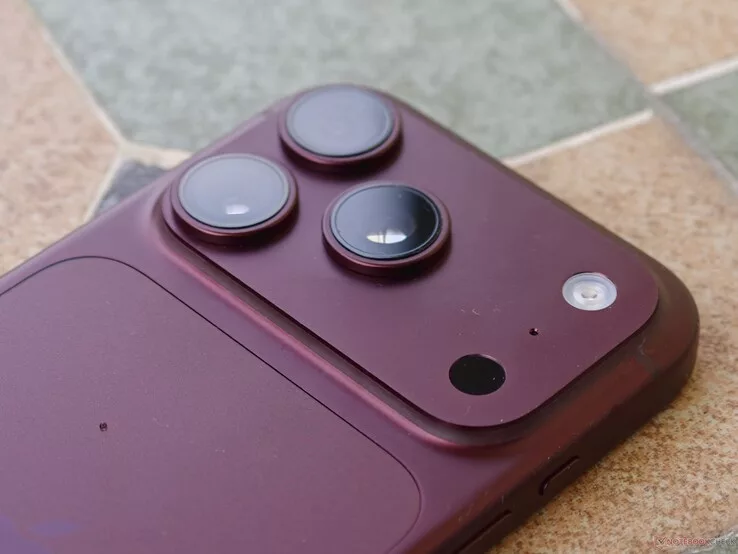
In terms of design, the device is nearly identical to the iPhone 17 Pro, distinguished only by exclusive colors like Glacier (light blue) and Burgundy (dark red). The chassis is premium, IP68-rated, and features both the Action button and the new Camera button.
Battery and Connectivity
Despite the efficient 2nm architecture, battery life in web surfing (approx. 19h 47min) is surprisingly shorter than the iPhone 17 Pro. This may be attributed to the increased power demands of the new components and the limitations of the current cooling design. On the connectivity front, Apple is transitioning toward its own Apple C2 cellular modem, which the company claims is more efficient than Qualcomm's alternatives. Support for Wi-Fi 7 and Bluetooth 6.0 ensures top-tier wireless performance.
Pricing starts at US$ 1,199 for the 256 GB model, while the high-end 2 TB version is priced at a substantial US$ 2,399.
Гика
