
AMD Zen 6: More cores, larger L3 cache pools, and a significant IPC leap
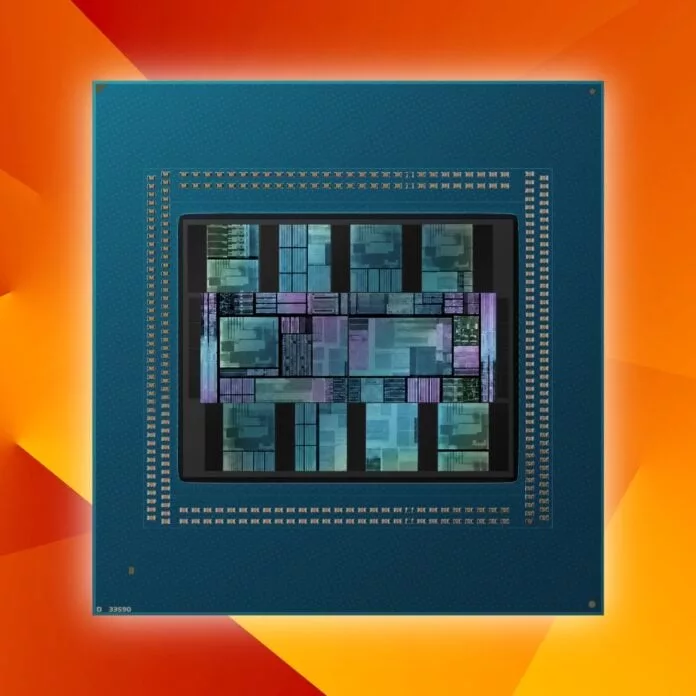
AMD is officially moving into the Zen 6 era with the launch of its 6th-gen Epyc server lineup in Las Vegas. While the enterprise rollout is the immediate focus, the technical details revealed during the presentation offer a massive glimpse into what the upcoming desktop Ryzen processors—codenamed Olympic Ridge—might look like when they arrive in 2027.
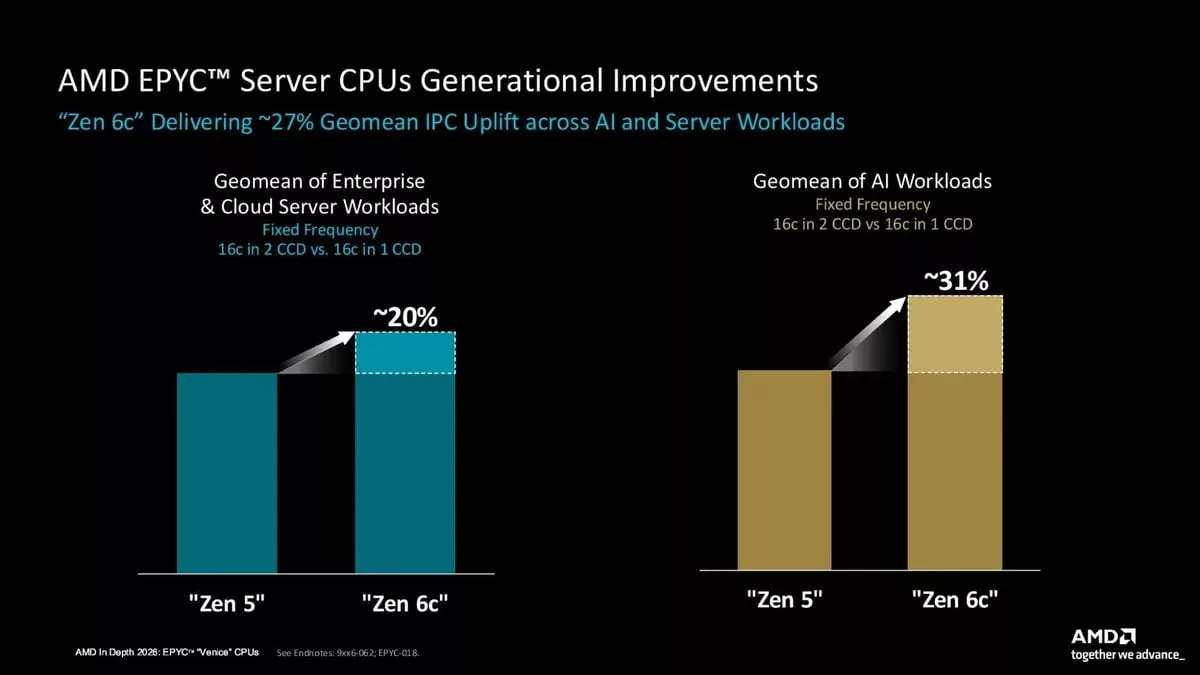
The most striking takeaway from the presentation is the claimed performance jump. AMD reports an average geometric mean IPC (instructions per clock) improvement of 27% over Zen 5. This figure is derived from two specific metrics: a 20% boost in enterprise and server workloads and a 31% increase in AI-related performance. However, there is a technical caveat to keep in mind: this 27% IPC rise is measured by comparing Zen 6 to Zen 6c, rather than the standard Zen 5. While both architectures were tested using 16 cores, we still lack direct, side-by-side IPC comparisons between the standard Zen 6 and Zen 5 cores.
Expanding the Core Count and Cache Structure
The architecture introduces significant changes to the Core Complex Die (CCD) density. Zen 6 CCDs can now house up to 12 cores, representing a 50% increase over the Zen 5 design. In the high-density Zen 6c variant, this number climbs to 32 cores per CCD. For desktop users, this suggests a potential flagship Ryzen processor featuring 24 cores and 48 threads, a massive leap in multi-threaded capability. There is also speculation regarding the mid-range: Ryzen 7 models might move to 12 cores, while Ryzen 5 could see an increase to eight cores.
Cache management is also evolving. Zen 6 maintains the 4MB of L3 cache per core seen in Zen 5, but the increased core density means the total shared L3 pool per CCD will grow to 48MB. The Zen 6c variant is even more aggressive, maintaining the same cache-per-core ratio but providing a massive 128MB L3 pool per CCD due to the higher core count.
Clock Speeds and Future Outlook
AMD also noted a 300MHz clock speed uplift in Zen 6 Epyc processors compared to the previous generation. While the Epyc chips reach a maximum frequency of 5.3GHz, it remains to be seen how much of this headroom will translate to consumer Ryzen chips. If the uplift is proportional, we could see the first Ryzen processors approaching the 6GHz milestone out of the box. Detailed information regarding the consumer 'Olympic Ridge' implementation is expected around 2027, with CES being a likely window for a formal announcement.
Гика
