
AMD’s Radeon RX 9050 4GB: How Memory Constraints Kill Performance
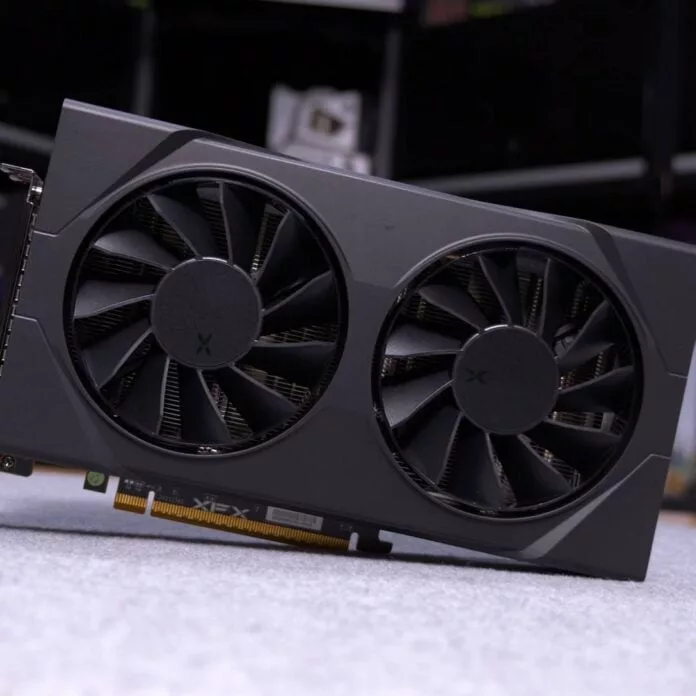
The release of the new Radeon RX 9050 4GB OEM-only card from AMD highlights a growing frustration for budget-conscious gamers. Despite sharing the same silicon as its more capable counterpart, the decision to slash memory specifications has created a massive performance gap that is hard to ignore.
The Cost of a Narrow Bus
Recent testing by Hardware Unboxed reveals a staggering disparity between the different configurations of the same GPU. The Radeon RX 9050 4GB suffers a 27% FPS deficit compared to the 8GB variant. Viewed from the other side, the 8GB model is 37% faster than the 4GB version. This performance delta persists even on modern systems equipped with PCIe 5.0 and DDR5 memory, which attempt to mitigate the impact of memory starvation.
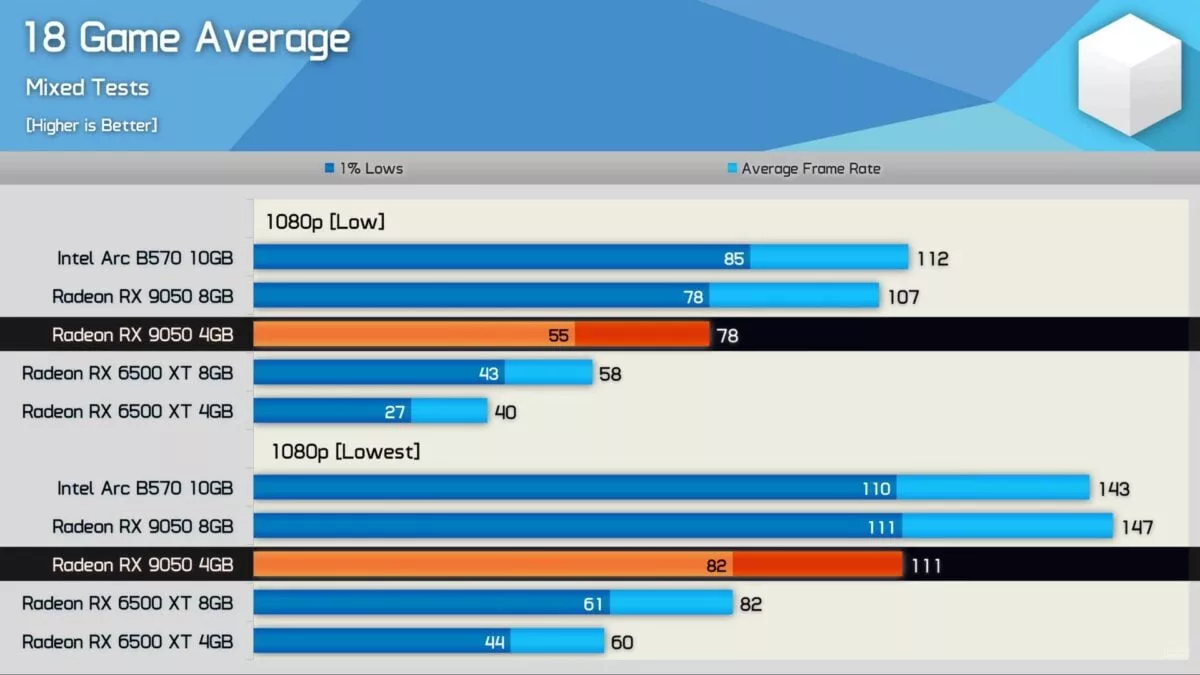
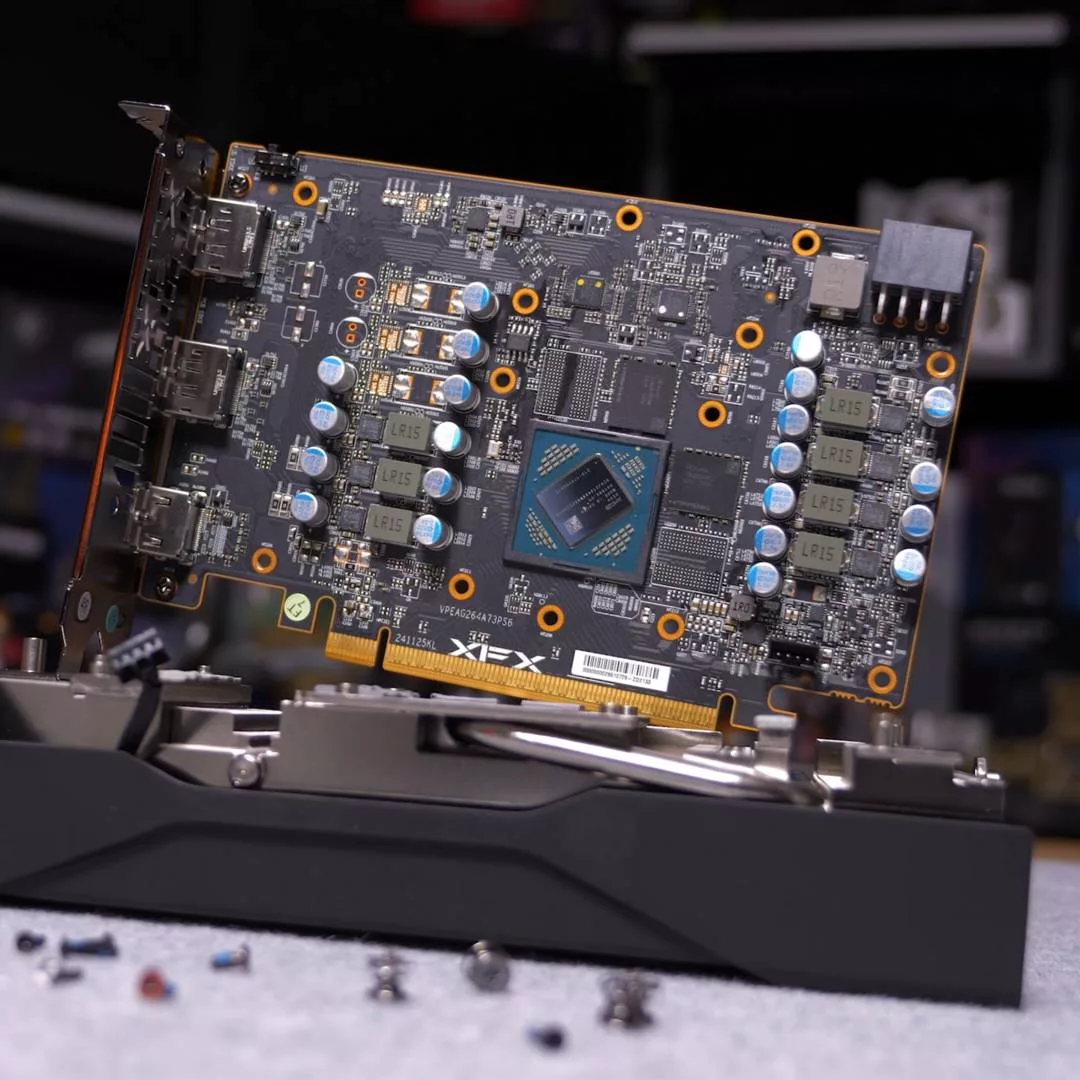
The culprit is a drastic reduction in memory bandwidth. AMD has halved the bandwidth from 288GB/s to 144GB/s by cutting the bus width from 128 bits to 64 bits. Furthermore, the Infinity Cache has been reduced to just 16MB on this specific model. In an era where 8GB of VRAM is considered the bare minimum for modern gaming, arriving at the market with only 4GB is a significant step backward.
The Bandwidth Bottleneck
A common misconception is that lowering texture settings can save a low-VRAM card. However, testing shows this is not a universal solution. In Rainbow Six Siege, the card experienced a 38% performance drop even when using only 2GB of VRAM out of the available 4GB. This confirms that the bottleneck is not just the capacity of the memory pool, but the speed at which data can be moved through the narrow 64-bit bus.
Market Confusion and Competition
Beyond the technical shortcomings, there is a branding issue. By selling two cards with nearly identical names but vastly different performance levels, AMD risks misleading inexperienced buyers or parents who might expect the performance seen in reviews of the 8GB model. A more distinct naming convention, such as Radeon RX 9040, might have avoided this confusion.
When looking at the competitive landscape, the Radeon RX 9050 4GB faces tough opposition. In a system where the GPU accounts for roughly $250, the Intel Arc B570 10GB emerges as a superior value proposition. The Intel offering actually outperformed the 8GB Radeon RX 9050 by approximately 5%, making it a much more compelling choice for users looking for maximum performance per dollar.
Зануда
